with the release of elden ring: nightreign, the elden ring lore-junkie fanbase was faced with a somewhat vexing situation: how do we know if this game is “canon”? the greatest minds of reddit (lol) were forced to argue for and against the inclusion of the game’s contents into the known understanding of elden ring’s “lore” with the deadly serious gravitas of biblical scholarship. this may seem strange to outside observers who have better things to do than argue about the plot of a video game designed to drive you clinically insane. but for some people, arguing is a hobby. and so here i am.
many, including myself at first, were reluctant to take a rogue-like side game without direct oversight from fromsoft director hidetaka miyazaki seriously. the game drags in bosses from the dark souls catalog for variety’s sake, so on a gameplay mechanic level, the concern for canon was chucked out the window from the get-go in favor of making the game more fun (unquestionably the more important variable to focus on). i had assumed nightreign was going to be a nice little junk food snack compared to the massive mythology of elden ring and in many ways it is; there are little nods to the fan base hidden here and there, including one seemingly deliberately provocative lore drop for dark souls for no reason other than to kick a hornet’s nest1 (and its pretty funny in my opinion). but it also has something i wasn’t expecting at all: answers to questions no one was really asking but me.
i’ve been thinking about what nightreign has to offer when it comes to the story of elden ring. i am going to attempt to explore the idea of “the night” using the information present in nightreign and in elden ring, starting with a very quick overview of the events of nightreign and why it could, arguably, be “canon”.
a short history of the lands between
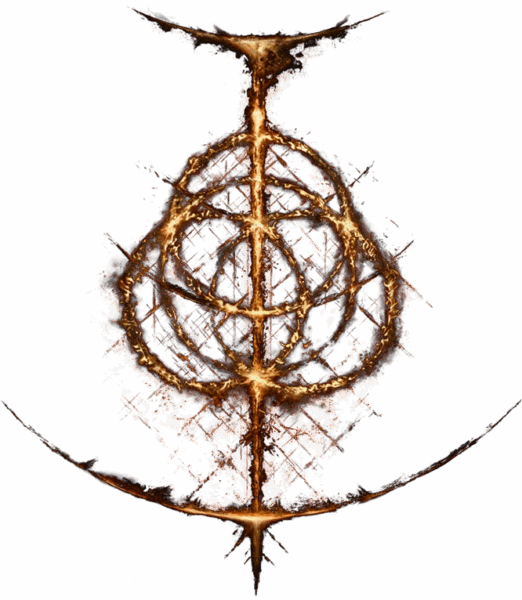 [leaning over to my date] that’s the elden ring.
the golden lineage
in the beginning, there was everything and nothing. this was known as “The One Great”. then, The One Great fractured (in real life, this event was known as “the big bang”). and with fractures came birth, and souls, and The Greater Will. but The Greater Will made a mistake.
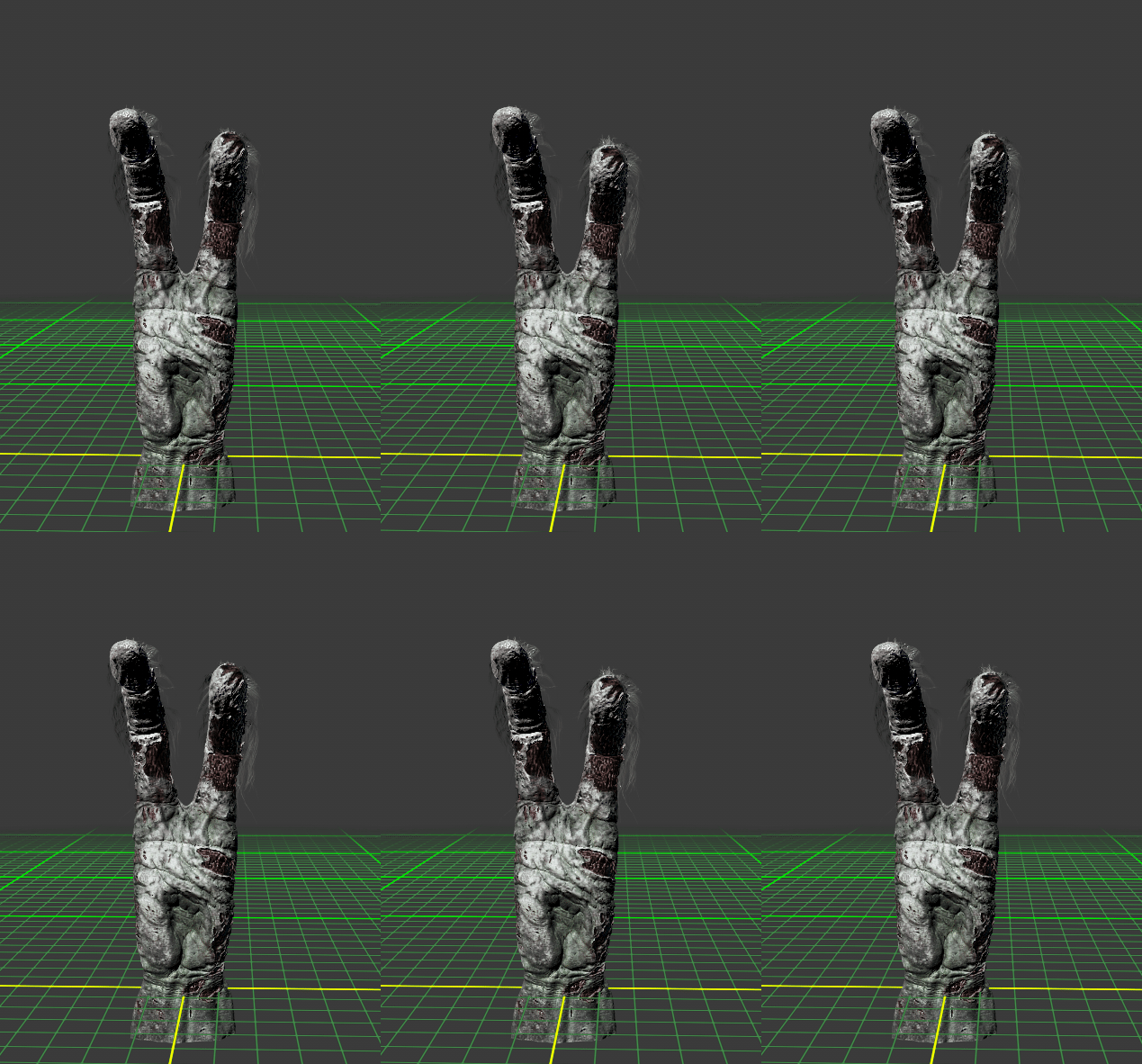
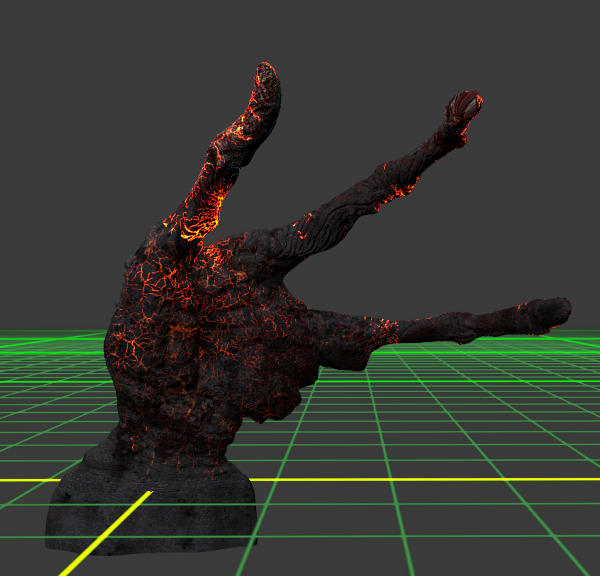
what this mistake is is left up for debate, but here is what i consider to be my extremely reasonable deduction: the mistake was to fragment itself further in order to commit the #1 sin present in every fromsoft game: avoiding death2. The Greater Will’s current envoys are the two fingers, who represent order and weaponize light and shadow to maintain life at all costs. but there exists a three fingers, and the three fingers are the harbingers of chaos through the use of the all-consuming “frenzied flame“. taken together, these fingers would form symbolically (not literally; as in they are not LITERALLY from the same hand) one complete hand and one complete existence. The Greater Will defied the natural order of the universe by removing the inevitability of its own death. as an evangelist of the three fingers informs us: “Torment, despair, affliction. Every sin, every curse. Every one, born of the mistake. And so, what was borrowed must be returned. Melt it all away, with the yellow chaos [ed note: frenzied] flame. Until all is One again“. this is one potential solution/outcome to the many problems facing the lands between: to be melted away by a lord of the frenzied flame in order to restore the original form of The One Great. like scrap metal, all of reality would be melted down into one all encompassing slurry containing all potential life and matter. this source of primordial life is known as The Crucible and it was once considered divine. however, by the time elden ring takes place, it has become maligned and taboo.
those who come in close contact with The Crucible (its not clear how one does this, but physical proximity to the ruins of rauh, arguably its point of origin, can trigger it) will take on a reddish hue and begin to grow features not typically associated with their species; the most common expression of crucible contact is horns, but it can also result in wings, tails, knots, scales, and even second heads/faces. horned humans known as “the hornsent” considered themselves to be a “chosen people” and began to subjugate those without. in particular, the hornless shaman3 people were flayed in order to take advantage of their unique flesh which “was said to meld harmoniously with others”. they used this literal connective tissue to build enir-ilim, a magical floating tower stretching to the heavens using corpses as bricks and mortar. at the very top of enir-ilim is the gate of divinity, where the hornsent hoped to usher forth a new god.
a shaman woman known as marika rose to power after taking part in the horrific hornsent ritual at the gate of divinity, imbuing her with the power of eternal gold. much like gold in real life, the gold of elden ring originated from space and arrived on a “shooting star” (asteroid). the stars of elden ring contain “ancient life” and the star that carried gold also carried the elden beast, an alien life form. aided by the beast and her “elden lord”, godfrey, marika began a campaign of conquest that started with the near complete genocide of the fire giants of the mountains. the mere existence of the flame god of the giants (a god of divine smithing and The Crucible [and the sun?]) threatened the hegemony of the bountiful and shining symbol of marika’s reign: the erdtree. while the flame was not eliminated, it was contained.
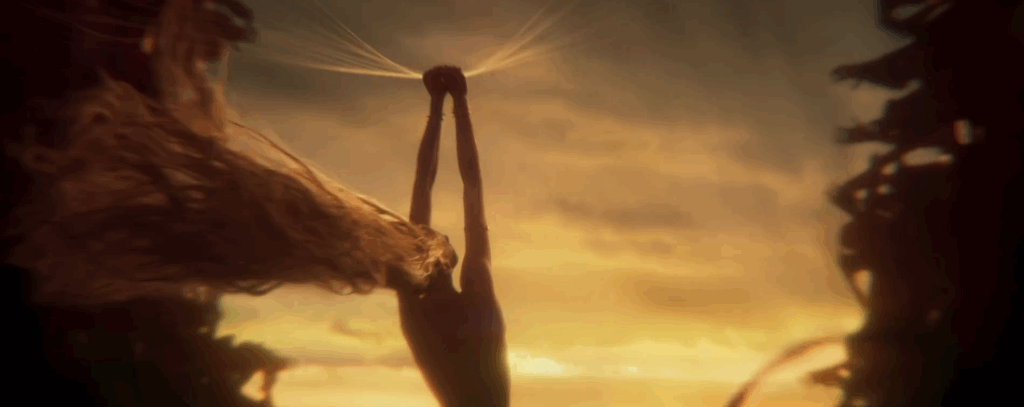 marika does…something…at the gates of divinity.

however, the giants had allies; astrologers who traveled to the mountains to study the stars considered the giants to be their neighbors. so, the carian royal family of liurnia (whose magic traditions and study of the stars was based on the work of the astrologers) went to war with marika.
but where did the carian royal family come from?
the silver lineage
let’s rewind the clock by a lot. elden ring’s history begins in what comes to be known as the “scadulands” or lands of shadow. this is where marika’s former home is located, where the elden beast’s star landed, where “outer gods” (forces not unlike The Greater Will) were first encountered, where The Crucible flourished, and where mysterious stone coffins once floated to shore. in the scadulands, “all manners of death wash up […] only to be suppressed” and true to this promise, there are a lot of weird undead types running around here. for example, the stone coffins that floated to the cerulean coast contained living, “bruise-colored” ooze described as the remains of “impure lives” (strongly implied by the consistent presence of certain flowers found on the ships to have once been warriors). this mysterious goo appears to have become the basis of many forms of artificial life in the lands between: putrescence knight’s missing legs appear to indicate lineage between the slime and the generations of equally impure albinaurics and the congealed putrescence item bears shocking resemblance to the silver tear husk, the basis of artificial life in the underground eternal cities of the silver-aligned nox people.
but where did it come from?
we just don’t know. we only know that they/it came from outside the lands between. but we can use context clues to interpret two basic and reasonable possibilities:
- given the plethora (and i do mean plethora) of biblical imagery and themes in elden ring, it’s not unreasonable to assume that the giant stone arks were, much like noah’s ark, escaping some kind of life-ending calamity.
- stone coffins exist in the base game, albeit in a different shape and size4. they are used to transport you from one place to another. the locations of these smaller coffins and their architecture suggest that the ones used by the player to move between areas are from the same ancient era as the giant stone coffins.
 a floating coffin, rising on a trail of light

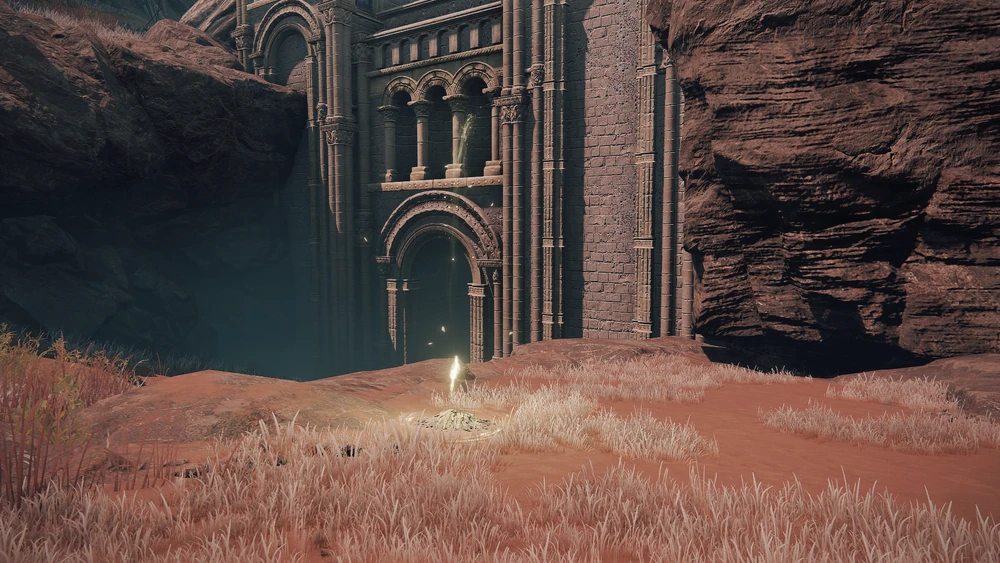
as seen in the DLC, the stone coffins can be found both above and under the ground. thus its reasonable to assume that this was the splitting point of the “seldom born” numen race. those above ground became marika’s golden shaman people and those below became the silver, dark-skinned nox (this split is not unlike how elves are handled in the fantasy fiction that inspired elden ring; there is often a dichotomy between the elves who live in nature and those who lurk in the dark). the nox, however, had at least a few strongholds above ground, the most prominent being ordina, liturgical town, and sellia, town of sorcery. the unique architecture of these locations are specific to nox culture, especially (but not limited to) the existence of a nox-exclusive “chair-crypt” in sellia.
|
|
|
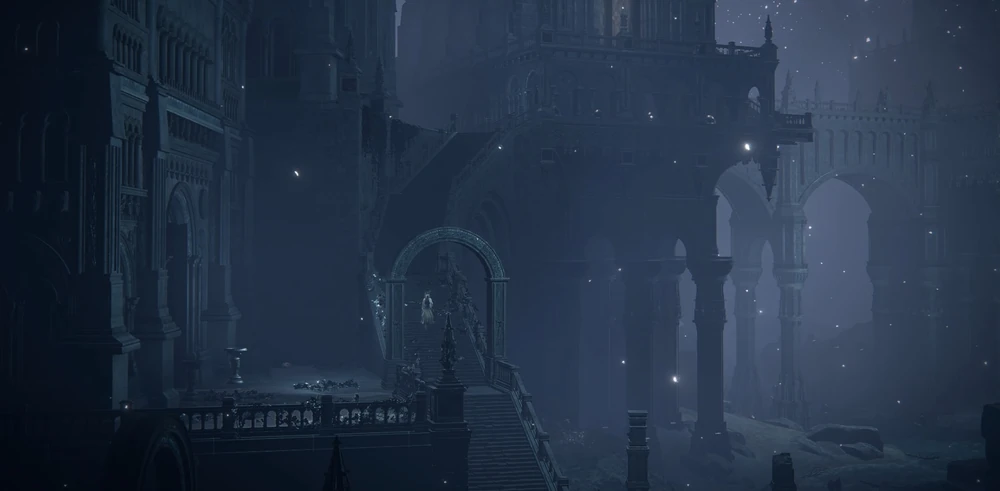
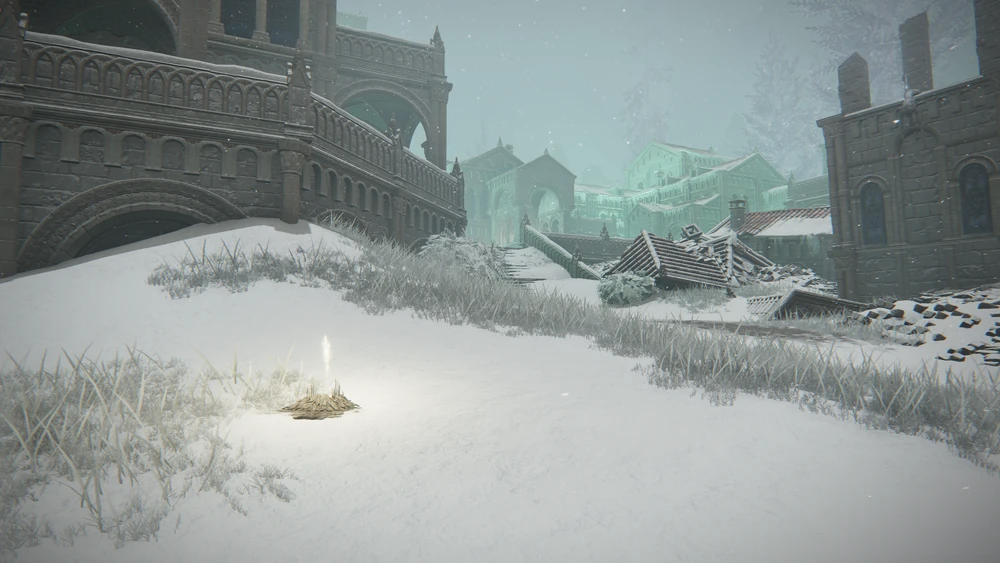
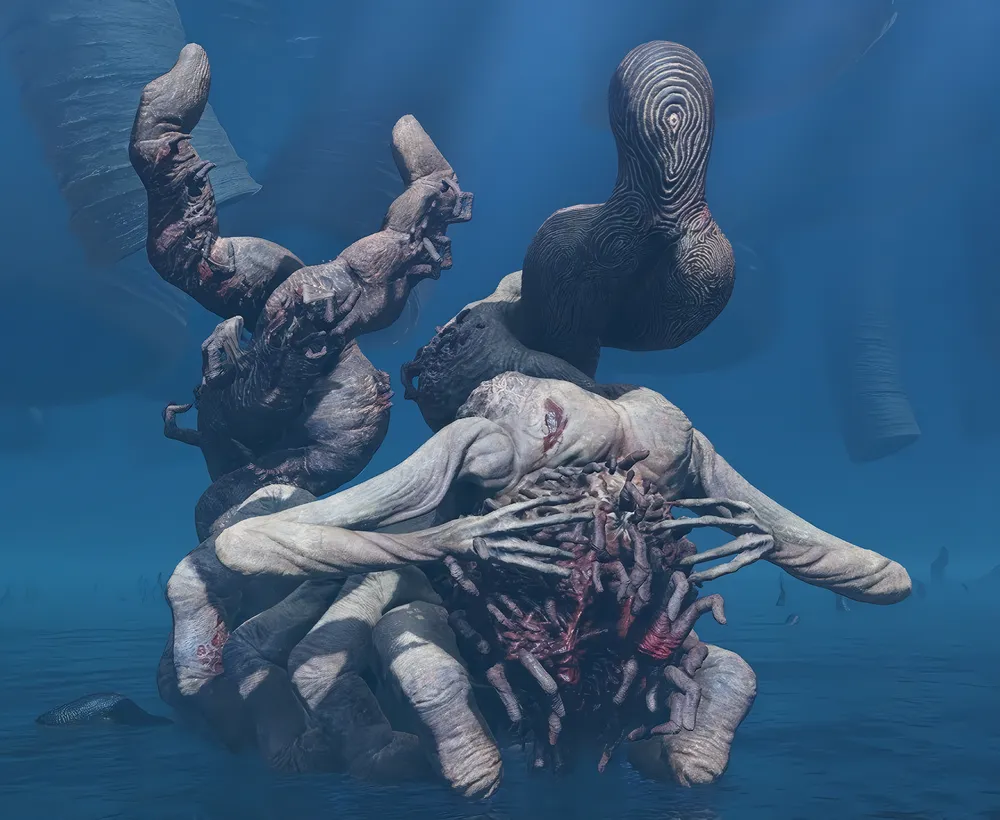
long before the elden beast, the silver star that bore metyr, mother of fingers was the first to arrive in the lands between. metyr was once the envoy of The Greater Will, using her finger children to pick and choose fledgling gods-to-be (known as “empyreans” in the text) until her rule was soundly rejected by the nox5. it seems immediately evident that the “fingerslayer blade”, the treasure of the nox, was used on metyr given its name and the appearance of a wound on her breast (above her, let’s call it, “birthing canal”), but the blade’s suggested origins truly drive home the degree of heresy the nox were willing to peddle in: the blade was constructed from the body of a fallen god5.
 metyr, mother of fingers. note the wound above her uh. business.
so the nox rejected The Greater Will. they were banished underground and lived “under a false night sky, in eternal anticipation of their liege. Of the coming age of the stars. And their Lord of Night.” still, sellia and ordina appeared to remain above ground (or were subject to later seismological events that shifted them back above ground6), and at least some nox went on to become the astrologers that viewed the fire giants as their neighbors. in fact, many astrologers went on to create “rise” towers above ground that featured tell-tale elements of nox architecture. the rise tower on the mountaintop of the giants, known as the “heretical rise“, is where the study of the stars and, by extension, glintstone sorcery began. by the time the player rolls around, the heretical rise is surrounded by the mechanical marionettes of the carian royal family; as such, we must assume it is a place of great importance for them (arguably, even an ancestral home). within this rise is the first primeval, forbidden sorcery: founding rain of stars.
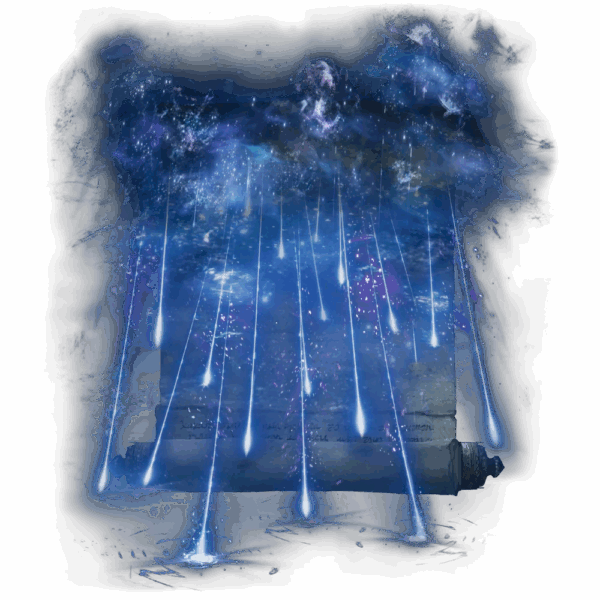 the unique purple and dark blue hue of “founding rain of stars”.
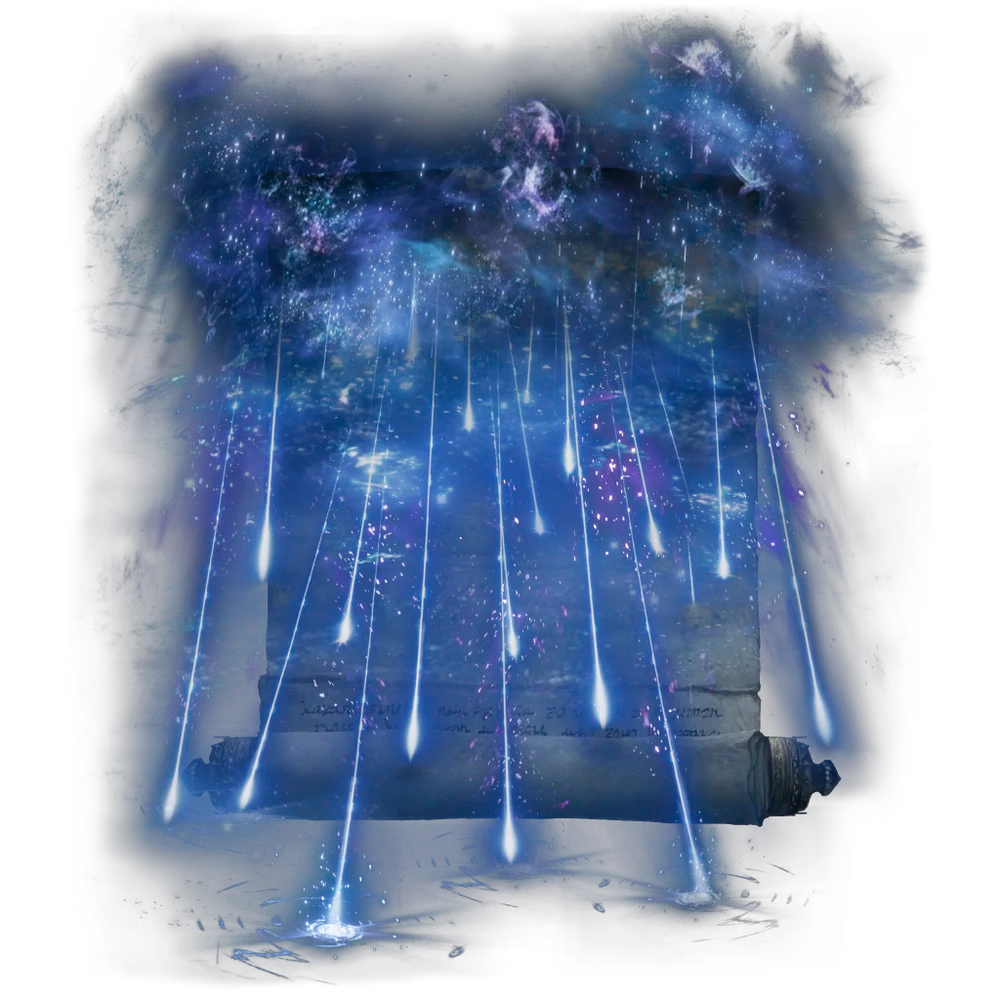
The eldest primeval sorcery, said to have been discovered by an ancient astrologer. A sorcery of legendary status.
Summons a dark cloud of stars overhead. Shortly after, the cloud will release a violent deluge of star rain. This sorcery can be cast while in motion. Charging increases potency.
Thought to be the founding glintstone sorcery. The glimpse of the primeval current that the astrologer saw became real, and the stars’ amber rained down on this land.
its reasonable to assume that the mountaintops was the birthplace of the modern day carian royal family, given that you have to cross an invisible walkway using snow (the element of carian princess ranni and the “snowy crone” who taught ranni her magic) as your only guide and the rise is near a series of pretty pointed clues strongly suggesting this is the case. while the carians are almost certainly half-nox astrologers, they are also probably half giant: queen rennala is uncommonly tall and was depicted as such in her heirloom talisman, suggesting that her height in-game is not a new development as a result of some external force. knowing that carian royalty gifts swords to their spouses, the “storied sword and treasure” of the carians, the sword of night and flame, is likely a commemorative memento of the relationship between these two seemingly disparate cultures. through love, anything is possible, i guess! this would also explain the presence of giant astrologer corpses that occupy the previously mentioned “chair-crypts” in the underground nox cities: they were beloved citizens and fellow star enthusiasts.
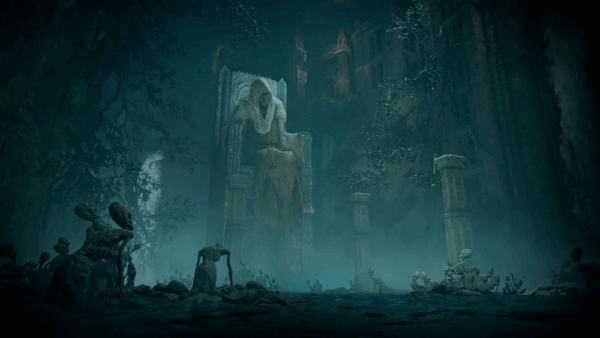 the “chair-crypt” of the underground eternal city of nokstella, occupied by a giant corpse.

rennala’s talisman depicts the moment that she “met” the full moon. from that moment, she used the power instilled in her by that moon to “bewitch” the sorcery-centric academy of raya lucaria and become head-mistress/queen of liurnia.
one last morsel of proof when it comes to the carians and the nox: the carian spell sigil is shockingly similar/near identical to the spell sigils for the “night sorceries” of the sellian nox or the oracle bubbles of the underground claymen of the ancient, stone ship dynasty. this is the clearest depiction of lineage to the underground dynasties in the game.
|
|
|
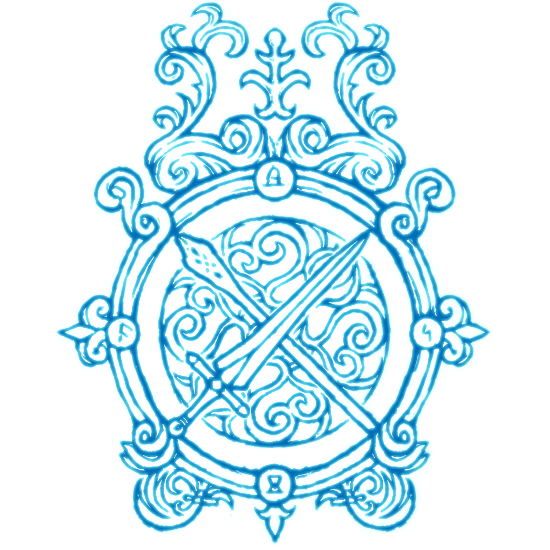


anyway: the silver carians went to war with golden marika over her stupid tree.
the liurnian wars probably could not have gone worse for marika, frankly. its bad enough to lose the first one, but the second one ended when the mysterious red-headed general, radagon, suddenly dropped everything in order to marry rennala in what appears to have been a random fit of passion. i genuinely don’t think you can lose a war harder than that, especially when it resulted in 3 new potential heirs to the elden throne. complicating this issue is that radagon IS marika; they are the same person, one soul split between two bodies. this moment cascades into the rest of the mythology of elden ring, culminating in a series of divine tragedies that drove marika to the brink. in her own fit of passion in the wake of her most beloved demi-god son’s death, marika picked up her smithing hammer and shattered the elden ring.
nightreign
this is the moment when the events of nightreign branch off from the main timeline that comprises the story of elden ring. according to interviews with the game’s director, junya ishizaki:
We’d like fans to think of Nightreign as an Elden Ring spin-off, first and foremost. The story is completely separate and parallel to the world of Elden Ring’s. If you had to tie it in some way, we had the events of the shattering in the original game. After the events of the shattering, this is a completely separate branch of the Elden Ring story.
this is all well and good, but there is a point that needs clarifying: there are two events in the elden ring timeline referred to as “the shattering”. the first was the actual, physical shattering of the elden ring by queen marika the eternal when she took a sledge hammer to it. the second was The Shattering, a war between the queen’s children for the throne and custody of the elden ring. luckily, the opening to nightreign makes clear which of these events is being referenced and we see the exact moment that the timeline splits.
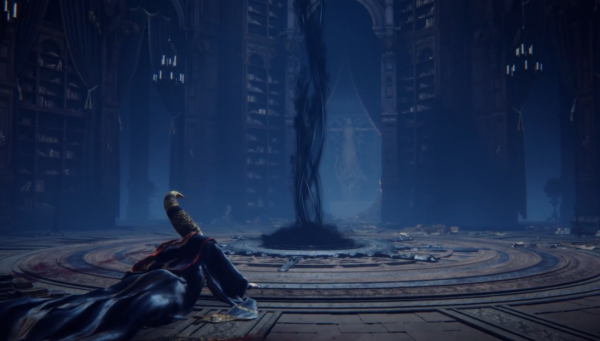
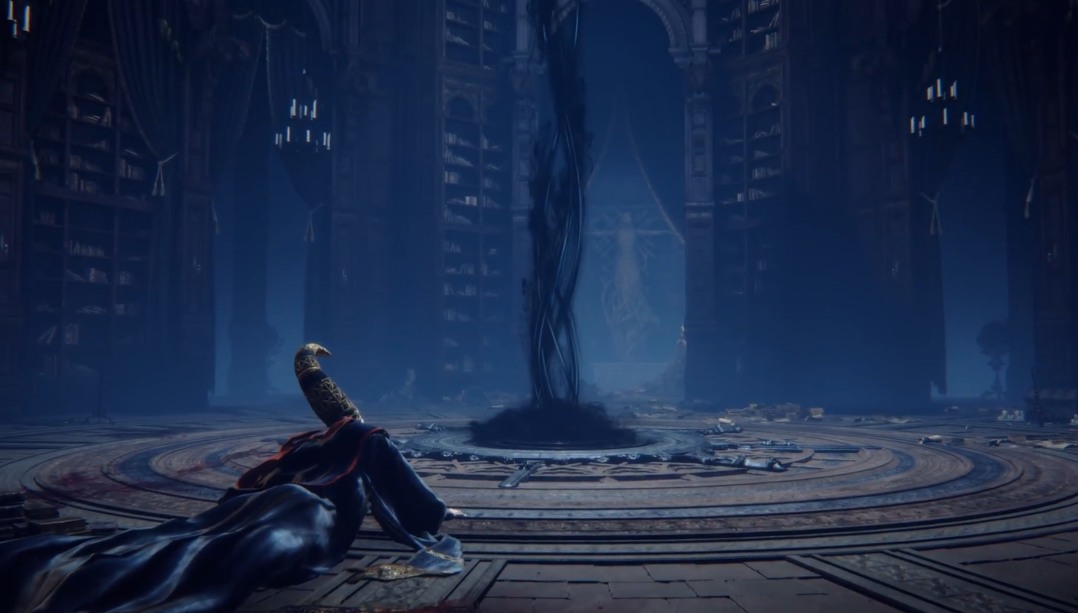
in the opening cutscene of elden ring, we hear a hammer pounding, we see marika hitting the ring, and we see the dazzling light that erupts over the kingdom of the lands between when she successfully breaks it.
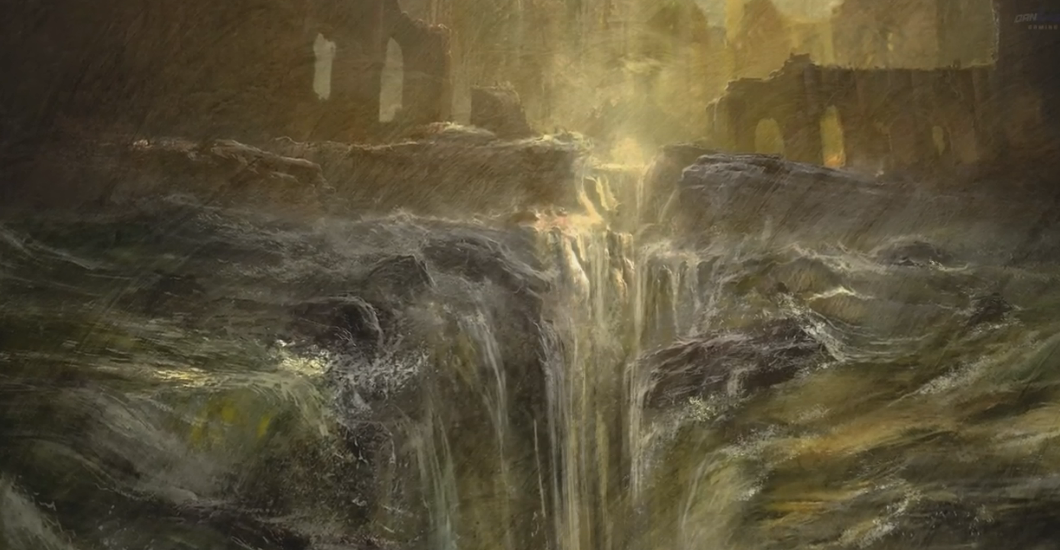
nightreign begins with the same sounds. but the result is different. now, the sea roils and splits, opening up to a black-blue abyss.
|
|
|
|
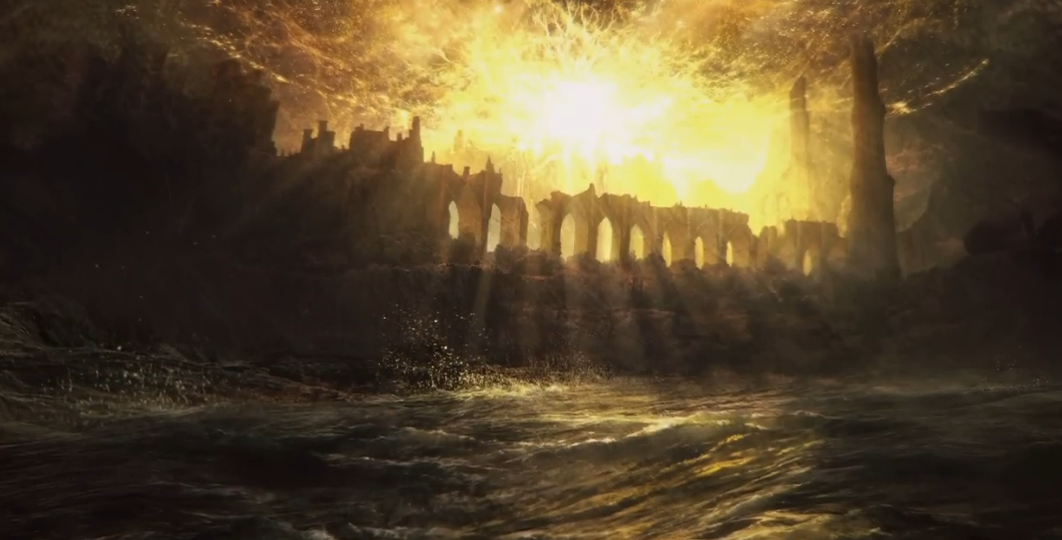
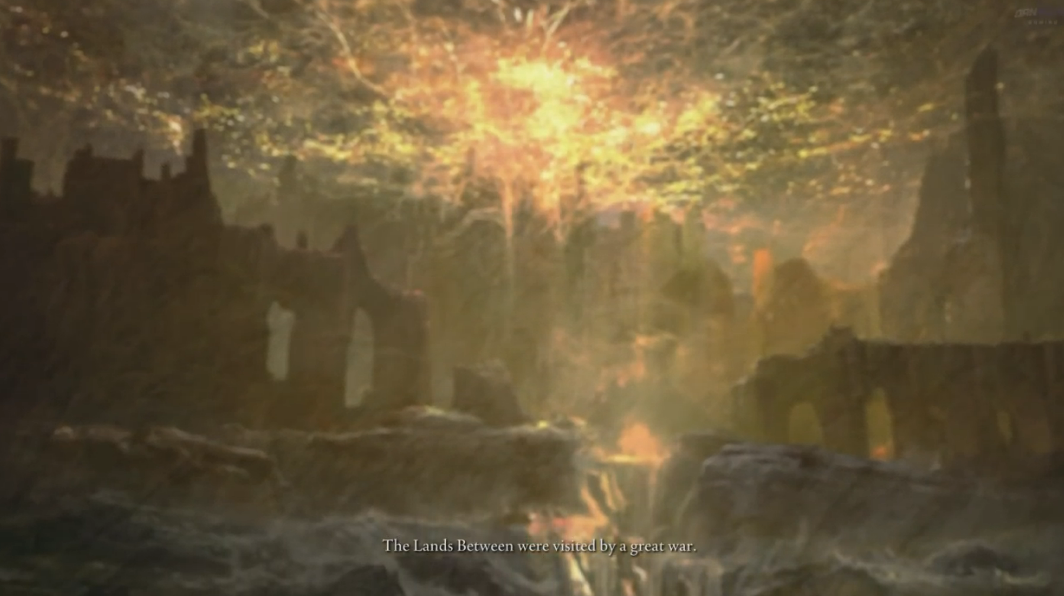

the characters of nightreign are working to prevent the events of nightreign from happening. you are ending a doomed timeline and resetting back to a point where the world can be (potentially) saved from utter destruction. this is a timeline where The Shattering, the war, is rocked by the appearance of a new contender for the throne: the nightlord (or, alternatively, the lord of night). so, nightreign happened, except that it didn’t. and that’s the point. the cast of nightreign journeyed through time and space to create a world where the lord of night could never ascend to power and the night he conjures could never take hold (and dark souls creatures don’t show up in elden ring).
the nox, and by extension the carians, were awaiting the lord of night and the age of stars. so who, or what, is the nightlord, according to nightreign?
the lord of night
it’s artorias. it’s soul of cinder. its gwyn. it’s vendrick. its gael. its every final boss from every fromsoft game shoved into a blender. mechanically and meta-contextually, the nightlord is a love letter to fromsoft’s favorite type of guy: guts from berserk. they are addicted to remaking guts over and over again lol. they can’t get enough of that guy! and frankly, i can’t either. i go apeshit when i see it’s another boss whose gimmick is that he wields a greatsword with one hand. that’s how you know it’s going to be a good fight.
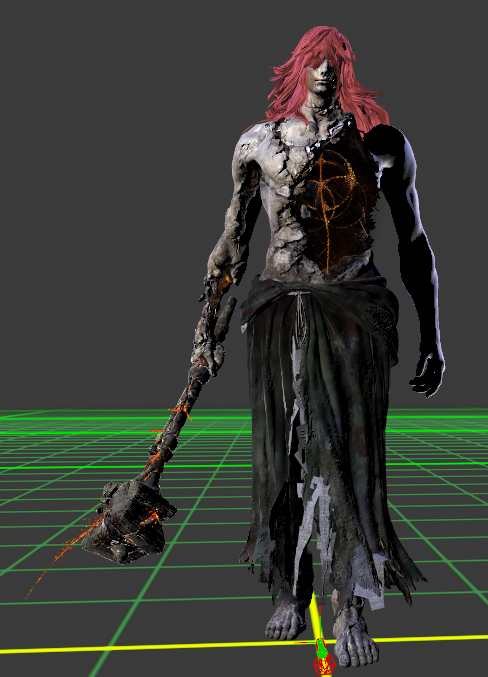
narratively, the nightlord is more complicated. he begins the fight under the name “the shape of night”, bound in rags from a failed attempt to seal him and run through with his own swords. his name in english is “heolstor”, which is a real word meaning “veiled” or “darkness”, but an odd choice given that every other language lists his name as some variation of “nameless” (bolstered by his relic description that suggests that patient zero of “the night” as a phenomenon was just some guy and not anyone of any consequence). heolstor acts as a vessel for his “thing with the property of a great rune” in the same way that marika/radagon harbors the elden ring. which is sort of interesting to chew on: if radagon can act as both elden lord and vessel because he’s physically also marika, what does that make heolstor, who is both lord of night and (evidently) a vessel?
|
|
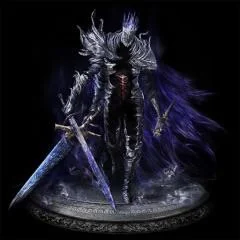

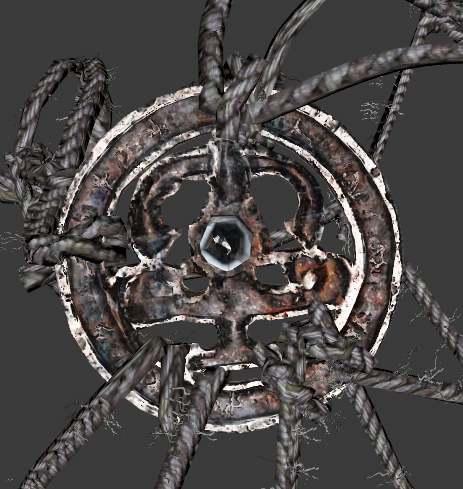
the primordial nightlord’s rune
alright, we need to talk about this thing, even though no one wants to. this is a really complicated little piece of shit thing they added into this game that raised a lot more questions than it answered. i’m going to do my best to offer a semi-satisfactory explanation, but the truth is: no one knows what this thing is and no one understands the item description. this thing is a genuine mystery.
a successful run in nightreign culminates in your character offering up the primordial nightlord’s rune to a completely unremarkable corpse sitting in a ruined version of the player hub of elden ring, the roundtable hold. this ends all the problems, for some reason: your nightfarer player characters return to the time and space they were whisked away from as little flecks of light. that’s great, probably (?).
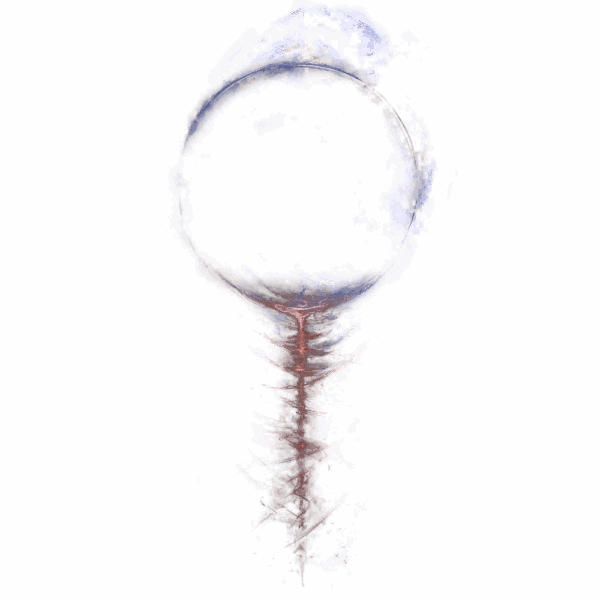 the primordial nightlord’s rune.
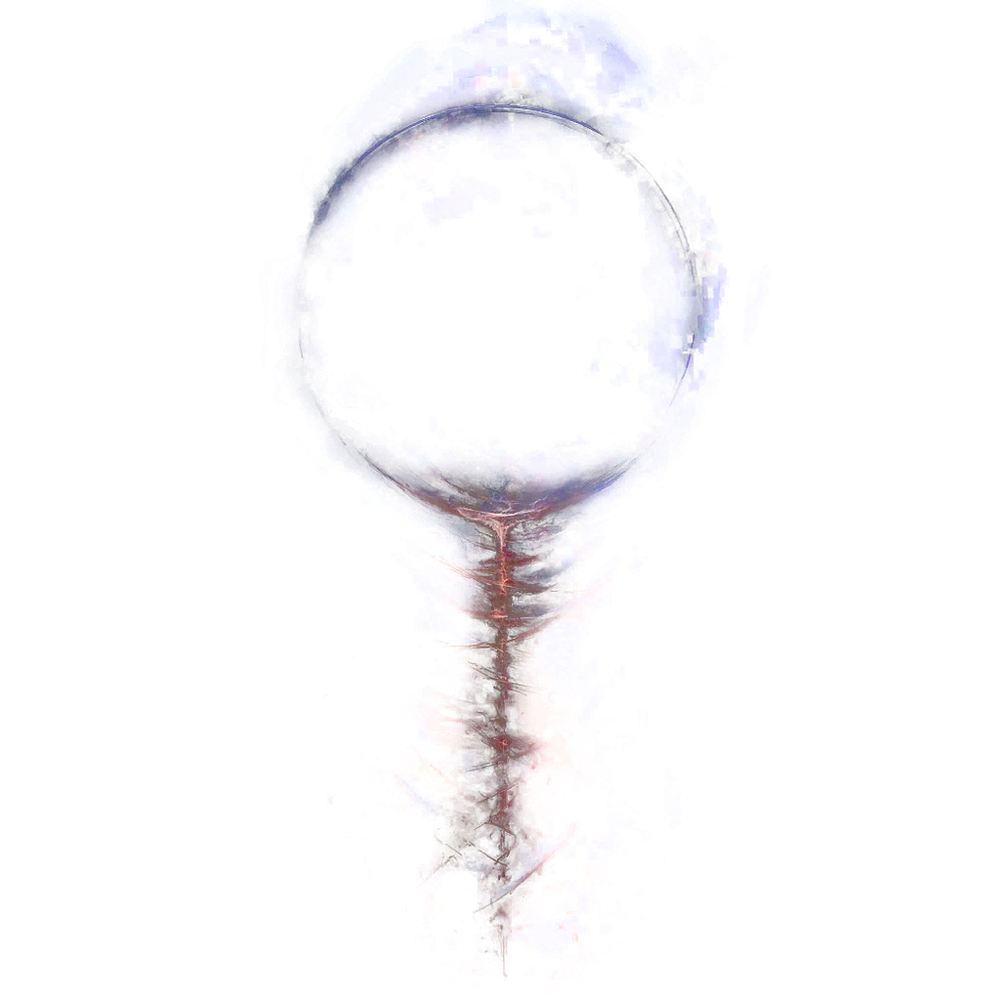
A thing with the properties of a Great Rune harbored by the Primordial Nightlord.
The cutting-gifted tribe anticipated the coming night, and spent many a moon planning its prevention, concluding that their only chance at success was to cheat a god.
They had glimpsed what they should not; the very sin of the Erdtree. For their trespass, so were they punished.
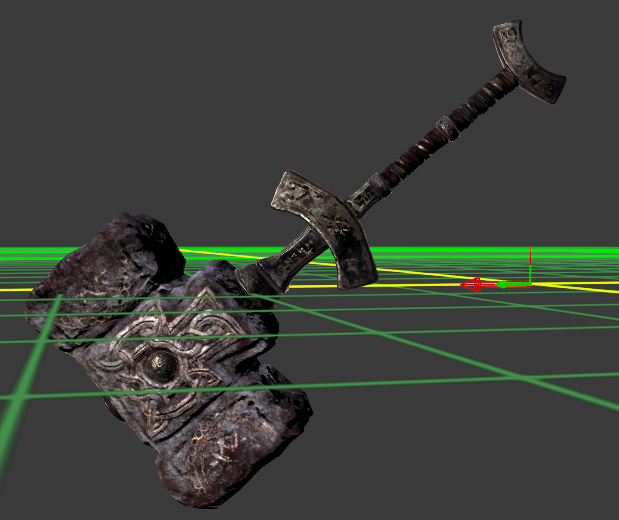
where does one even start with this word salad. from the top, i suppose. the word “primordial” appears literally only in the game as a descriptor of the crucible (especially as “primordial red-gold”, the same color as the bottom half of the rune seen above). the physical appearance of the crucible (if such a thing even exists) is the subject of debate: it could be a literal, giant crucible, it could be a volcano, it could be a reference to the “primordial ooze” all life sprung from, it could be the sun, or it could be any other damn thing. i would argue the crucible is all of these things and its true nature is as a magical force that emerges when life is blended together by heat. the only reference image we have of what the crucible could look like is the engraving on devonia’s hammer that depicts…well. something or other. but i think “the sun” isn’t a bad guess.
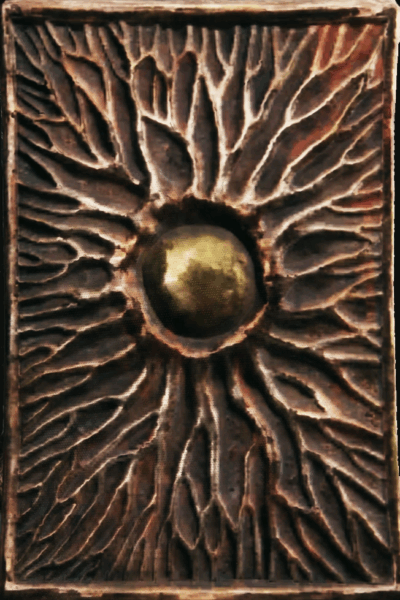 the striking face of devonia’s hammer.
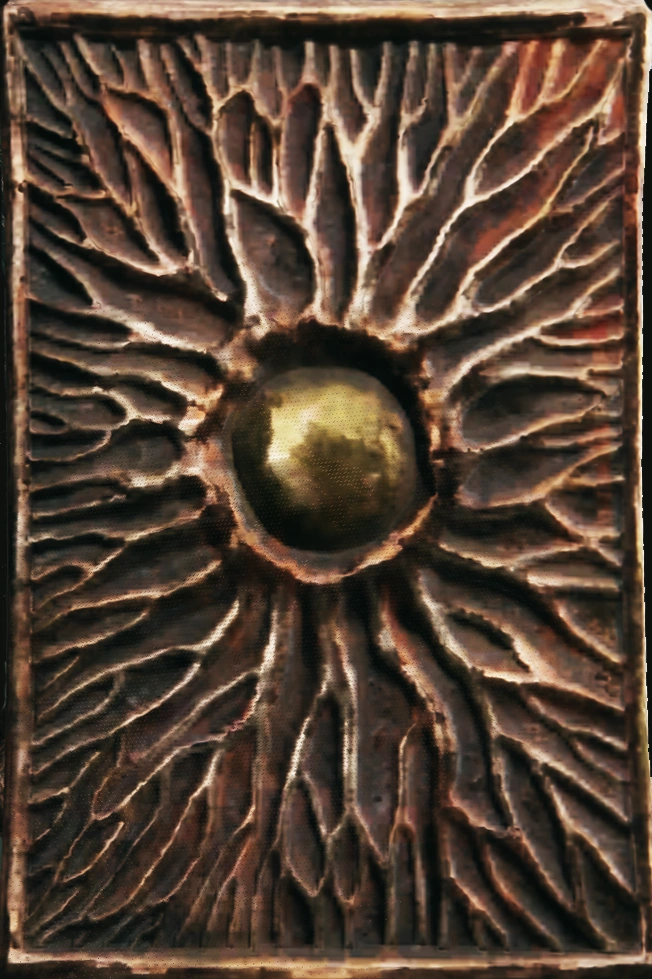
let’s assume it is the sun; this would make the crucible, teaming with life and heralded by the sun, the polar opposite of the lifeless, starless night. when the power of the crucible overflows, the result is a frenzied flame that seeks to return all matter to one simple form. individuality is sacrificed in order to return all of existence to a primordial form. when the night floods, it unleashes a torrent that threatens the complete elimination of all things. the frenzied flame is often misunderstood to be complete annihilation, but i would argue that this is not true. the frenzied flame wants one thing; the night wants nothing. the nightlord’s boss arena is a vision of the future under the reign of night: a world where nothing can ever hope to exist, much less survive. not even gods.
 the domain of the nightlord.
it is reasonable to assume that night cannot exist while the sun still shines. if one wanted to eliminate the source of light and life, how would one go about it? bizarrely, there is reference to this in the base game: the eclipse, the celestial body that represents dead, souless demi-gods. from the legendary weapon of castle sol, the eclipse shotel:
Storied sword and treasure of Castle Sol that depicts an eclipsed sun drained of color.[…]
Set the lusterless sun ablaze with the Prince of Death’s flames, inflicting the death ailment upon foes.
the eclipse
there is no concise way to describe the significance of the eclipse, so unfortunately we must take another sidebar here. if the carians are guided by the moon(s)7 and other glintstone sorcerers are guided by stars, then its not unreasonable to assume the sun has powers as a star/celestial body. while we know very little about the sun’s potential “guidance”, we have slightly more information about what happens when the moon blots out the sun and “drains it of color”.
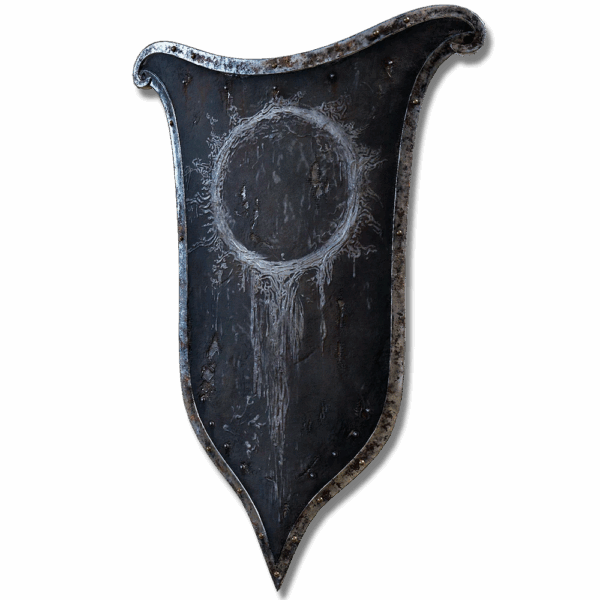 the symbol of the eclipse, as seen on the shields of the guards of demi-god mausoleums.
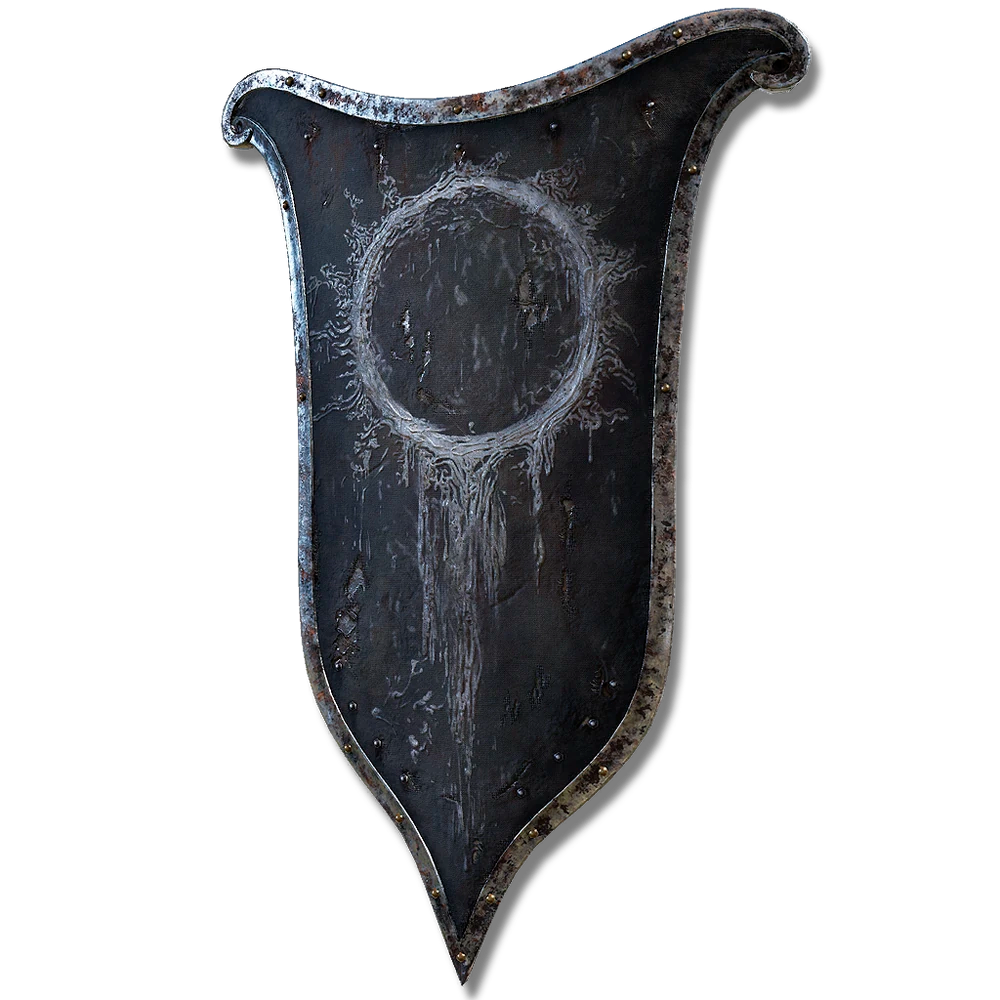
marika has a big family. after she removed the rune of death from the elden ring (remember earlier when i asserted that “refusing to die/interrupting the cycle of life and death” was a terrible sin in the world of fromsoft games? this move by marika appears to have caused a lot of problems), marika’s beloved son, godwyn the golden, was intended to be martyred8 in order to re-introduce the concept of death to the elden ring. however, lunar princess ranni of the royal house of caria meddled in the death ritual for her own devices and left godwyn a soulless husk; his body lives and grows, but nobody’s home. in a failed attempt to revive his very, very dead brother, marika’s youngest son, miquella, attempted to perform an eclipse-centric ritual at castle sol. castle sol, true to its name and location in the snowy mountaintops, revolved around the worship of the frigid, dark sun and is surrounded by creatures (deathbirds and tibia mariners) associated with the interrupted cycle of death. here, the spirits explicitly spell out that the purpose of whatever ritual was intended to occur at castle sol would have resulted in “grant[ing] life to the soulless bones” of godwyn. but that didn’t happen; the ritual failed. the sun was not drained of color and godwyn remains dead.
but if the ritual had succeeded…perhaps it would have resembled the primordial nightlord’s rune: a blue-black moon, the color of night from the opening nightreign cutscene, draining the red-gold from the sun.
okay, that covers the appearance of the rune. originally, i had this whole complicated attempt at breaking down the rest of the item description before watching a video by a trusted lore translator and realizing i was completely wrong. im going to hand the floor over to lastprotagonist to try to explain the strange description. it is not especially relevant to the concept of “the night” for this long-winded ramble, but very interesting and enlightening nonetheless.
the nightlord’s weapons
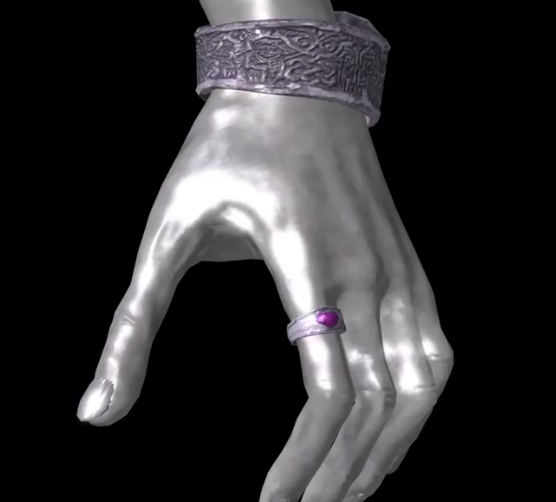
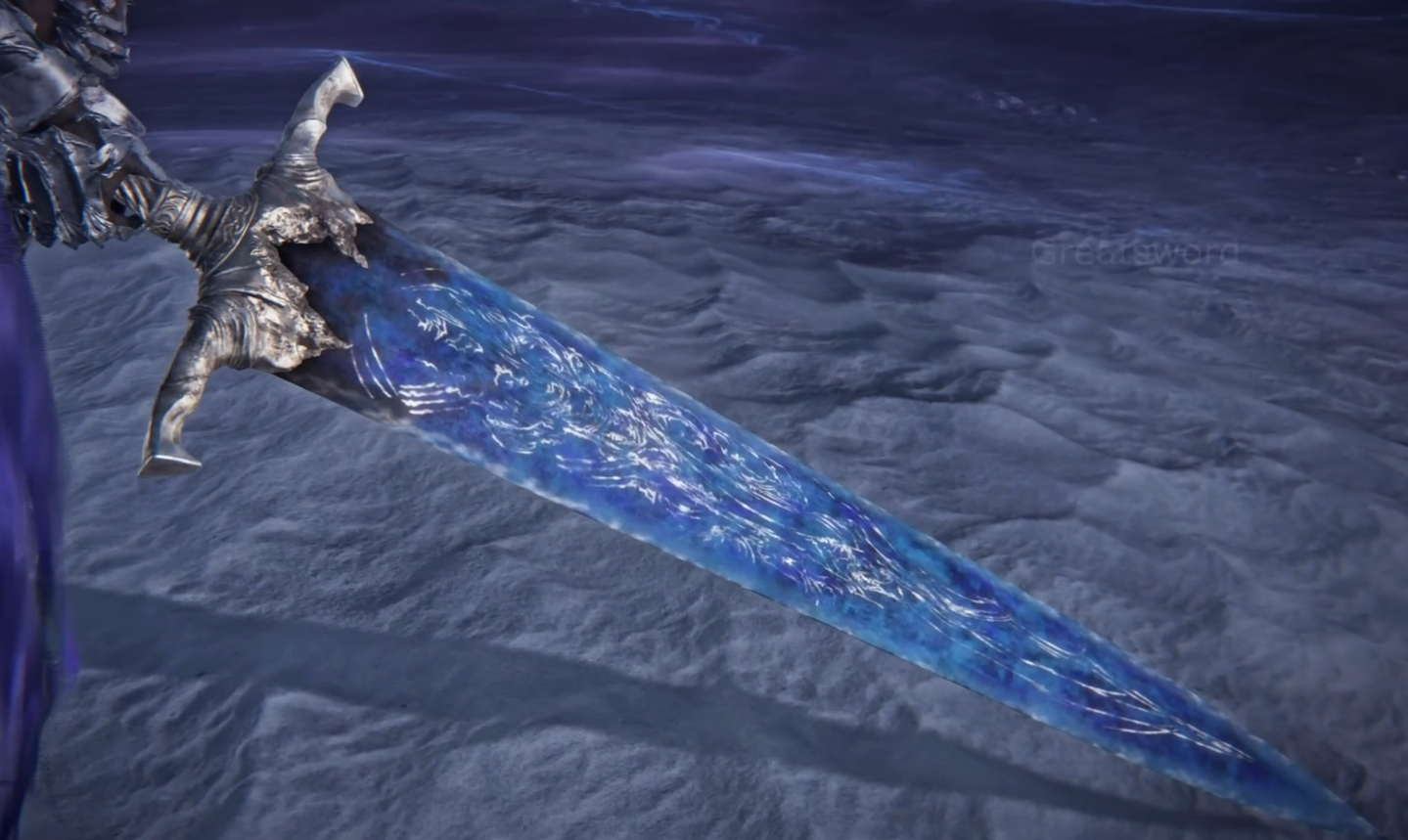
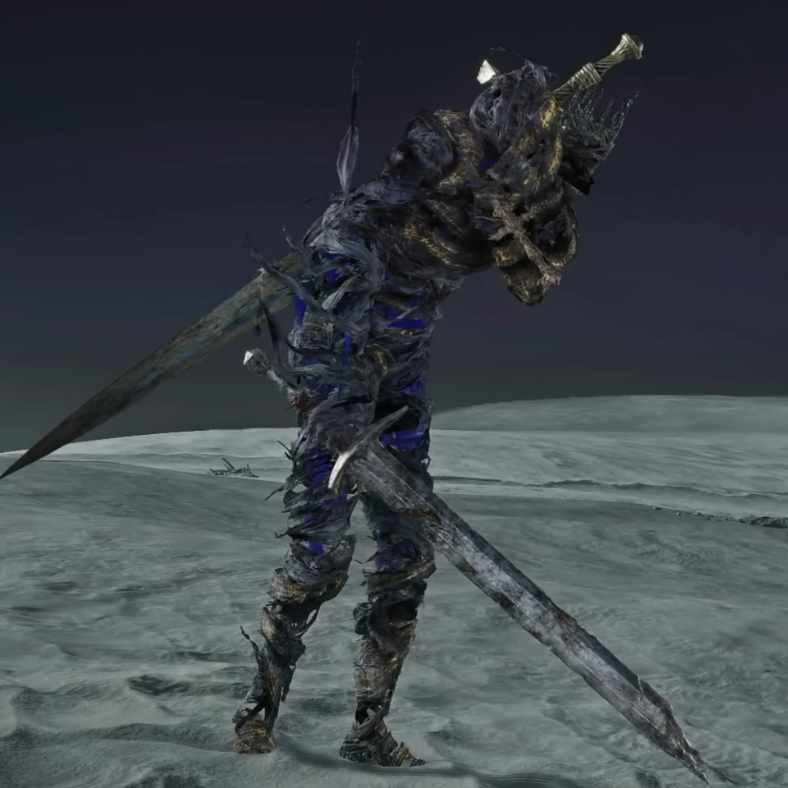
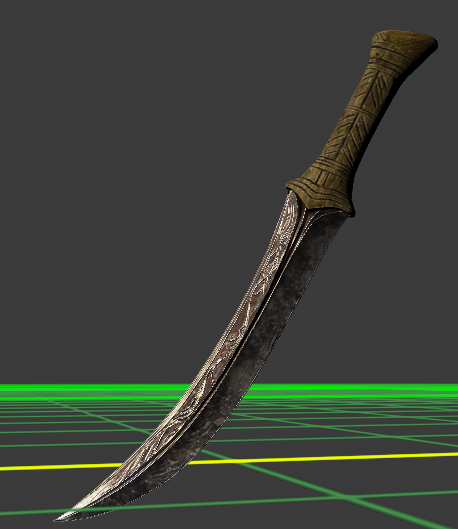
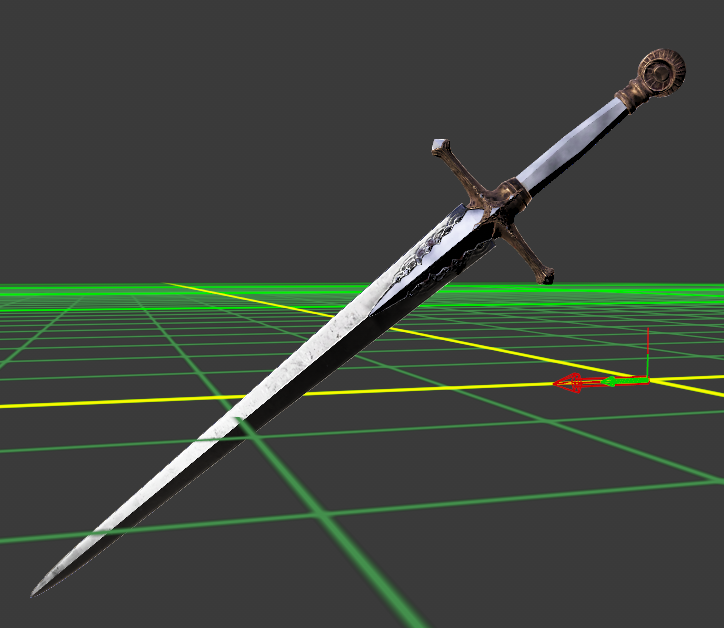
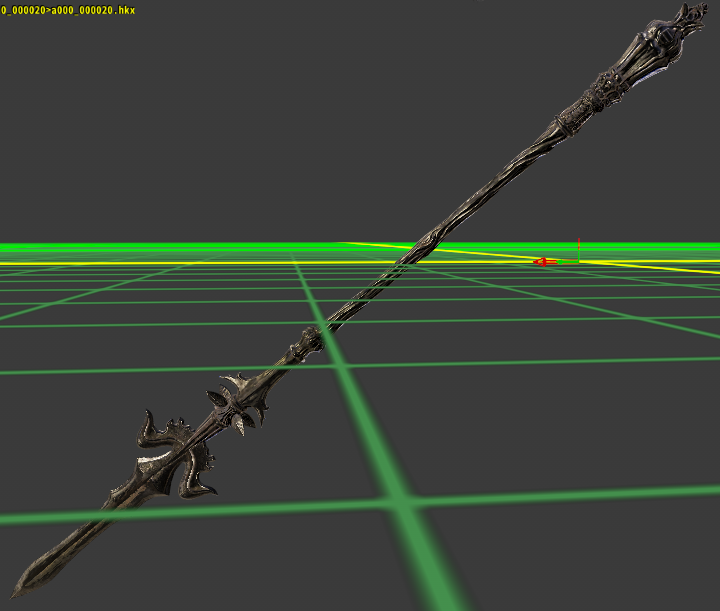
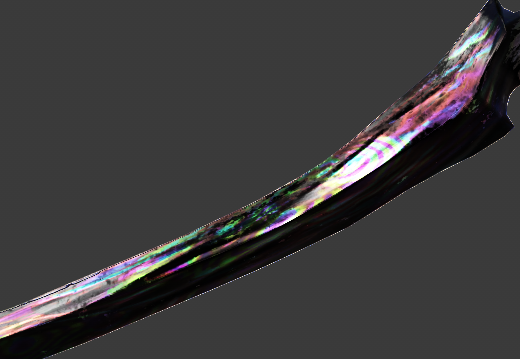
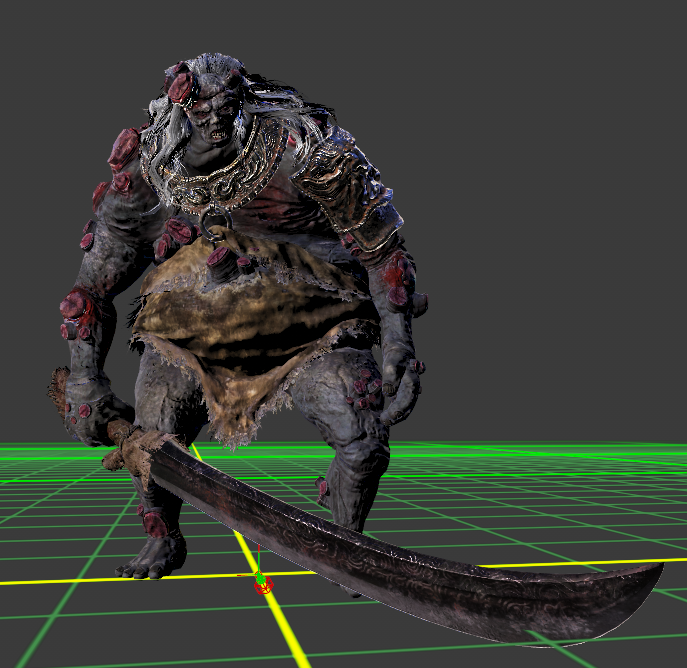
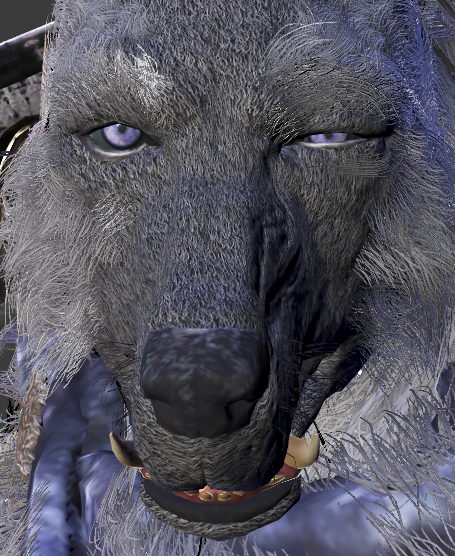
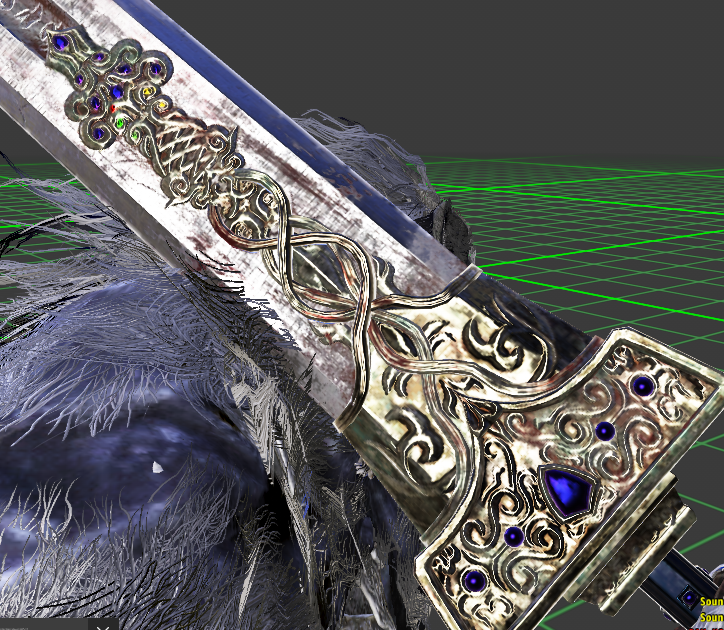
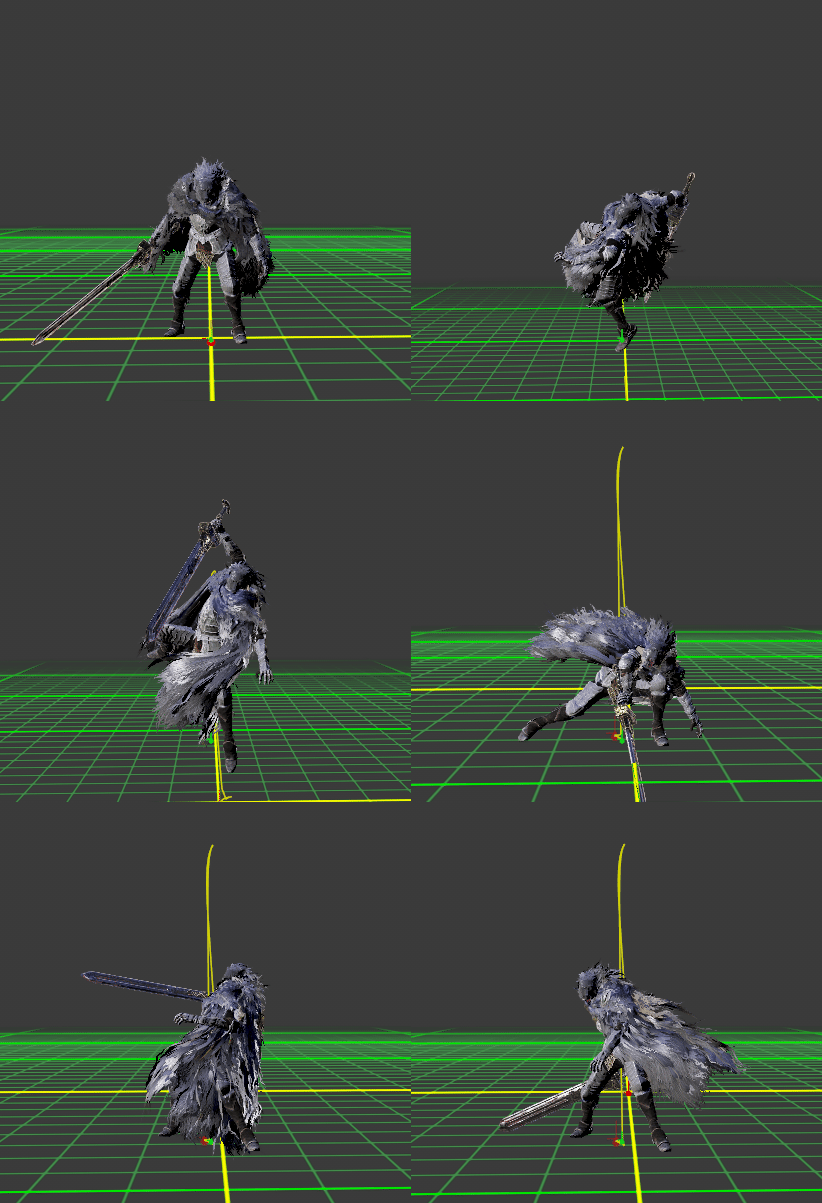
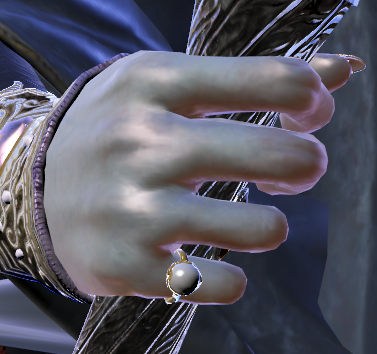
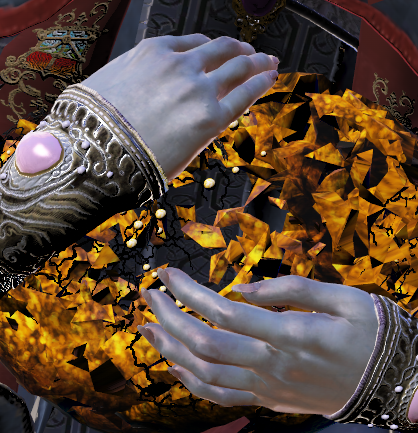
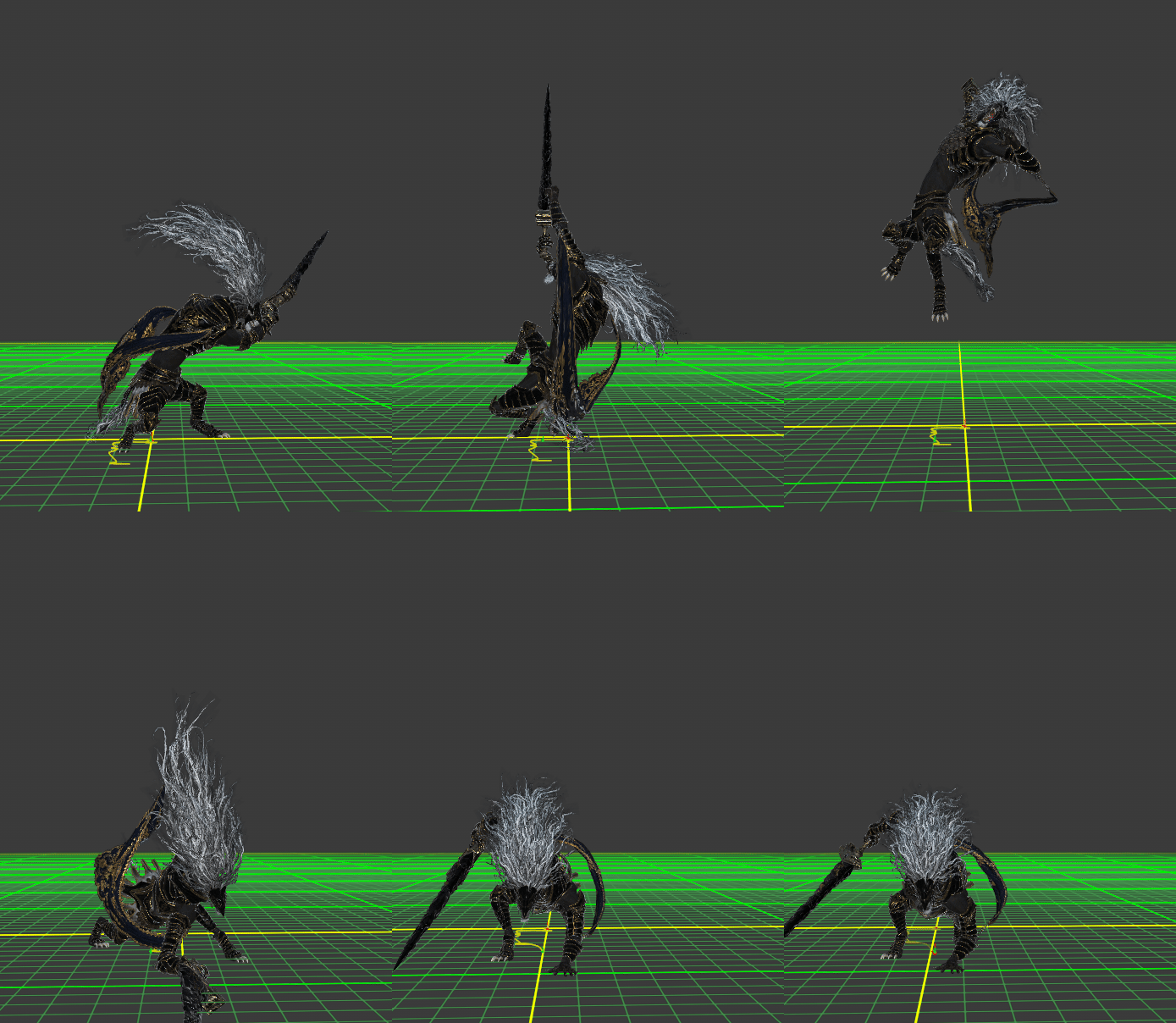
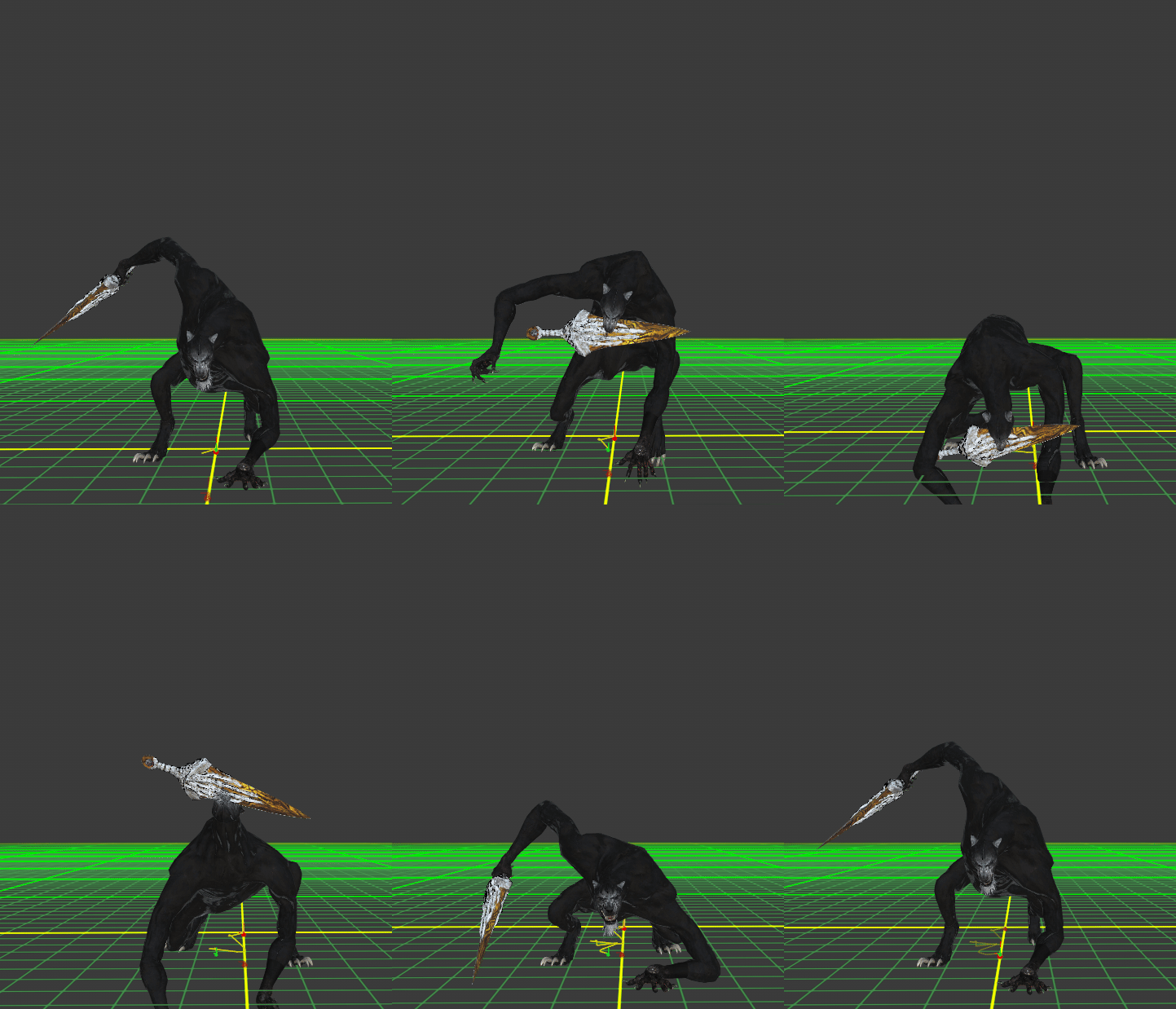
the nightlord has a few design features that are hard to ignore: his armor opens up to a gaping black hole, he has three arms (much like marika’s youngest son, miquella the kind, after returning from the gate of divinity as a god), and three swords. his armored right arms carry an unbelievably weathered straight sword and some kind of moon-based greatsword. his left arm is bare and exposed, revealing a slim and pale limb decorated with bracelets and a purple gem ring. this arm holds a dagger of unknown origin topped with a very similar purple gem. let’s look at these weapons closer.
|
|
|

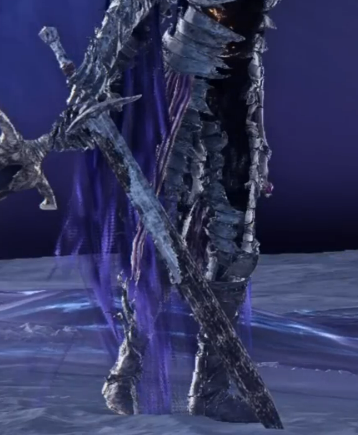
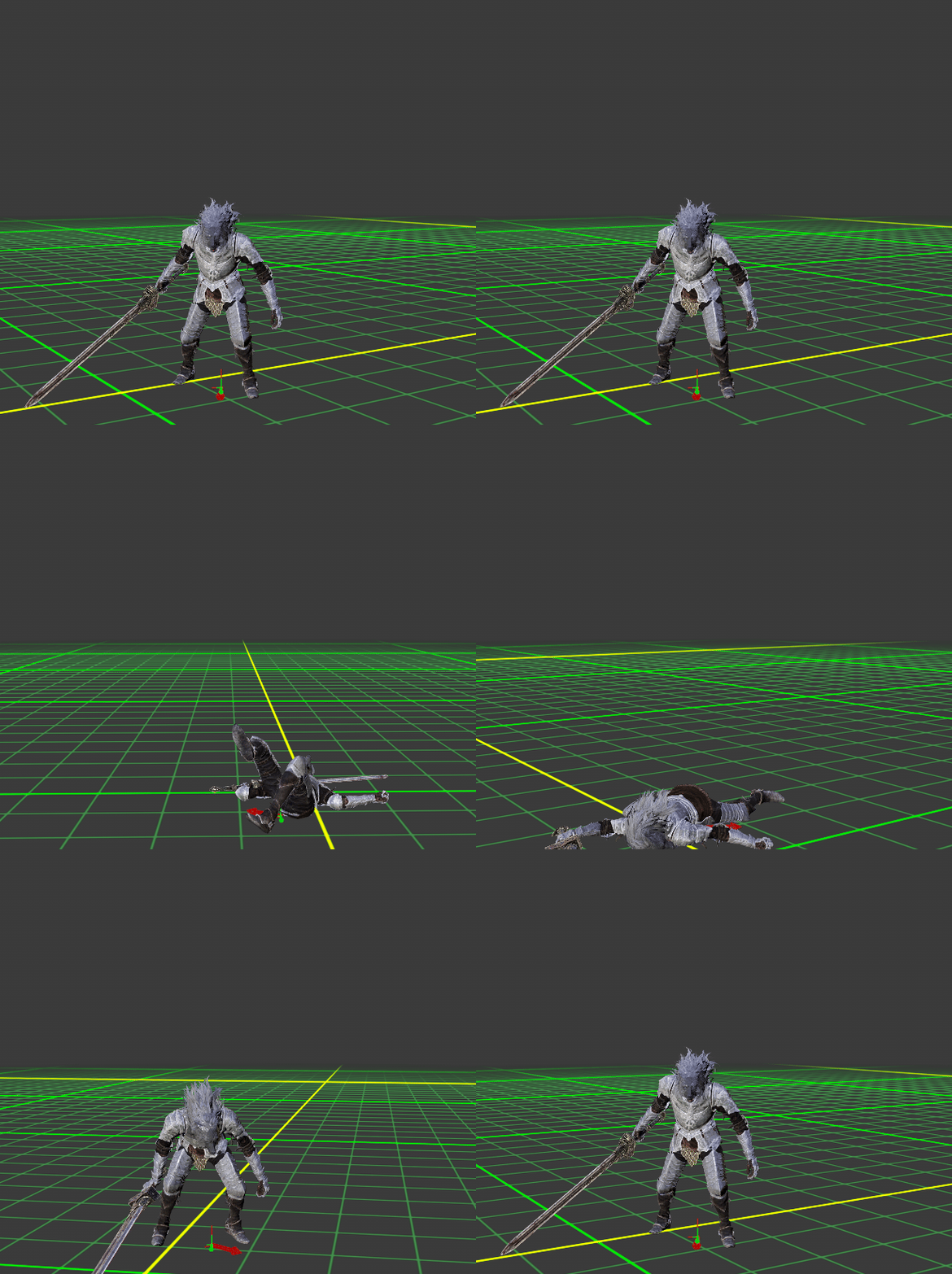
thank you to bonfirevn for their video of heolstor’s model
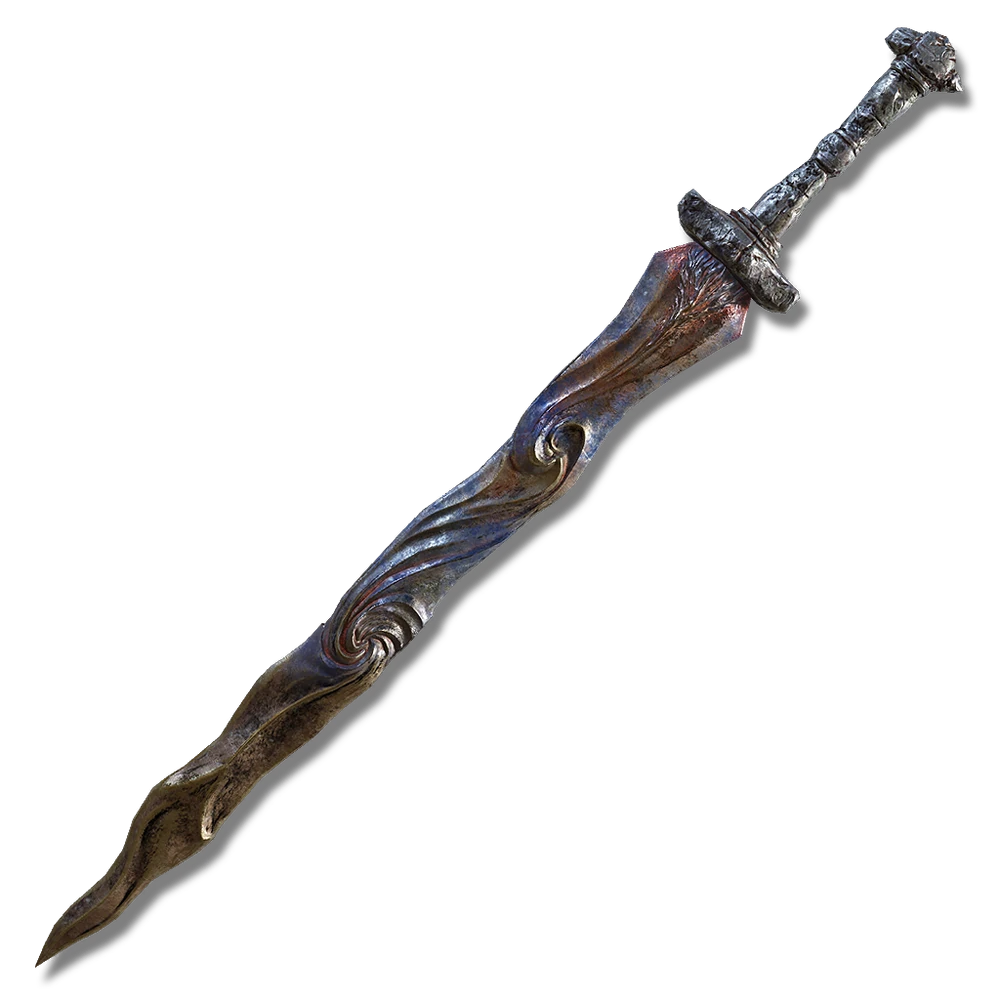
of all of these weapons, the dagger is the most baffling to me. while i don’t agree with all of the conclusions made in this post, it is impossible to deny that the glintstone kris isn’t strikingly similar in design, sans the wiggly blade. the item description for the kris reads:
Ritual blade once presented to Leyndell by the Academy of Raya Lucaria to celebrate their newfound peace.
Though the weapon is embedded with precious glintstones and features Erdtree ornamentation, the undulating blade is symbolic of an ancient ritual.
the carian royal family loves giving out swords in celebration of historic events. we previously mentioned that a sword ceremony was standard for carian marriage, so its no surprise that they would celebrate the end of a war with a cool sword demonstrating the aesthetic principles of both kingdoms; perhaps heolstor’s dagger is of similar origin. the color of the metal is so unusual as to be hard to pin to any one civilization or purpose (such as: gold for the erdtree, silver for the nox, copper for eochaid, black stone for rauh, red-gold for the crucible, unalloyed gold for miquella, etc.). it’s an almost rose gold, unseen anywhere else in elden ring, as far as i know. the only attack associated with this weapon causes the arena to be plunged into darkness and summons projectiles that behave and are animated like wraiths9.
 heolstor’s sprites or wraiths or whatever.
the straight sword is pretty unremarkable. like player characters in the base game, the appeal of the average straight sword is that you can apply any buff to it, and heolstor makes great use of this by randomly selecting an element to imbue it with in his phase three. in the first phase, it is chipped and broken. in phase 2, it appears to have been repaired by the release of the night with a dark muck or some nasty shit.
|
|
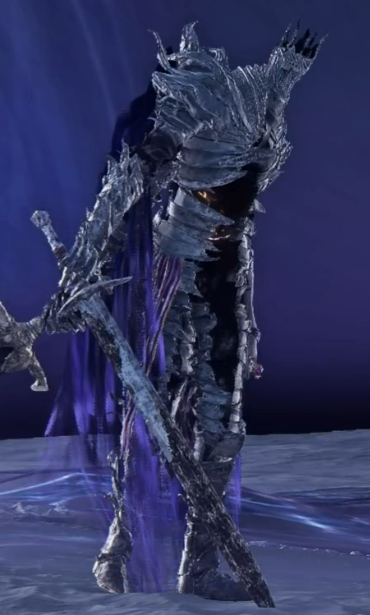
now for the doozy: the moon sword. this is not ranni’s dark moon sword, but it is a moon greatsword. and each moon greatsword is tied to a moon’s powers and appearance. ranni’s sword, like her moon, is cold and hued a deep, icy blue. we don’t know what rennala’s looked like because her loser ex-husband made his unrecognizable.
here is the dark moon greatsword description:
A Moon Greatsword bestowed by a Carian queen upon her spouse to honor long-standing tradition. […]
Ranni’s sigil is a full moon, cold and leaden, and this sword is but a beam of its light.
Unique Skill: Moonlight Greatsword
Raise the sword aloft, bathing it in the light of the dark moon. Temporarily increases magic attack power and imbues blade with frost. Charged attack release blasts of moonlight.
heolstor can charge his blade by holding it low, wreathing it with a blue and purple sorcery so he can fires beams in the standard moon-greatsword manner. the sword is visually very similar to the “moonlight greatsword” that has appeared in some form in nearly every single fromsoft game from kings field to elden ring. it is hard to argue that this isn’t a moon-greatsword; it immediately got every fromsoft fan’s hackles up when they saw it. but if that’s true, then what marriage took place for this sword to have exchanged hands? what moon does it represent? i don’t know, it’s a deliberately intriguing mystery.
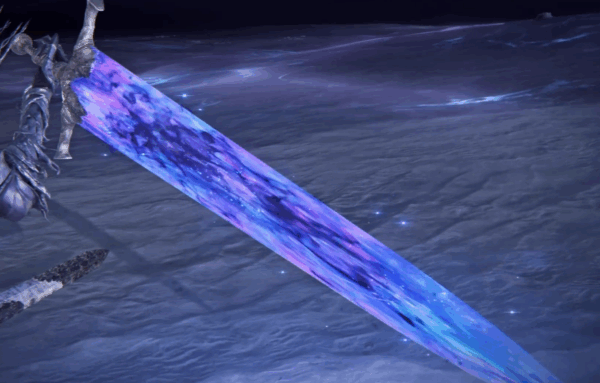 heolstor’s night sword charged attack.
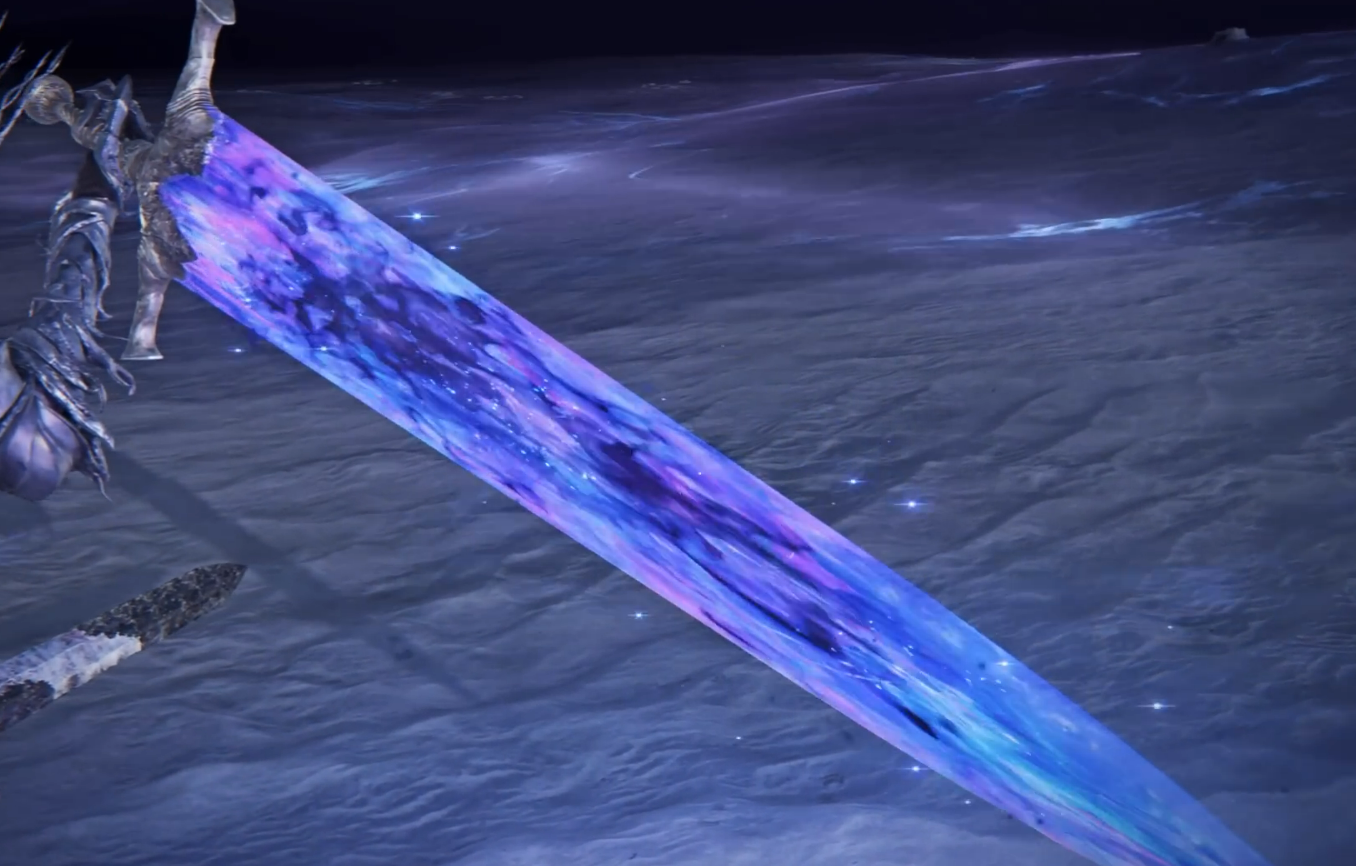
at minimum, we can assume safely that heolstor, or one of the people/creatures who became heolstor, married (or was?!) a carian royal. but what’s really thought-provoking is the color of the sword’s charge attack. where else have we seen this color?
but first: the primeval current
i propose that the first appearance of this unique hue in elden ring history was in “founding rain of stars”10, as seen earlier in this nonsense document. not only does it play off of the same reign/rain homophone that “nightreign” does (in which you must escape the oncoming “night’s tide/rain“), but the coloration of the sorcery is near identical to heolstor’s sword charge.
glintstone sorceries (which are largely cast using one’s intelligence stat as opposed to the [primarily] golden faith-based incantations) and glintstone itself originate from space (colloquially referred to as “the stars” in-universe). glintstone “contains residual life, and thus the vitality of the stars“; by drawing on this alien life, the terrestrial inhabitants of the lands between are able to summon their own stars, meteors, comets, and even temporary black holes. glintstone and it’s mysterious “residual life” flow from “the procession of stars” known as “the primeval current”, a difficult to define and understand force that appears to terrify all those who dare to glimpse and comprehend its origin (or destination?). context clues would suggest that “the primeval current” is literally a stream of stars moving through the cosmos toward an unknown and mind-shattering end. those who study the primeval current become obsessive, warped physically, and will begin to scheme up ways to create their own stars to join the procession by fusing sorcerers together into grotesque amalgamations…in a way, this practice (and the imagery of water, rain, currents, torrents, etc) act as a dark foil to The Crucible’s involuntary blending of life. thus, study of the primeval current is forbidden and its adherents have been shunned and cast away.
most glintstone sorceries tend to stick to a single color when manifested (almost entirely variations of teal for the academy of raya lucaria or royal blue for the carians and their allies), but the forbidden primeval sorceries that draw from the source of all stars (a “lightless abyss”; coincidentally, the “greater will” is said to reside in such an abyss) are blotched with even deeper blues and inky purples.
the color of stars
the blue/deep blue/purple palette appears in some other notable contexts. first, let’s cover sorceries:
the oldest, “primeval” sorceries are “founding rain of stars”, “stars of ruin“, and “comet azur“. admittedly, comet azur appears to break the color rule, but the blue/purple is seen as the spell is charged. curious!
|
|
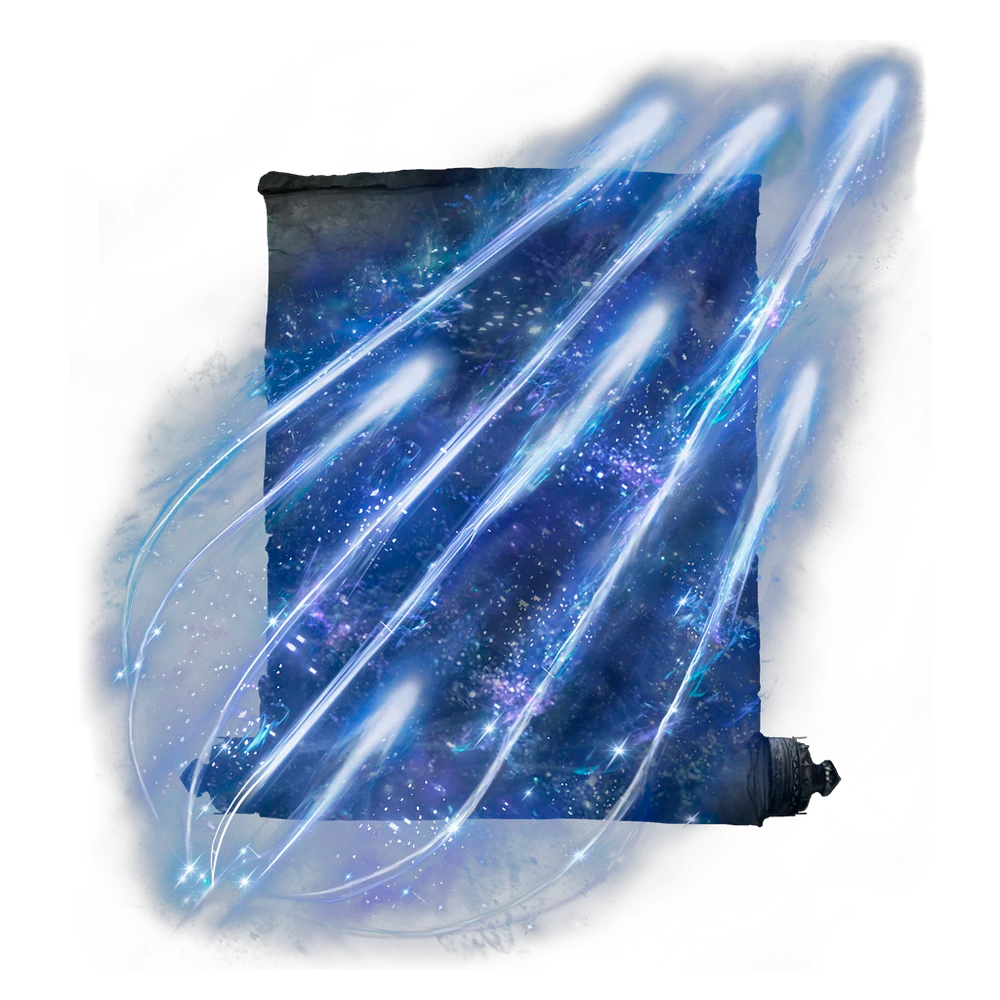
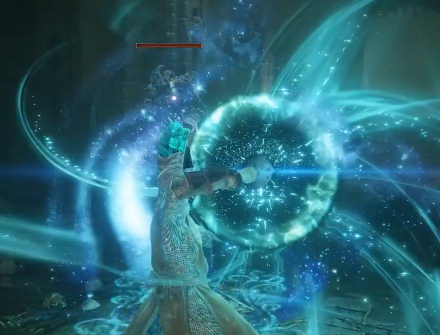
the crystalians are inorganic beings originating from space, held in high esteem by the sorcerers of raya lucaria. they “cleave close to the ideals of the primeval current” and their sorceries reflect this in their coloration. a unique crystal sorcery variant leveraged by humans sports the teal-green of sorceries distanced from the primeval current.
|
|
|
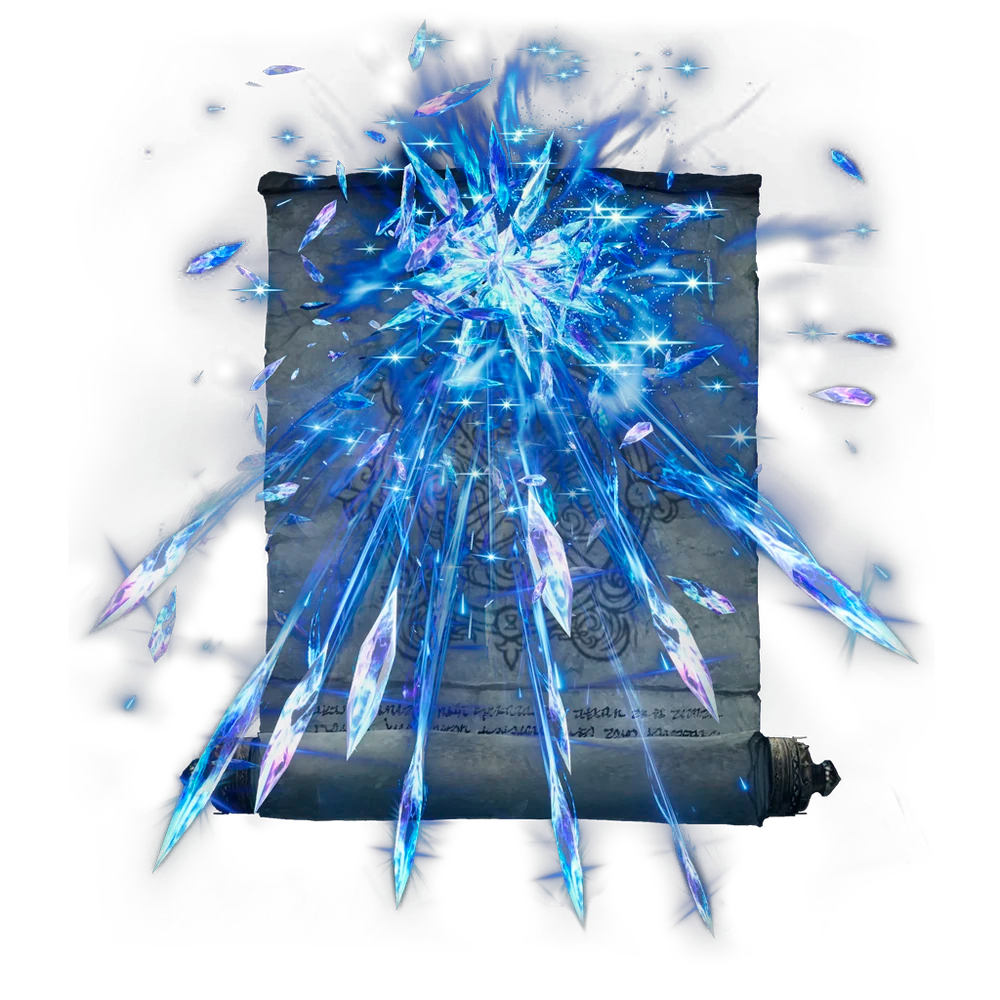
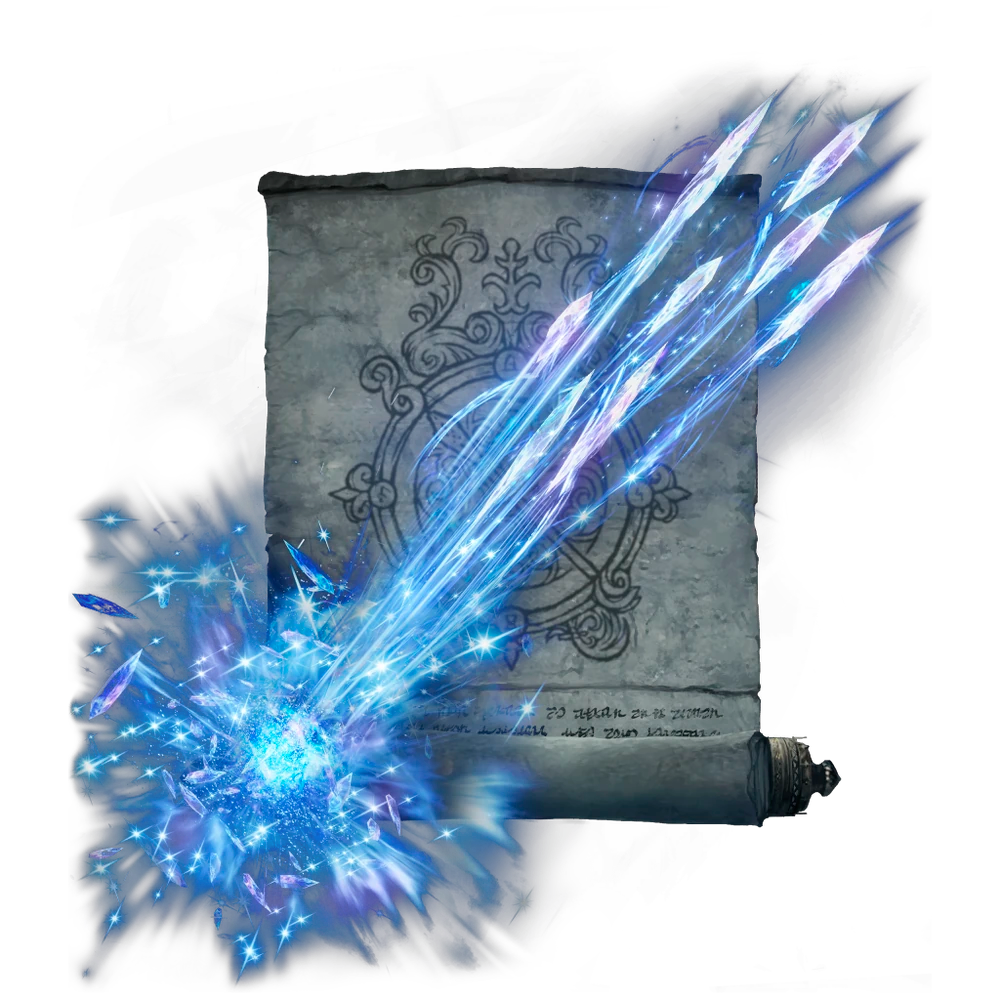

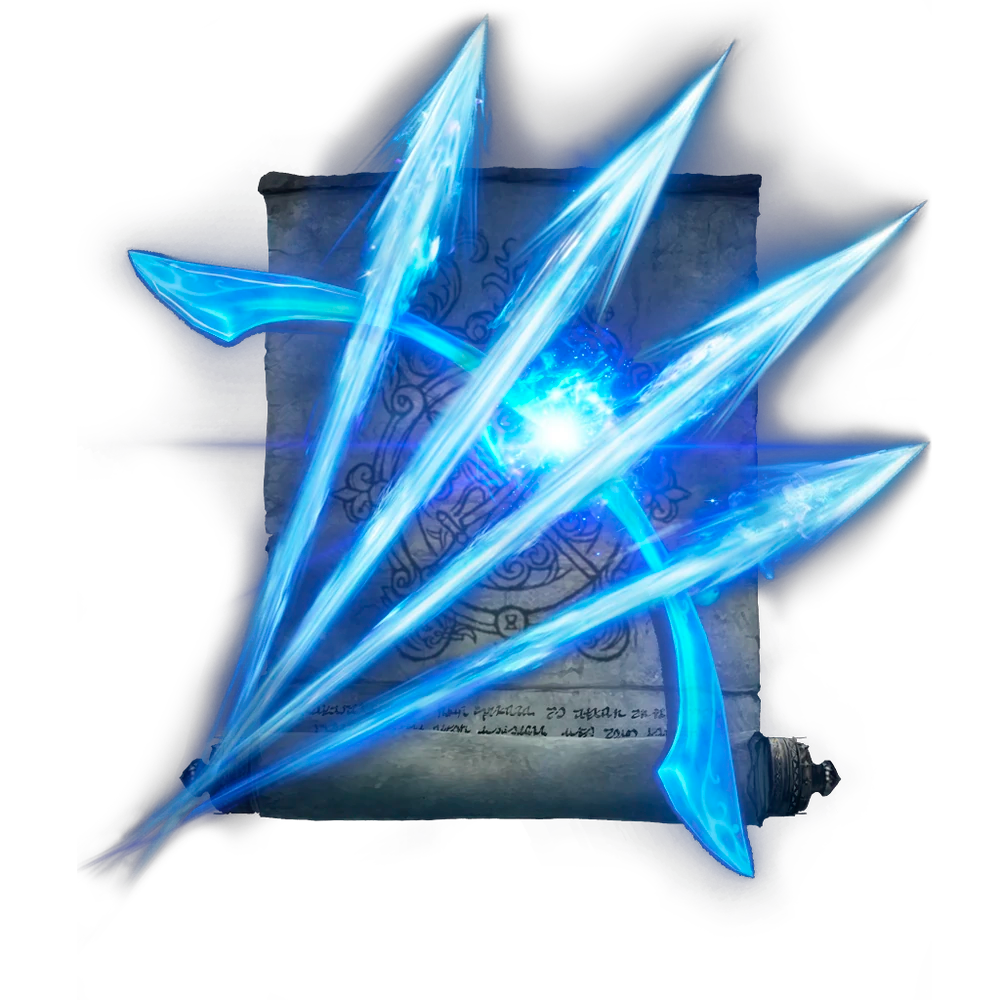
moving farther away from the current, the carian royal family (who were taught, in part, by crystalians) dabbles in sorceries that are less overtly vibrant, but still recognizably tinged with the primeval.
|
|
|


a tiny handful of items in the game feature the primeval color scheme. these include the primal glintstone blade, sellen’s primal glintstone (which visibly houses sellen’s soul in the center after you remove it from her body), and the wing of astel, a creature born from the aforementioned lightless abyss.
|
|
|

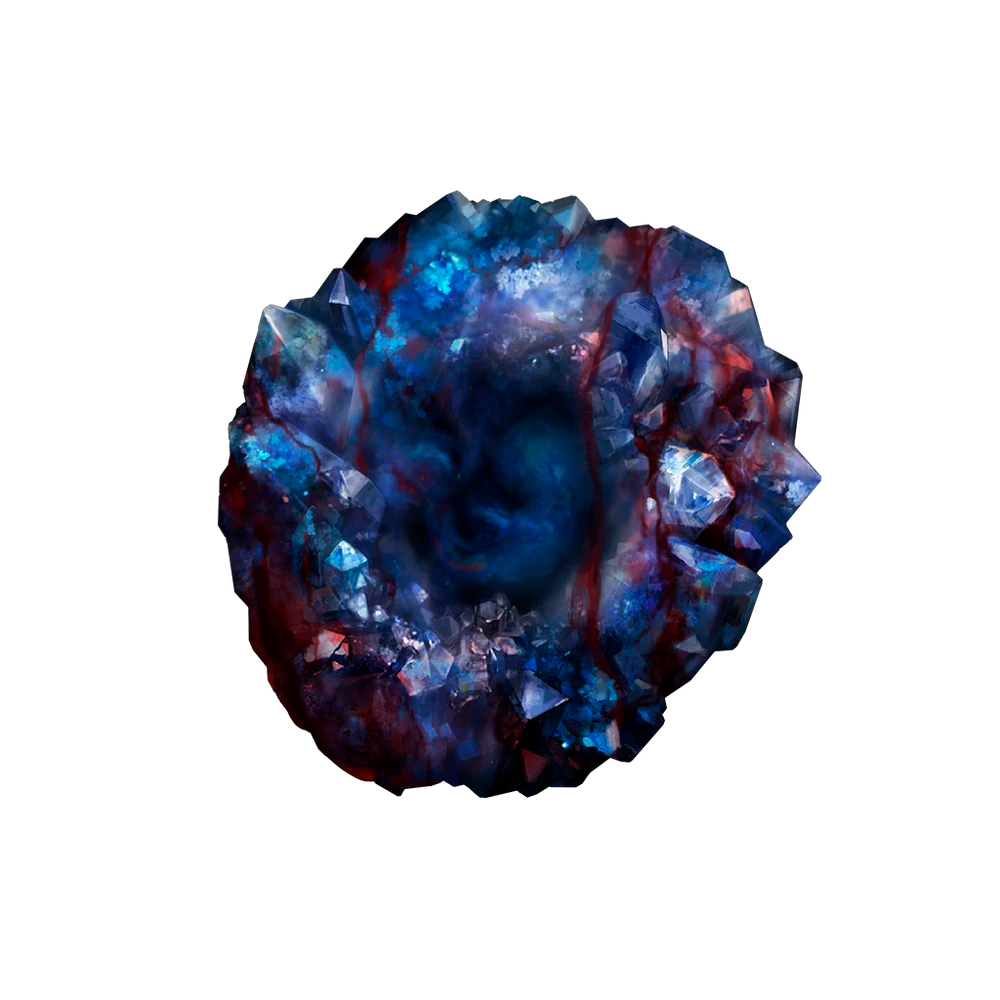
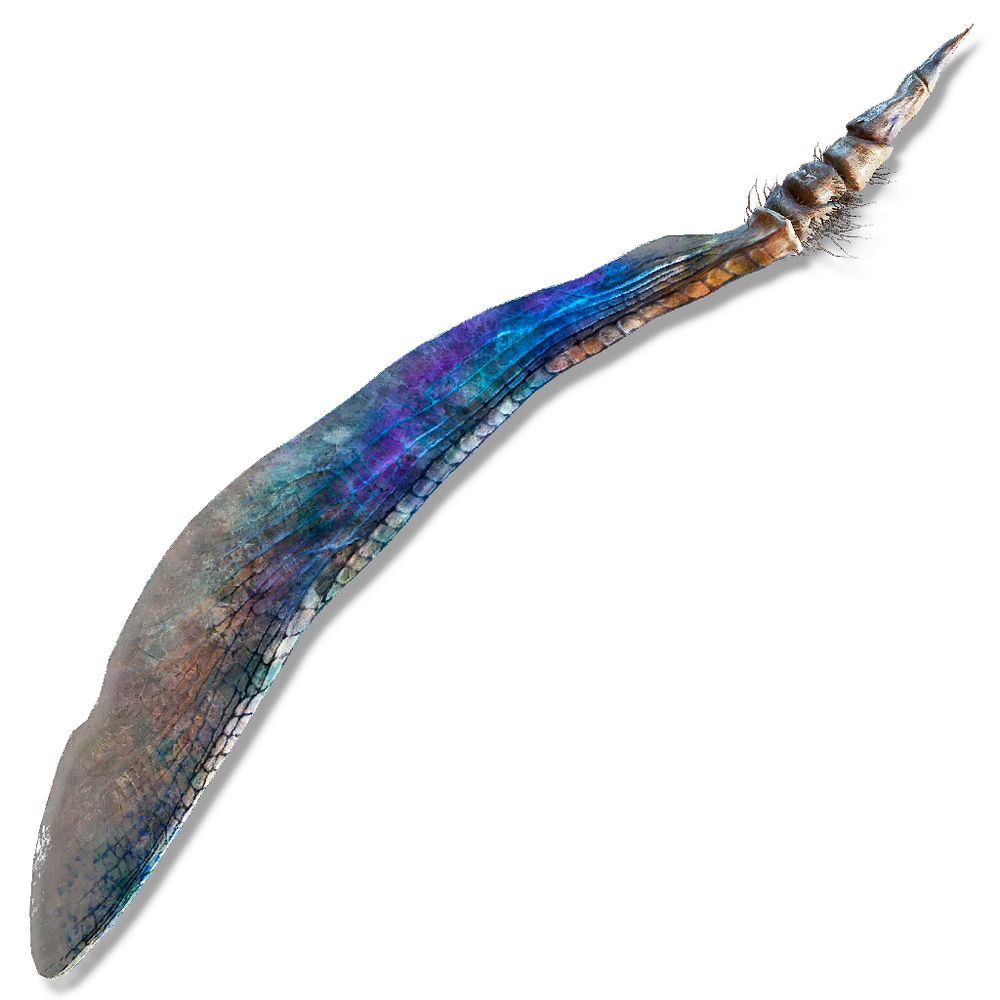
speaking of astel, naturalborn11 of the void, he is one of four individuals who have what can only be described as “primeval” colored eyes:
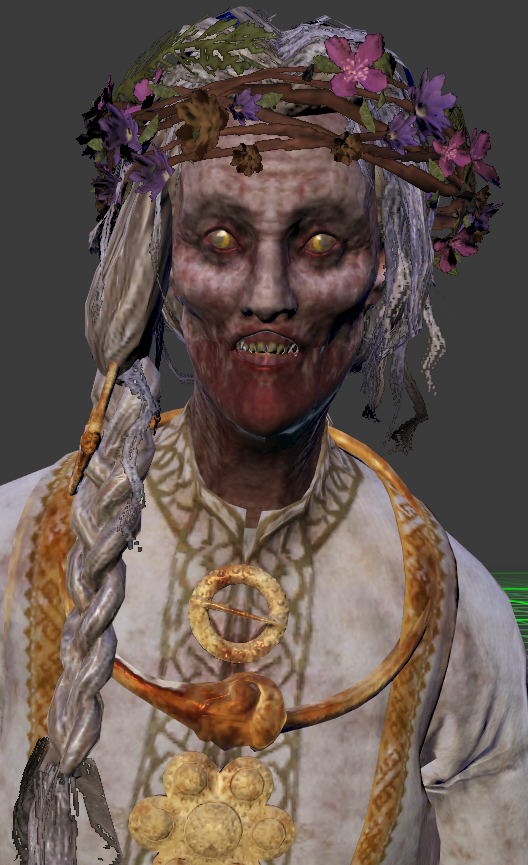
- the revenant, who was animated by the night’s rain in nightreign. note the color of the flowers in her hair!
- the fallingstar beast, whose title is rather self explanatory: they are a “star” (meteor) that imbued life to the stone it landed on. the fallingstar beasts also originate from the “lightless abyss”.
- for some bizarre reason, the ancestral followers. this was quite a shocking discovery and i still don’t know what to make of it. a vast majority do, however, live under the “false night sky” of the eternal cities (who were, as a reminder, awaiting their “lord of night” and the age of stars).
food for thought: if marika’s grace of gold resides in the eyes of her followers, can The Night reside in eyes as well?
|
|
|
|
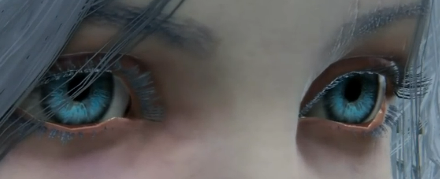
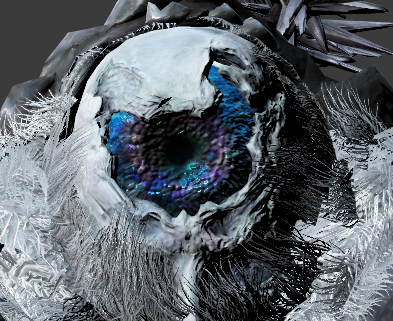

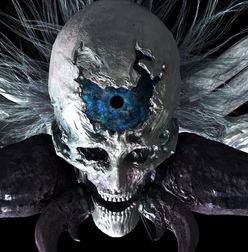
all this to say: the primeval is stars, stars are night, and the night is marching toward some dreadful end.
and this brings us back to nightreign and heolstor’s moon greatsword.
|
|

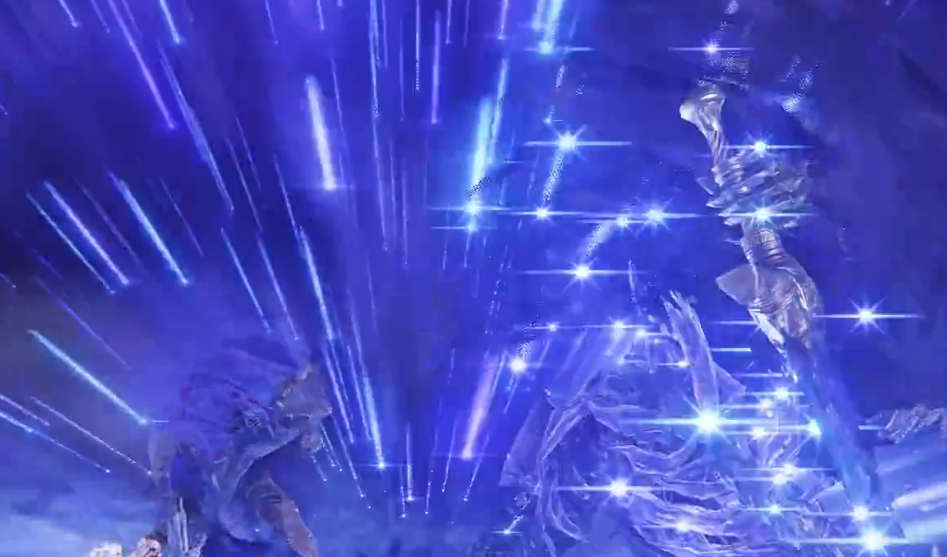
it would appear that the sword is powered by the primeval current, and yet, a moon greatsword must have a moon. the moons we seen in the sky of elden ring are all accounted for…save for one: the black moon of the eternal city of nokstella.
This talisman represents the lost black moon. The moon of Nokstella was the guide of countless stars.
the black moon of nokstella does not appear in elden ring as it was evidently shattered. from the memory stone item description:
A black, lightly beguiling stone. Prized by the sorcerers who produce them.[…]
Said to be a fragment of the black moon that once hung above the Eternal City.
the memory stone fragment resembles waves on dark water, lending us some idea of the moon’s qualities and intertwines it with the previously established concepts of the aquatic relating to the stars, The Night, and to death. it evokes the memory of the nightreign opening with the split ocean consuming the light of the world.
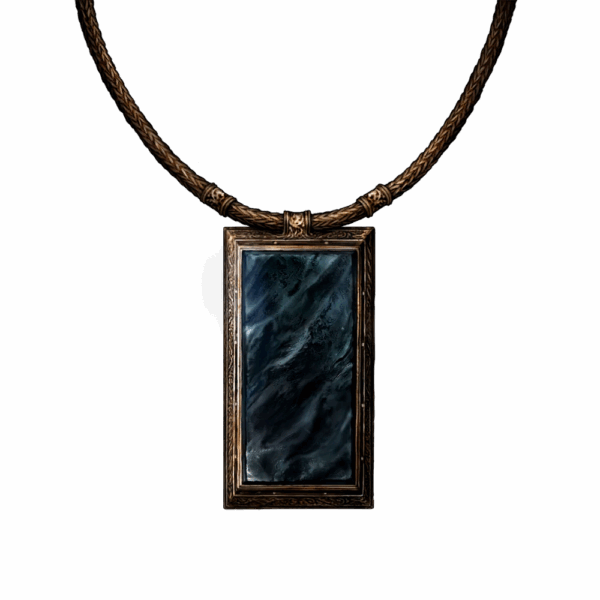 a memory stone.
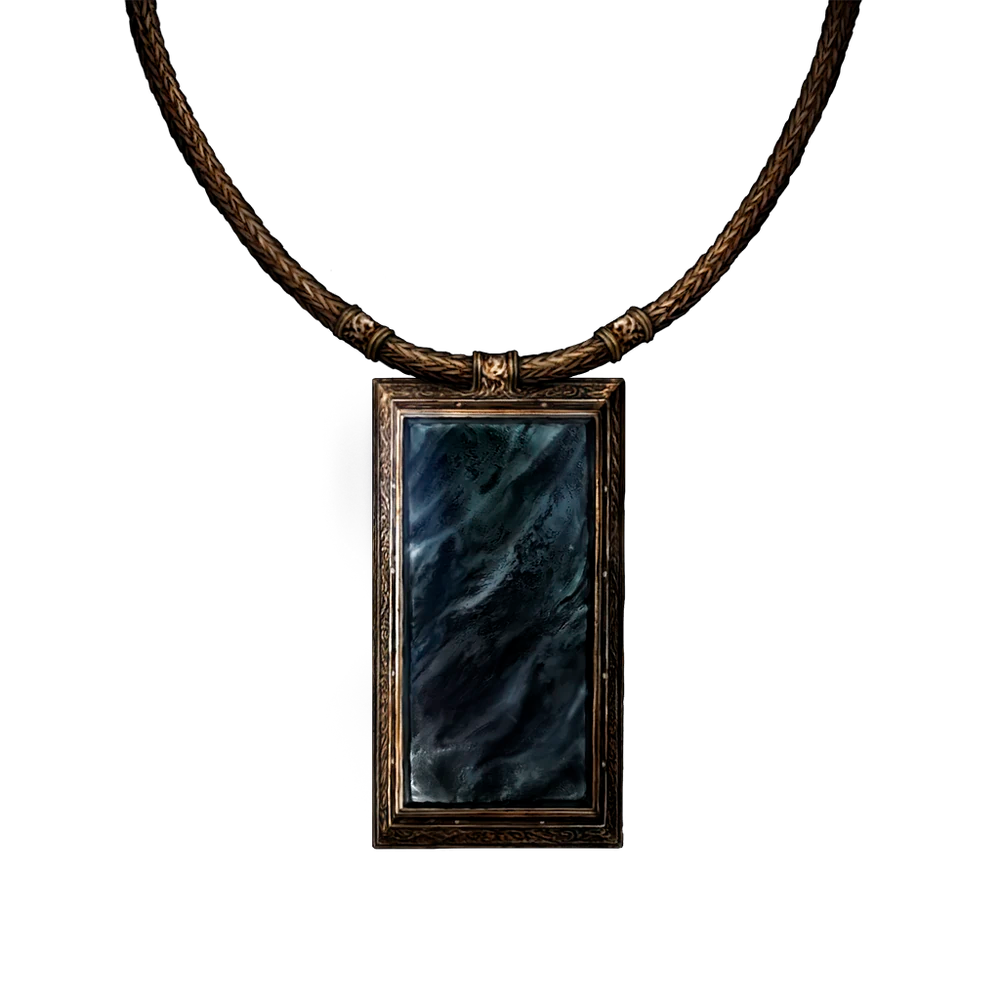
theories regarding the black moon of nokstella are many and varied, but one in particular continues to bubble to the surface.
the night sorceries
the nox city of sellia makes a point of driving home its connections to the eternal cities: it is the only location topside that features the aforementioned chair-crypt, which is protected by a nox monk and swordstress. the item description of the monks and swordstresses’ armor explicitly establish the relationship between the nox and their desire for a lord of night. sorcerer lusat, who discovered “stars of ruin” and was banished from the raya lucaria academy for his interest in the primeval current, hails from sellia and his unique staff is kept within its chair-crypt.
sellia is a town of assassins (though some are enticed into joining raya lucaria via the olivinus conspectus, presumably because lusat was the founder of the conspectus). their spells revolve around stealth attacks via invisibility. these spells are differentiated by their dark blue coloration when cast. at least one sellian lived in secret on the altus plateau in the invisible mirage rise, leaving behind spells that turn the caster and their weapons completely invisible. given that one of marika’s most beloved sons was killed by assassins using concealing magic, sellia and the sorceries it birthed appear to be particularly consequential in the history of The Lands Between.
however, there is one night sorcery that is explicitly forbidden: eternal darkness, described as “a lost sorcery of the Eternal City”, creates a miniature black hole that absorbs projectile spells. this sorcery is “the despair that brought about [the eternal city’s] ruin made manifest”.
 eternal darkness.
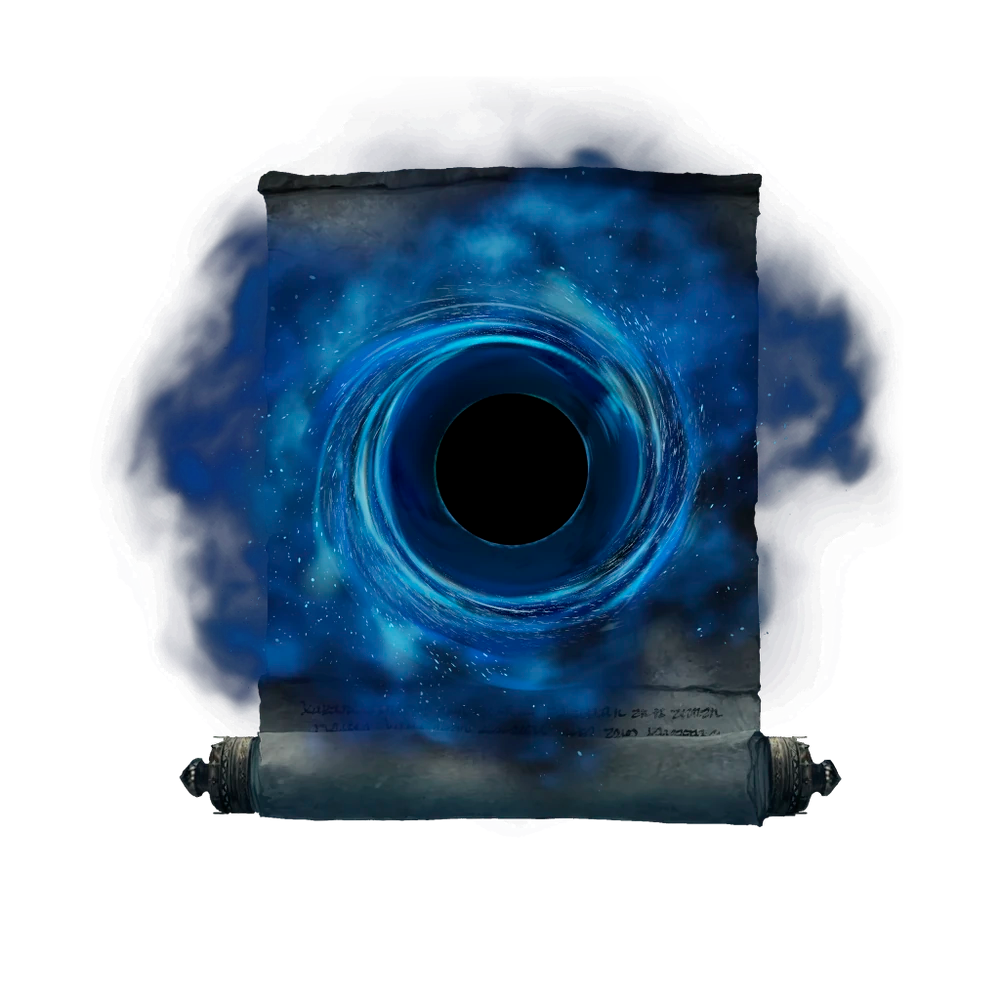
the lightless abyss
 the nightlord’s arena.
the “lightless abyss” is a location mentioned obliquely in several item descriptions, but knowledge of its existence is often cited as the cause of mind-rending madness and terror in those who come to comprehend its true nature. the great sorcerers azur and lusat, as well as the demi-human swordsman yosh, went mad upon realizing that the abyss was the final destination of the “procession of stars”. The Greater Will is said to occupy the lightless abyss and, when displeased, sends alien beings composed of ruined star debris from the void back into The Lands Between to wreck havoc. these representatives of The Greater Will, called “Astels” (who were previously noted for having primeval-colored eyes, linking them to The Night), caused stars to explode, sent out waves of darkness to level buildings, and summoned meteors from dark portals.
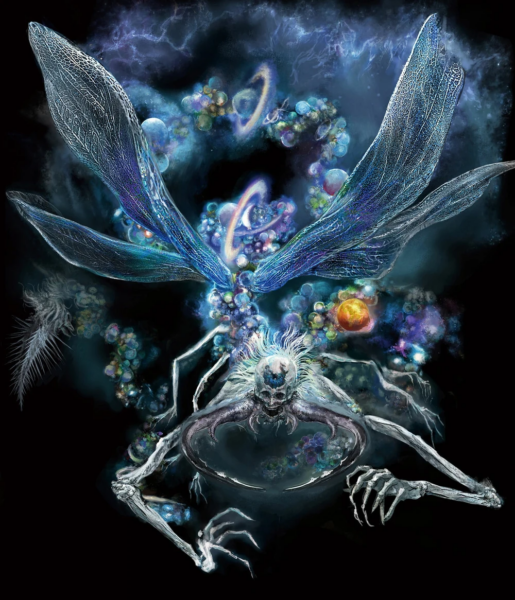 astel’s concept art, demonstrating how his body is made up of star debris. a side note: astel features many of the hallmarks of being crucible touched: horns, wings, a barbed tail, wispy white hairs, etc. not important, but interesting!
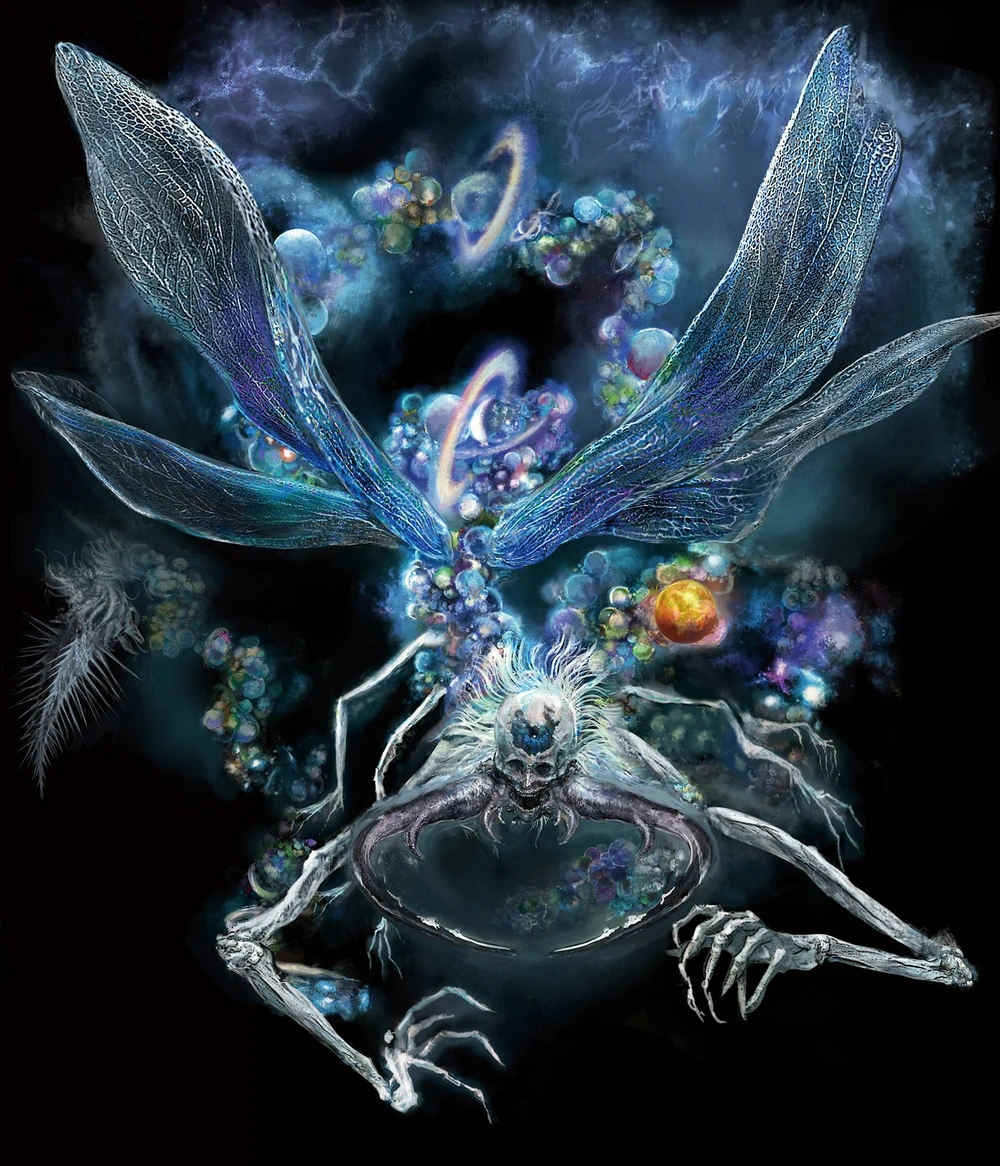
wormholes and black holes are theoretically linked in real life, so perhaps the black holes of elden ring function in a similar manner. the procession of stars is drawn toward The Greater Will’s resting place and, in return, the greater will spits out their ruins as horrible beasts. hypothetically, the dark moon of nokstella could have been one of these portals. after all, the moon was described as “the guide of countless stars”. however, i concede that the decidedly physical nature of the remaining shards of the black moon makes this interpretation suspect. but the nox are known for their replicas and mimicry, so it’s not impossible to imagine that they would construct an artificial “moon” to assist in their dream of bringing about “the age of stars” in the same way that they attempted to create their own artificial lord of night.
what does it mean for The Greater Will, if it is known to reside in the aforementioned lightless abyss of a black hole? i think there are two interpretations:
1. The Greater Will is a black hole and embodies the concept of willpower by acting as the ultimate cosmic force that pulls everything in a galaxy toward it.
2. The Greater Will was devoured by a black hole and died. this is one reason why metyr (the original intermediary for The Greater Will) and her fingers no longer receive information from The Greater Will.
maybe its both! i think this is, at least, decent proof of the nature of the lightless abyss and an honest attempt to decode the oblique nature of the black moon of nokstella.
to bring us back on topic: in heolstor’s second phase, the skybox changes to a flurry of stars succumbing to the pull of a black hole.
the black of night
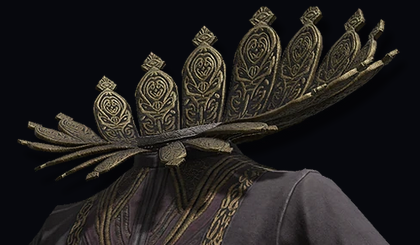
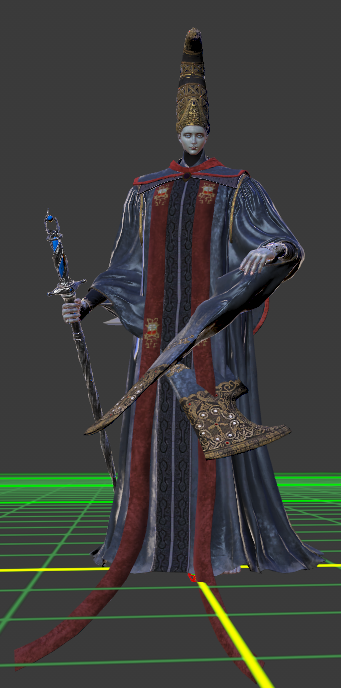
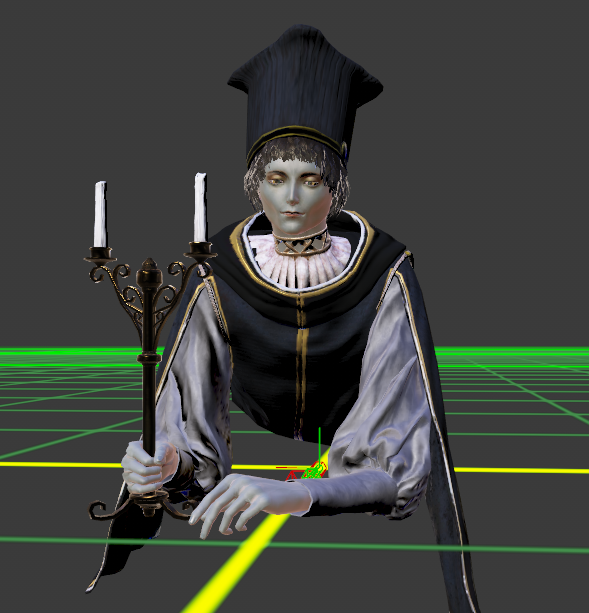
the shadow of the erdtree dlc introduced the cathedral of manus metyr, which was once aligned with the carian royalty. count ymir, who watches over the cathedral, previously instructed rennala’s sister rellana in sorcery before abandoning his allegiance to the moon in pursuit of the primeval current. ymir’s clothing (and the armor of his swordhands jolán and anna) reveals that he has come to align himself with The Night, specifically the darkest night of the lightless abyss.
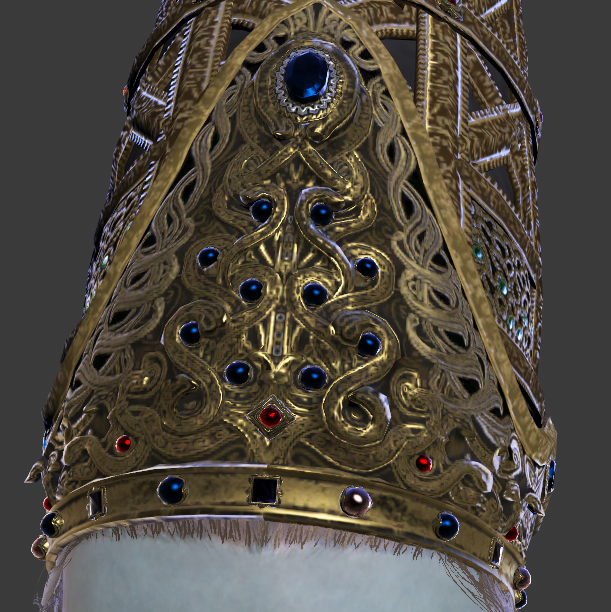
1. ymir’s high priest hat features a “circular design at the top represent[ing] the Greater Will and its lightless abyss”.
2. the most notable accessory of the high priest robes is the “jewelled ruff that sparkles like a flower wet with dew”, a visual reference to the DLC exclusive dewgem, which is a “succulent plant that has supped on night-tinged dew[…]and blossoms mainly at the waterside”.
|
|
|

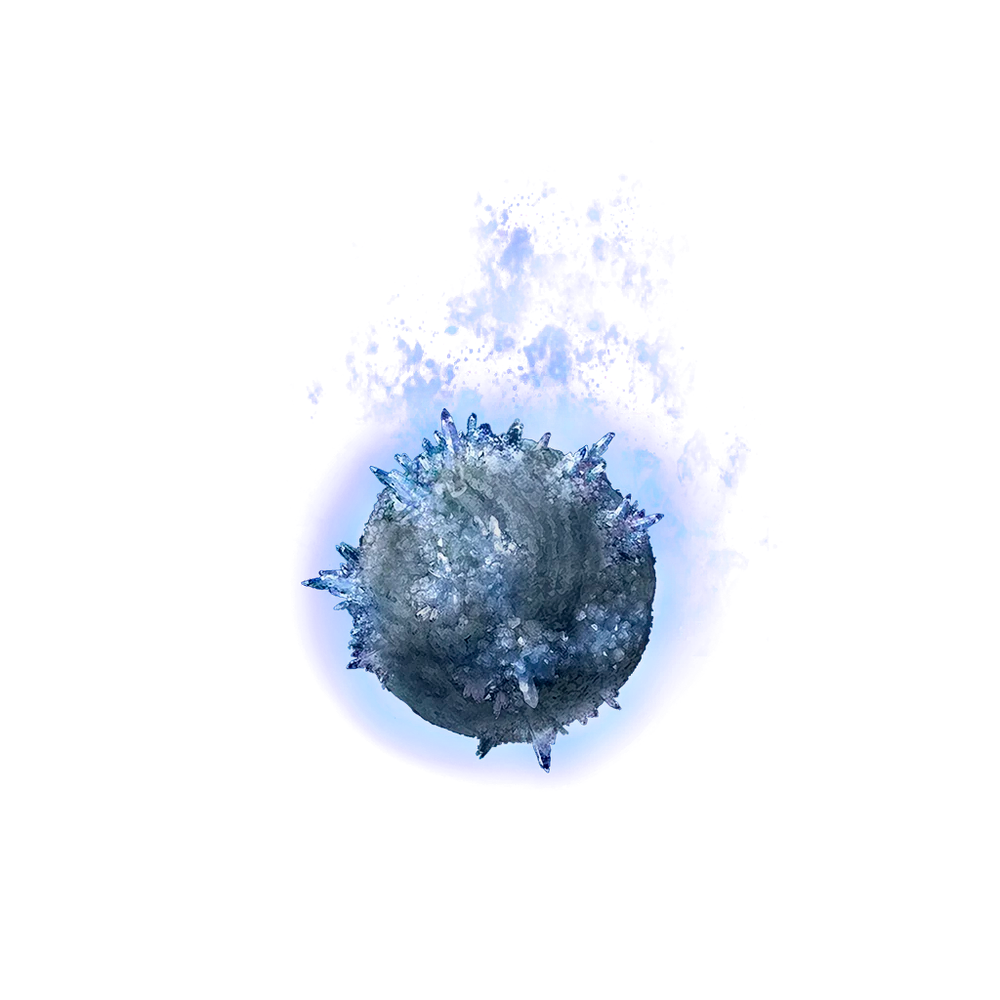
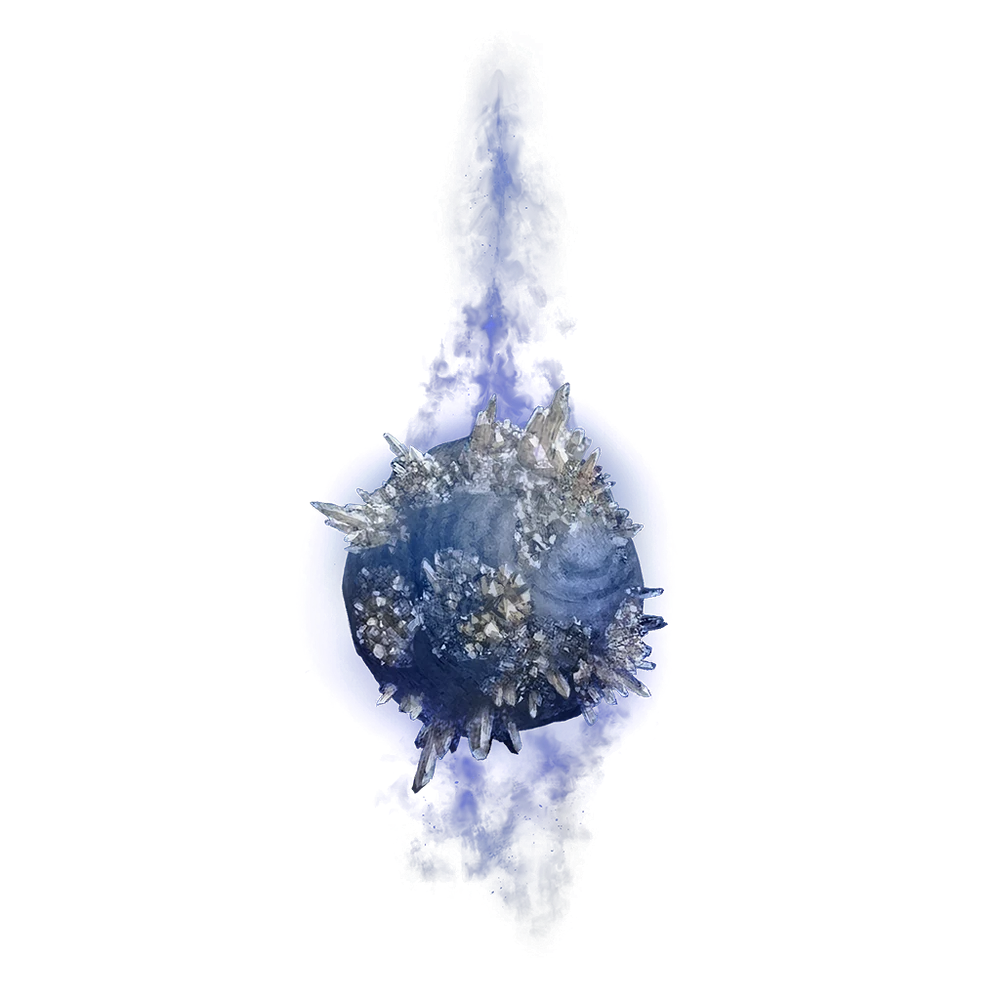
3. ymir’s bell bearing, dropped after he dies, is unlike any other sorcerer’s bell bearing. it is completely enveloped in the blue-black miasma of night.
|
|
|

4. after progressing his quest, ymir makes a number of pointed mentions regarding the darkness of night:
“The stars are dark tonight.
But rest assured, this is no ill omen
[…]This evening is a sign, of a greater night to come.”
5. ymir’s previously mentioned goons, jolán and anna, wield armaments described as being made from “a bottomless black from which no light can escape12“. both were born and raised in the frigid bonny gaol of the scadulands “where they were raised, deprived of light, to be Swordhands of Night“. we can reasonably assume the specific gaol was the bonny gaol, as the boss of the gaol (as a result of losing a loved one) casts darkness,13 a two fingers spell that creates a “darkness that is without grace”. additionally, a third armor set can be looted from the gaol that matches both jolán and anna’s.
6. speaking of darkness, after defeating jolán and ymir, you can choose to give jolán a iris of grace or an iris of occultation. if given the grace, she becomes a spirit ash with this description:
Though it was not by the shining star that she had longed for, thus was her Night illuminated. But this was an at times blinding light, and threatened to expunge the Night entirely.
if given the iris of occultation, which is “as dark as night” and “den[ies] […] light in all its forms”, you get her sword and this dialog.
No light…anywhere at all…
This is the night I know. Our Night…
7. jolán and anna’s armor is “bestowed upon those born deep underground”14 and is described as “bottomless black […], cool to the touch” with the purpose of “imprison[ing] the wearer in utterly lightless dark”. finally, “flowing lines in the seeming shape of a fingerprint adorn the surface”.
and indeed, the armor is covered in fingerprints. but there is one print on the chest piece that resembles something that is going to make everyone groan in agony at the same time: the godslayer incantation sigil of the gloam-eyed queen’s apostles.
|
|
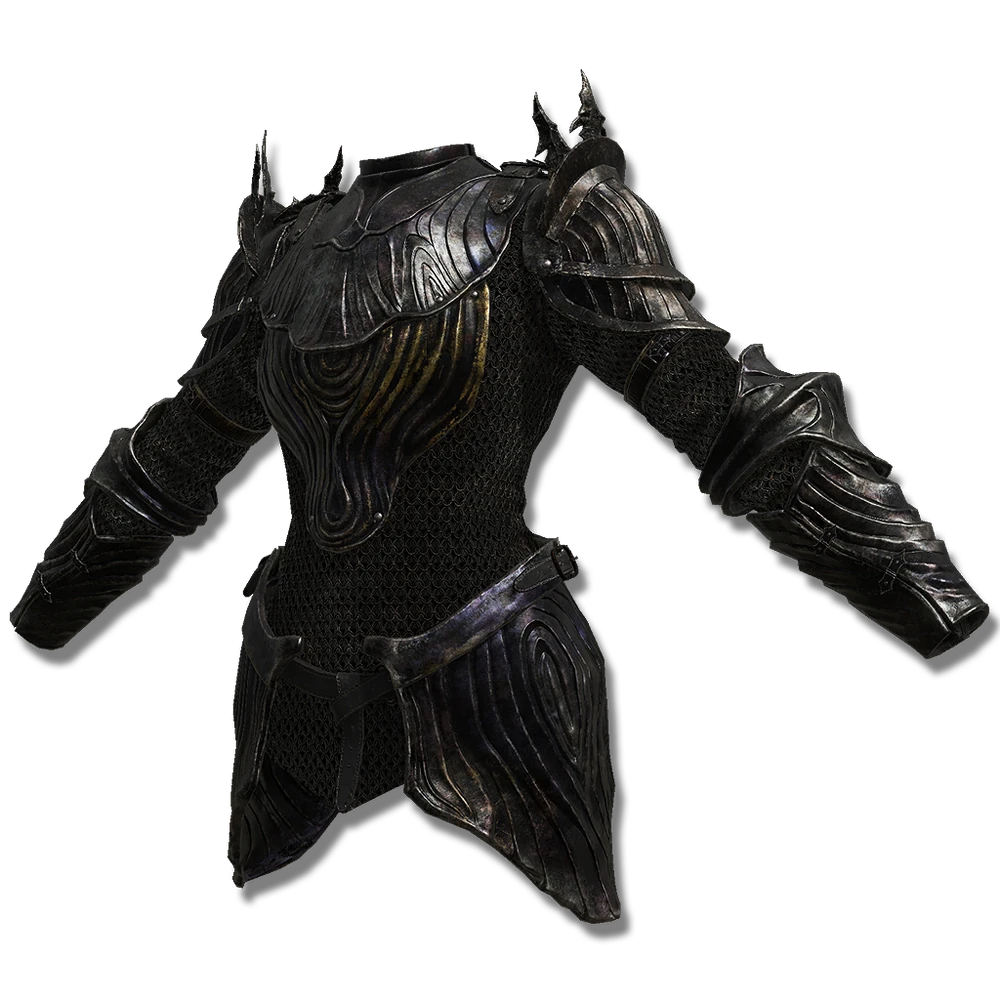

we don’t really have time to get into this (intriguing though it might be), so let’s just talk about the other thing it resembles: the head of metyr, mother of fingers.
metyr, mother of fingers
we previously discussed metyr about 6000 words ago: she was wounded by the nox when they turned the fingerslayer blade against her, severing her connection to The Greater Will, which in turn caused The Greater Will to call down astel to destroy the nox. metyr’s tail-fingers clutch a simulacra of the lightless abyss and her OST contains the sounds of an image of a black hole created by NASA. she can channel the lightless abyss in the form of a gravity laser resembling a pulsar that hums and crackles with the sounds of space.
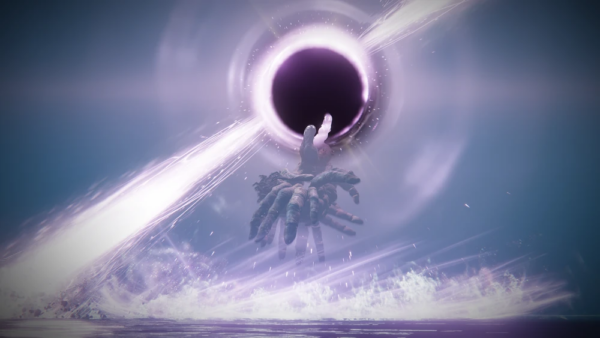 metyr’s phase 2 black hole.
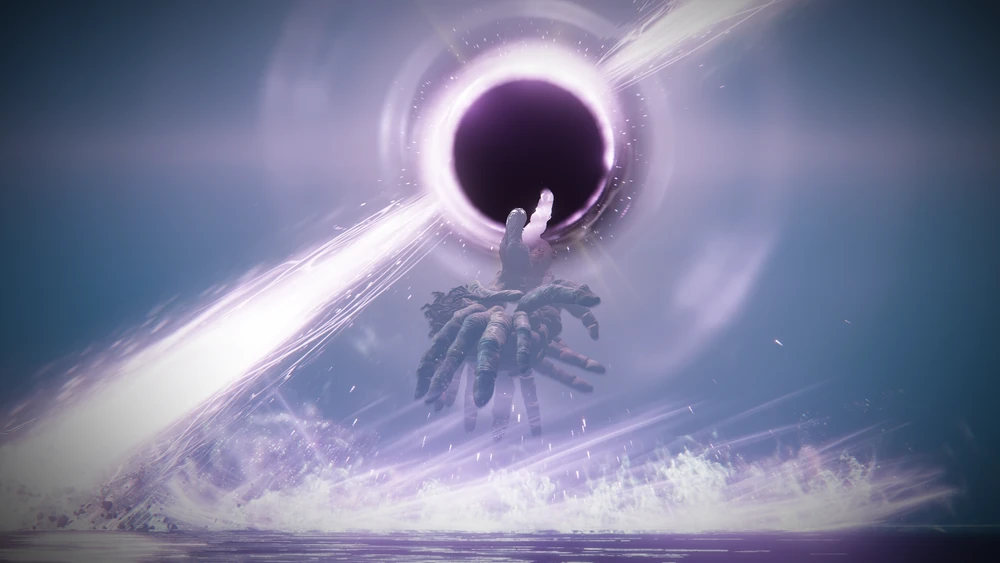
for some reason, people are under the impression that metyr escapes through the black hole she clutches on her tail feathers upon defeat, despite the fact that 1. if that were true she could have done that at any time to escape imprisonment/abandonment 2. you literally see her go limp and dissolve into little white death particles like every other boss 3. it is described as a simulacra. i believe what is actually happening is that the microcosm/black hole is succumbing to gravity and collapsing with the death of metyr, who can no longer clutch it.
regardless, that is one of the long connective threads between the night, the carians, the nox, the fingers, and (eventually) heolstor.
fingerprint whorls and darkness
this is an odd point of connection between the two games that doesn’t really fit anywhere else: as time passes in nightreign, a group of giant figures sporting a glowing, blue tree in their empty chest and head cavities will slowly march through limveld as the night advances. these giants sport unusual fingerprint patterns not dissimilar to the swirls on the sword of darkness, which produces an inky, black, swirling miasma, true to its name.
|
|

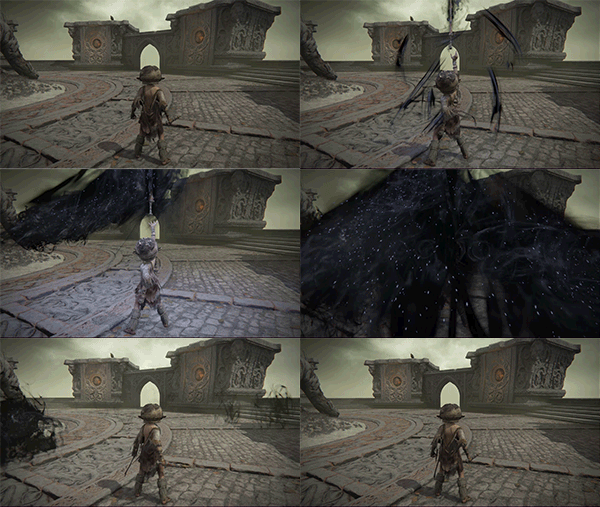 the “darkness” skill of the sword of darkness (source)
the carians and night
there’s a few notable moments with the carians i think need to be addressed before we totally switch gears and get back to nightreign. we must discuss the “nights” of lunar princess ranni and her mother rennala, queen of the full moon.
during rennala’s phase 2 cutscene, the amber egg she drops (a gift from her former husband before he left to become marika’s consort) begins to erupt with what we can now recognize as “night” (almost identical to the blue-black that spills into the ocean during the nightreign opening).
 rennala crawls toward her egg, which emits a twisting spiral of darkness.
ranni invites you “…to send word, far and wide. Of the last queen of Caria, Rennala of the Full Moon. And the majesty of the night she conjureth”. phase 2 rennala’s arena is a surreal plane of shallow water and a night’s sky illuminated by rennala’s full moon. this was to be rennala’s vision of night, had she not been driven mad by grief.
|
|
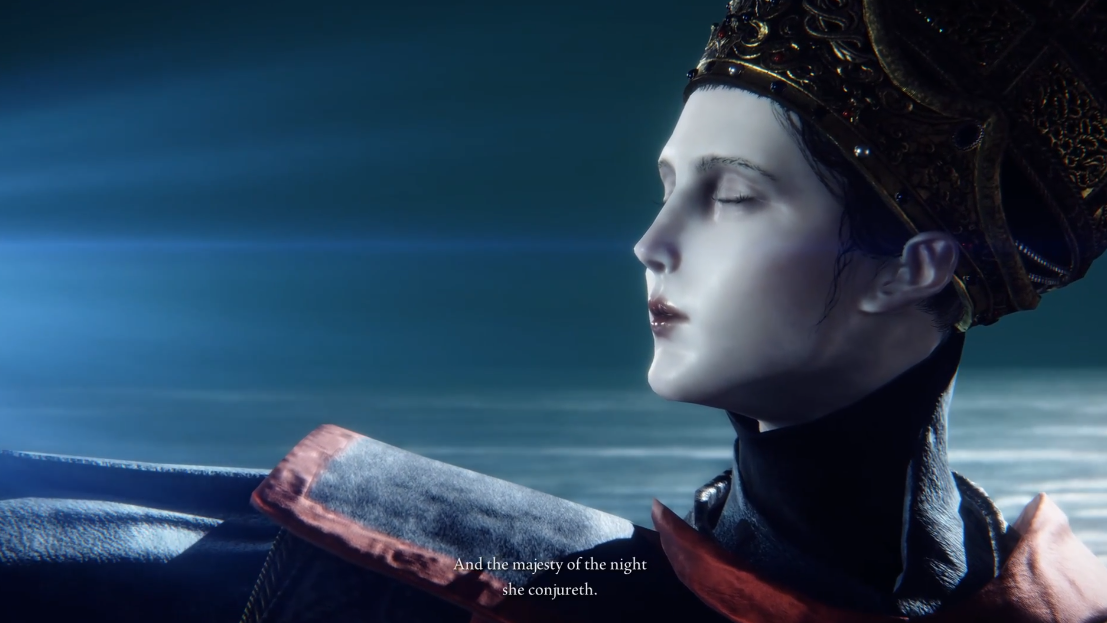
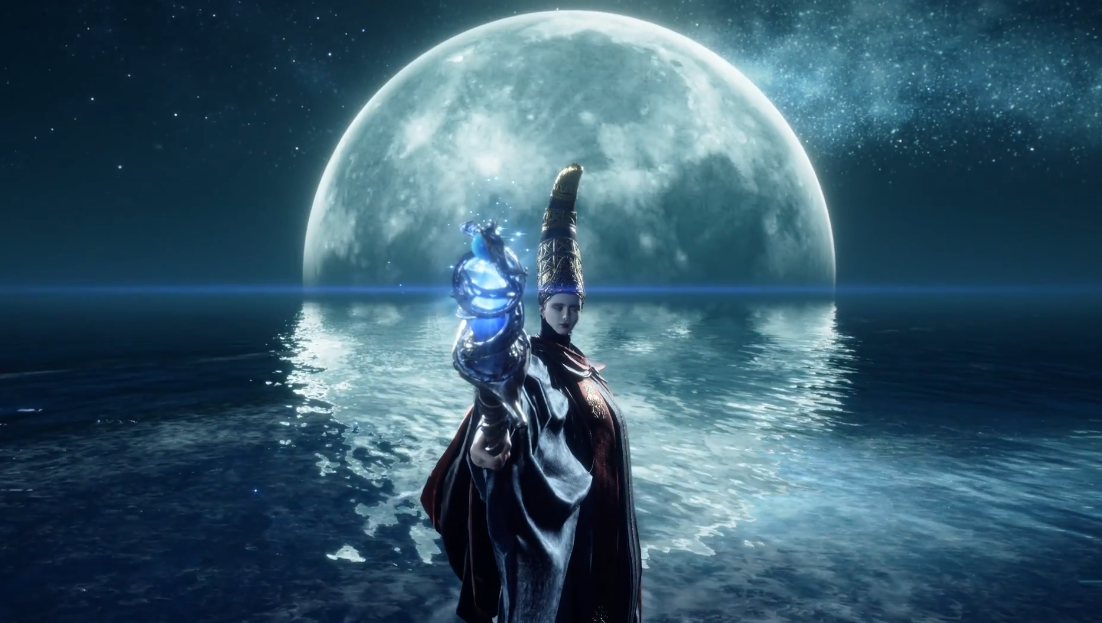
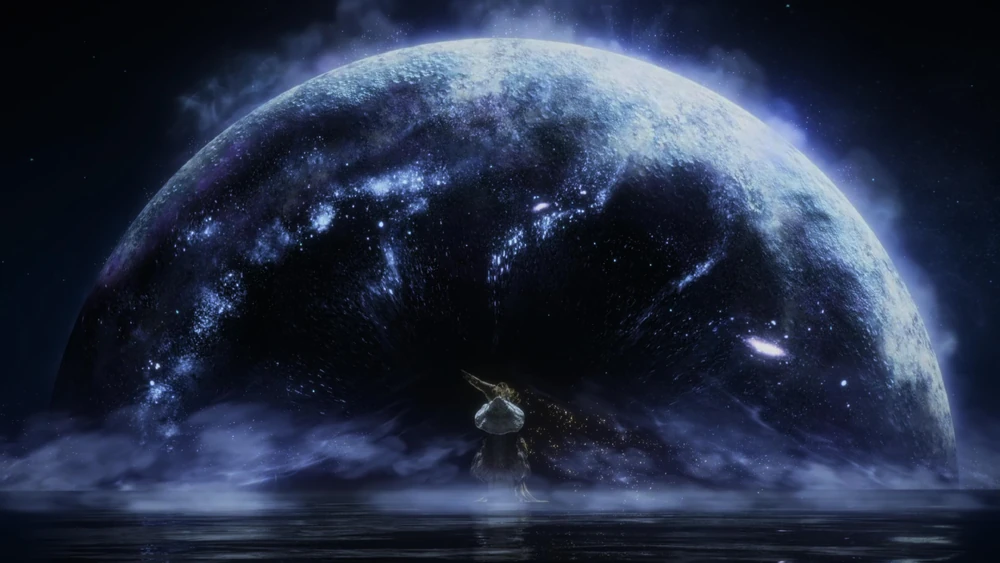
conversely, we also get to see ranni’s night, if we choose to side with her during “the age of the stars” ending. this is a colder, darker night, but one far removed from the influence of the elden ring. both rennala and ranni’s vision of night maintain the influence of the moon and the stars. we must assume that heolstor’s night is more akin to the one envisioned by ymir: one devoid of light and celestial bodies entirely.
 ranni and her dark moon, wading through a thin pool of water, much like her mother.
a side note about the night’s cavalry
after all that overthinking about the swordhands of night, it would be remiss not to mention the existence of the night’s cavalry, especially since they have a semi-prominent role in nightreign as bosses that precede the appearance of their commander, the fell omen. however, i am not sure the night’s cavalry plays into the ideas i previously laid out; instead, i propose that they are so named because they exist as stark opposition to the light of the erdtree and marika’s grace. they are positioning themselves as a thematic juxtaposition to the tarnished who are guided by the light of grace. also because they only come out at night in elden ring, lol.
the nightlords
heolstor’s existence called forth the nightlords, the final bosses encountered at the end of each run of nightreign. each nightlord drops an item called a “relic” that affords us a tiny glimpse into their lore and their relationship to The Night. in order to reach the nightlords, the nightfarers must be lifted up to the interior of the twisting silver (!) trees that grow and weave over the course of the three days they spend in limveld15, which grows and supports a structure that strongly resembles both the divine towers of elden ring and the door leading to the interior of the erdtree.
 the spirit shelter. “Wrap one’s arms together and hold them up to the heavens[…]. The spiral is a normalized Crucible current that, one day, will form a column that stretches to the gods.
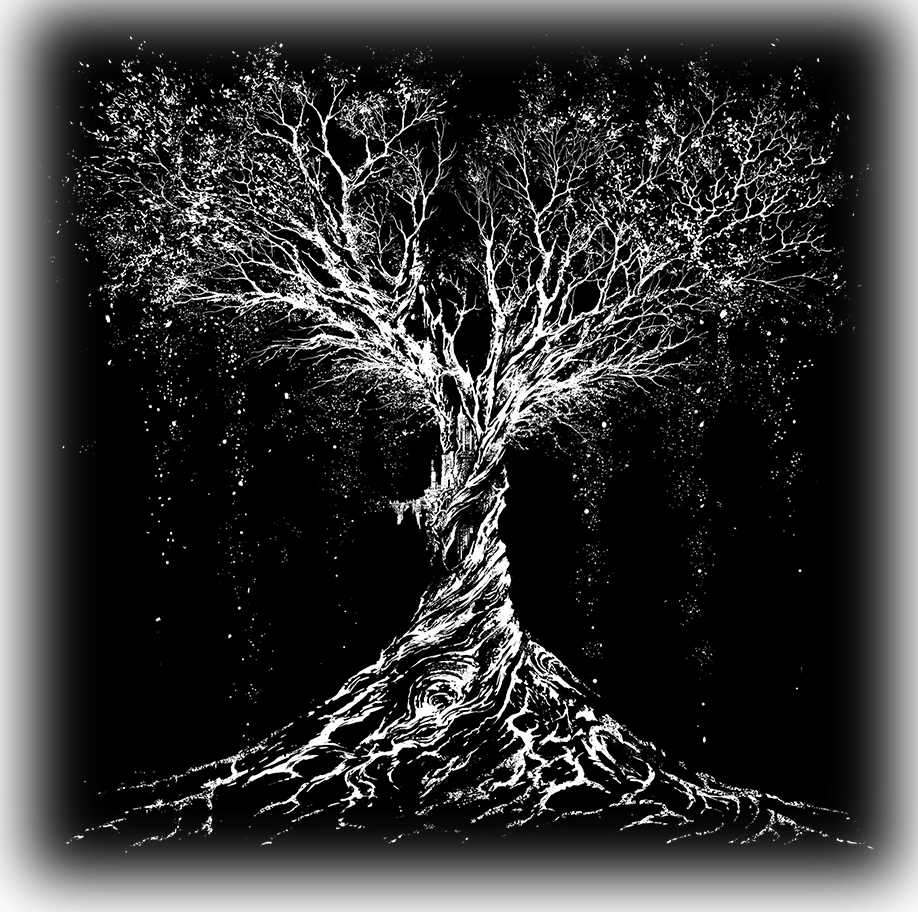
let’s go over the nightlords. some are quite straight forward, some are completely mysterious, and others are very complex. while doing this, we must remember that the nightlords are both a product of nightreign‘s unique vision for boss battles and, in some cases, unused ideas and assets. they are not totally cohesive, but what we can wring out of them is, i think, intriguing. at the very least, there is more connective tissue between the two games than expected. these strands, i believe, anchor nightreign‘s definition of “The Night” to elden ring‘s.
gladius, beast of night
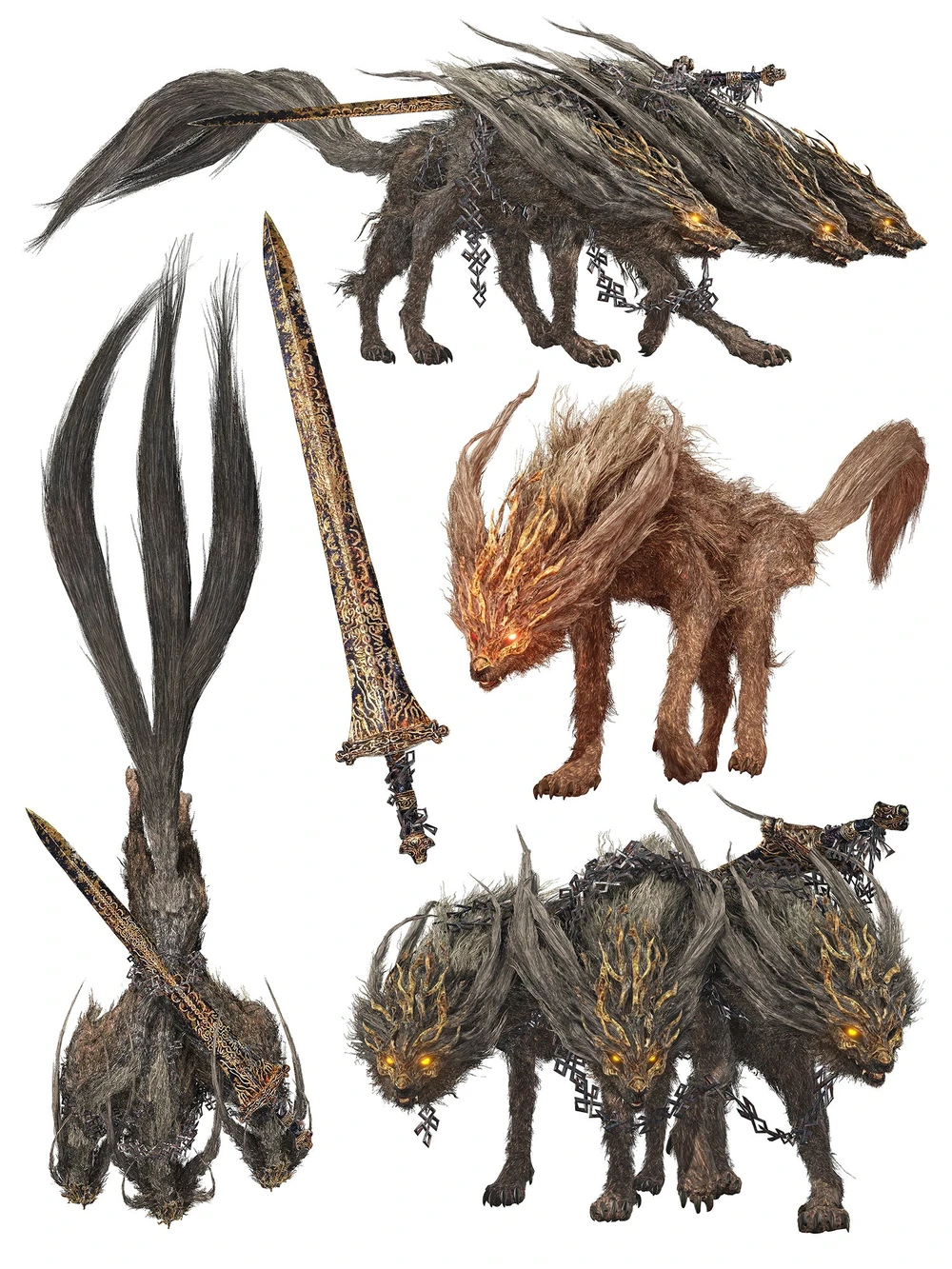
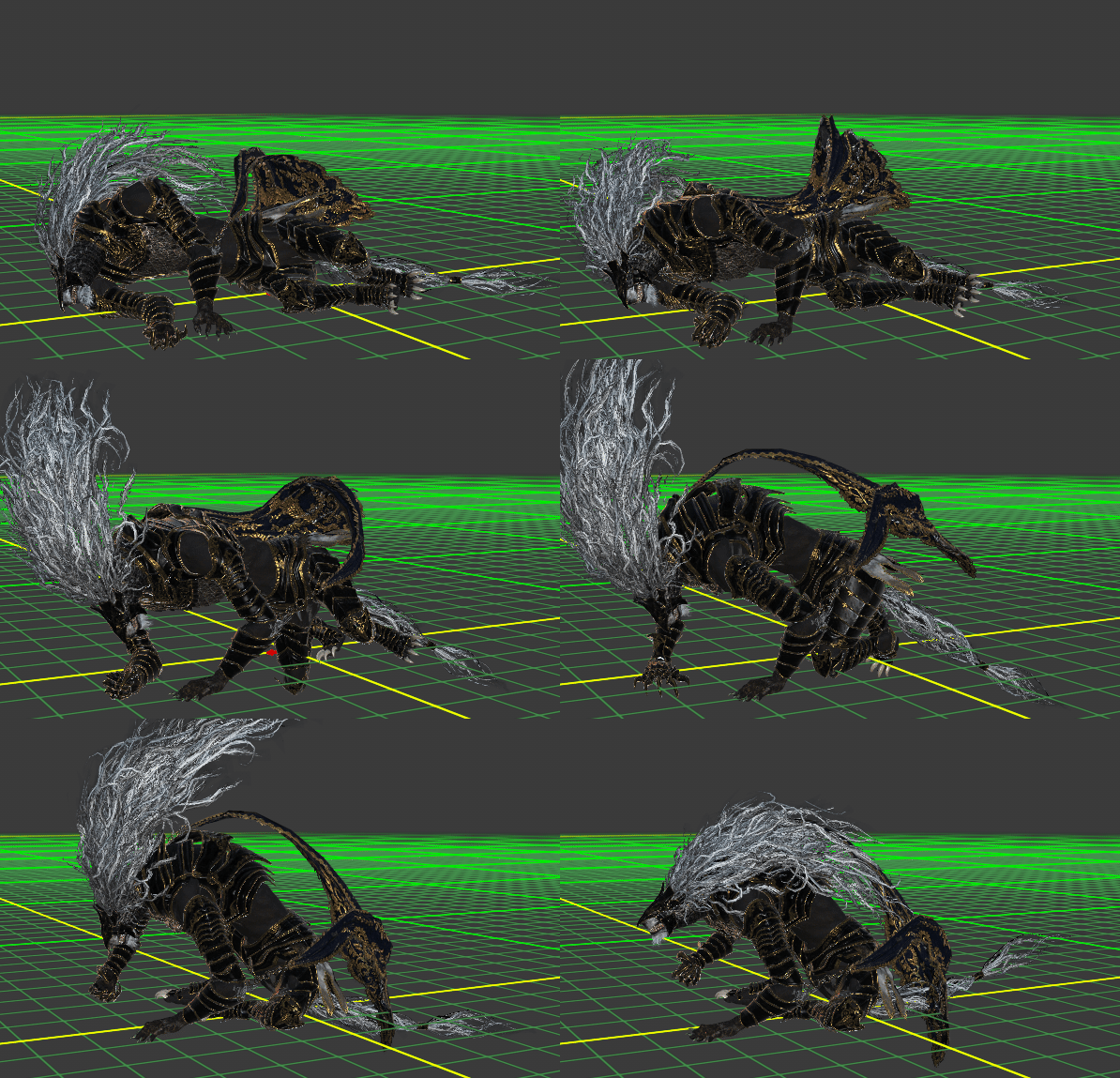
a three headed wolf with a sword16 that splits into three separate wolves during phase 2. this beast carries a lot of lore baggage, as wolves play a prominent role in the history and iconography of elden ring.
first, the wolf is “the beast of the carian royal covenant”; wolves are present on the carian manor grounds and rennala summons a cadre of wolves to aid her in her phase 2 battle. additionally, lunar princess ranni will approach the tarnished early in elden ring, gifting them both a bell for summoning spirits and the ashes of three lone wolves. the wolf ash description reads:
Spirits of wolves chased from their pack. They later encountered a nameless Tarnished, who welcomed them as hunting companions.
gladius’ relic’s description reads:
The wolf pup, born with its three heads, was feared by its peers and driven out of the pack, but its will to live was strong indeed.
Upon a rainswept night, it seized a man’s sword with its great jaws, but he showed no fear. He did not seek to harm the wolf, but instead took it in his arms. It has remained at his side ever since, always carrying that very sword.
i think it is difficult to ignore the similarities between these two tales. while i don’t think gladius is literally the same wolves from the lone wolf ashes, i believe (much like all of fromsoft’s back catalog that was pulled for nightreign inspiration) that there is intended to be a thematic link between these characters, events, and tropes that deliberately invites speculation and association.
there is one more trio of wolves worth mentioning: in crumbling farum azula, in the arena where you fight maliketh, there is a mysterious statue of a young girl surrounded by wolves. the models used for these wolves are red wolves without their manes, but in the concept art, they were intended to be much fuzzier. the identity of the girl has been the subject of heated debate, but one cannot deny that she bears a striking resemblance to the girls in nightreign who “were housed in a place that was meant as an eternal secret” and “were too young to oblige” sacrificing their flesh as part of a ritual to keep the night at bay.
|
|
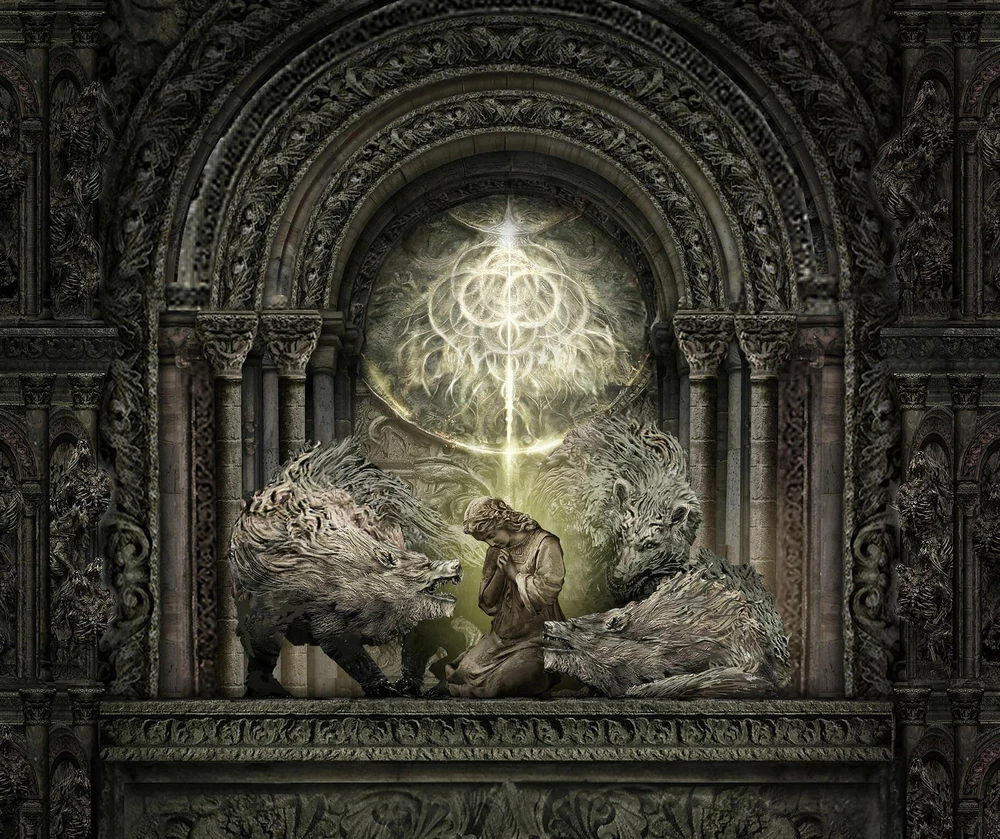
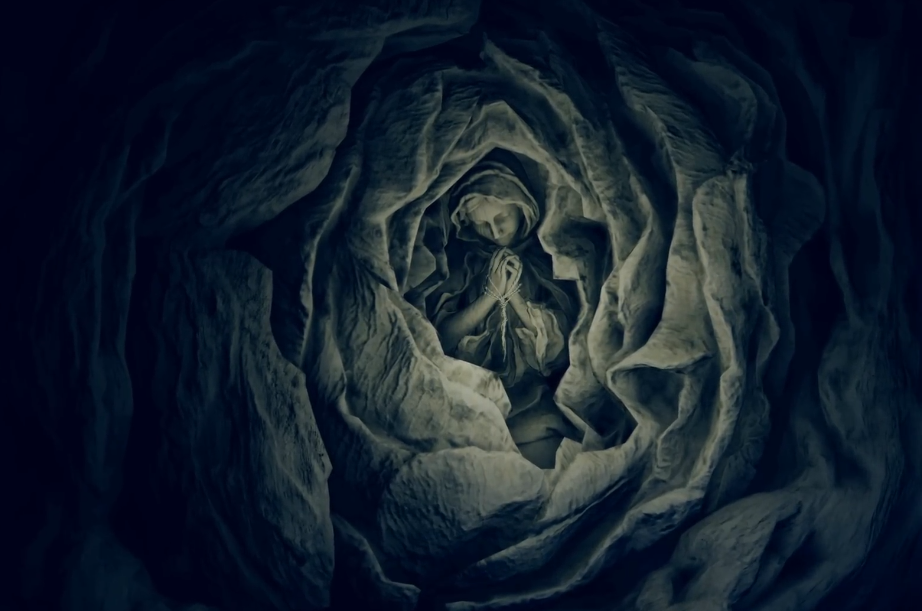
as with many things in fromsoft games, there are no answers here. only more and more mysteries.
adel, baron of night

a dragon so ancient that he resembles a t-rex more than his ancient dragon brethren, adel went mad with hunger after the night’s tide began to fall and grew an oversized, gaping, toothy mouth (heralding back to fromsoft’s roots by evoking the memory of the gaping dragon from ds1). while ancient dragons use red lightning (a result of being primordial and crucible adjacent), adel’s is a deep purple.
the ferromagnetic fallingstar beasts (who originate from the lightless abyss) also utilize the same purple gravity lightning as adel, but with the purpose of pulling up (presumably iron) spikes from the ground. adel leverages this unique lightning in his everdark form to cover himself with these same jagged rocks, as seen above. the gravity stone chunk and gravity stone fan have similar effects and crackle with this same lightning.
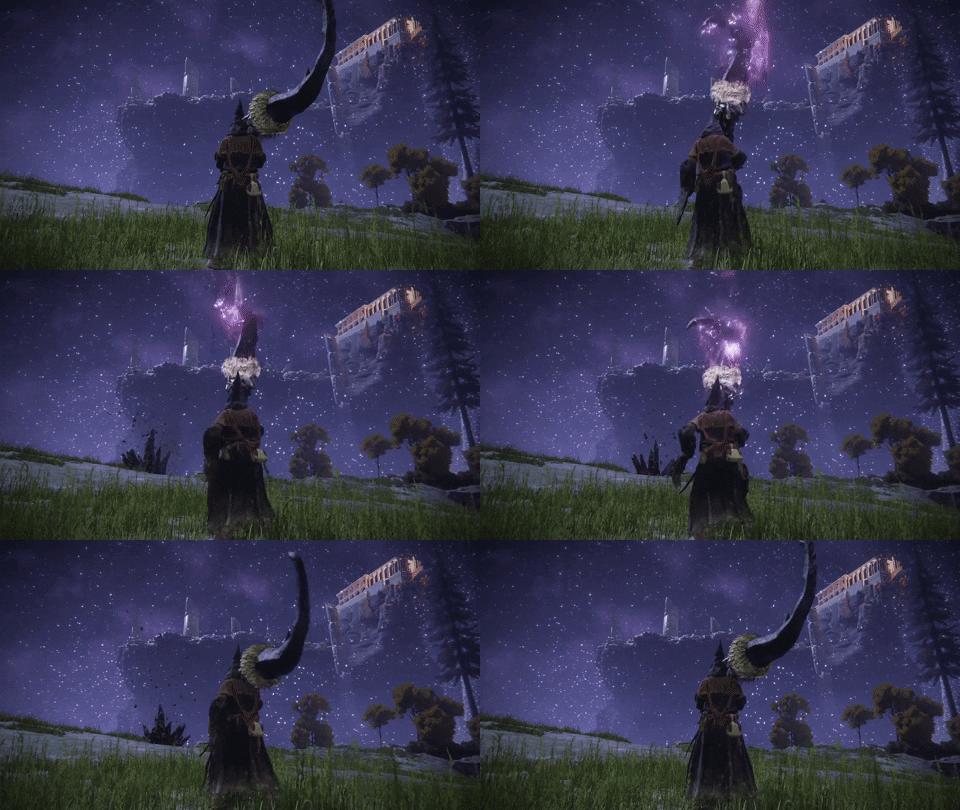 a tarnished using the gravity bolt skill of the fallingstar beast jaw. (source)
gnoster, wisdom of night

this one is strange, strange, strange. it’s actually very straightforward and interesting thematically in the grand scheme of the plot and the repeating motifs between elden ring and nightreign, but not so much in how it relates to The Night (ostensibly, the entire point of this post). gnoster, wisdom of night is the white moth, faurtis stoneshield is the whip scorpion, and (should you choose to fight their everdark form) animus is the translucent, red butterfly.
in elden ring, there is a definitive, three-way split in how the “self” is defined:
1. the body, your physical form and flesh. this is what carries the metaphysical aspects of your self. faurtis embodies this aspect.
2. the spirit, which can be found in ashen remains. this aspect can maintain a semi-corporeal form and be called upon as a somewhat autonomous being to fight alongside you. gnoster embodies this aspect.
3. the soul. there are no collectable souls in the base game of elden ring, only the artificial ones created by the nox17. but the dlc has true larval tears, which are described as being “neither flesh nor spirit, but something in between”. animus embodies this aspect (a bit on the nose, lol).
however…they also embody something else. in gnoster’s phase 2, the moth will settle on the body of the whip scorpion and they will begin to work in tandem with each other in a manner almost identical to radahn and miquella at the end of shadow of the erdtree (and by extension, lorian and lothric from dark souls 3). they even have similar attack patterns, especially when animus uses its columns of light attack.
|
|
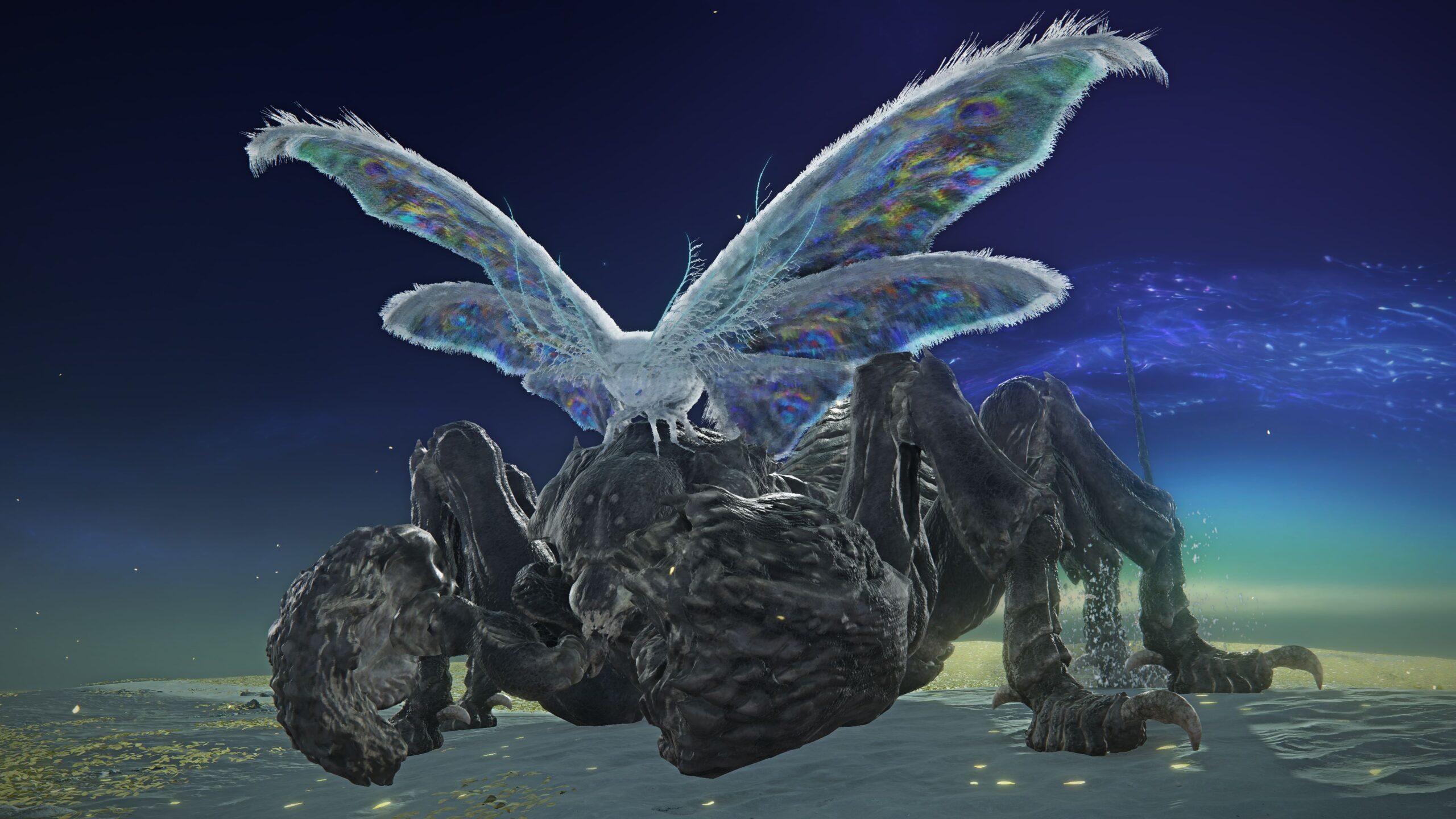
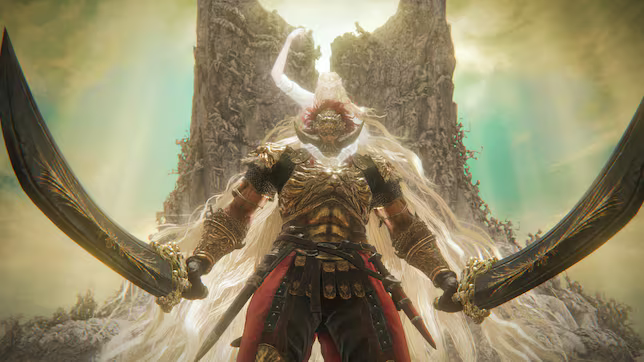
food for thought as to how animus plays into the demi-god’s dynamic. much like miquella and radahn, these bugs realized that the world was dying and in order to survive they would be forced to adapt.
maris, fathom of night

there is no doubt in my mind that maris is a type of star, as its visual similarities to the elden beast are too numerous to be ignored or hand-waved away as coincidence18. described as an “ancient being“, maris was drawn to the night due to its novelty and her presence adds another connection between The Night, water, and, by extension, death. so…let’s dig into that a little.
but before we go too far: if maris is defeated in an overworld encounter in nightreign, the player will get a pop-up informing them that the “master of bubbles” has been defeated. this is notable, as the clay men19 of the ancient dynasty (that occupied the underground before the nox) had a unique bubble sorcery. these bubbles were used to “search for lost oracles“; maris’ title, for what its worth, is the augur.
death and water
we are about to shift into a fairly long side path here. bear with me.
the most intrusive feature of The Night in nightreign is the “night’s tide” event: when night falls, a harsh, corrosive rain begins to pour over limveld, causing swift HP depletion to any nightfarer caught in the torrent. this storm covers all but a tiny circle ringed by dark blue flames where a boss fight will occur. the night’s tide is the primary antagonistic feature of The Night, threatening to eliminate all life and erode the land into dust.
this is not the first or only time water is associated with death in elden ring. here is a short list, provided to you in the hopes it will convince you of the link between death and water:
1. the most overt example of this phenomenon can be found at the source of death itself in the world of elden ring: godwyn the golden, after his botched assassination attempt, has slowly been transforming into a gigantic, misshapen, aquatic creature.
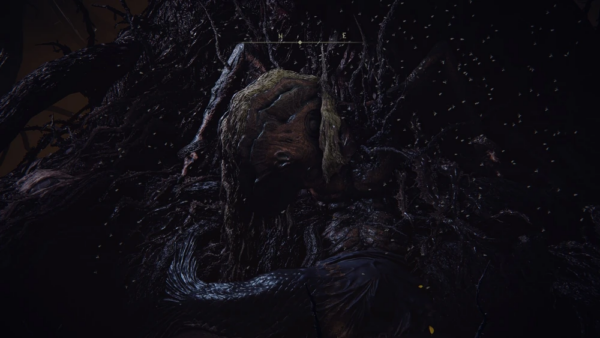 godwyn looking really yucky. note the fish tail and scales at the bottom.
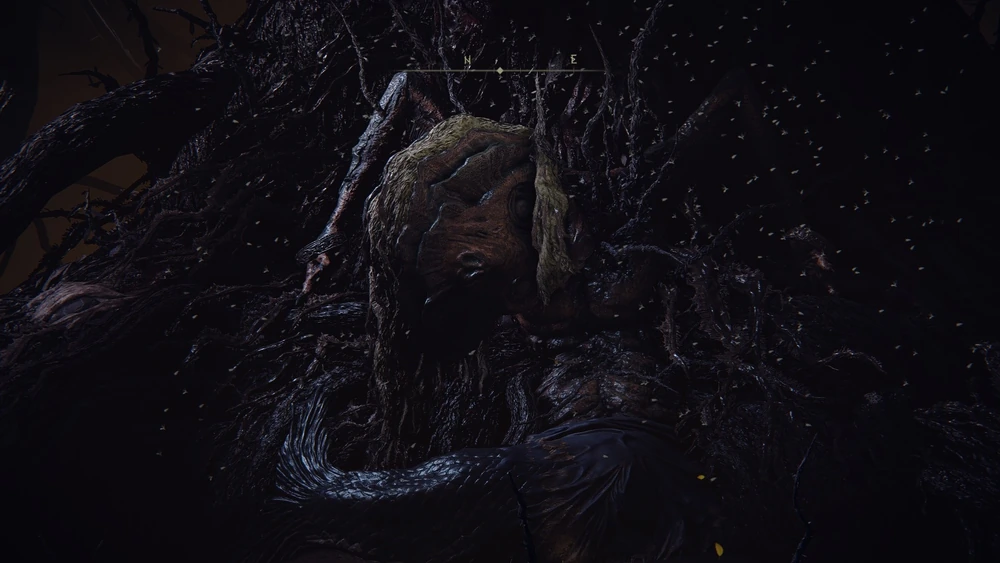
2. tibia mariners are found at sites where godwyn’s death blight runs rampant. the player will likely first encounter a mariner at stillwater village. tibias are the “oldest of gravekeepers”.
3. tibia’s cookbook can be found in charo’s hidden grave, a field of red flowers on the shoreline that collides with the equally death-themed cerulean coast. we’ll circle back to these coasts in a minute.
4. spirits are often portrayed as aquatic animals, such as eels and jellyfish.
with these elements in mind, we can circle back to some ideas we’ve covered: the primeval “current” cascading toward certain obliteration via the lightless abyss, the pools of water that manifest when ranni and her mother envision their nights, the night’s tide, etc.
and now, we have maris, a seafaring creature who summons polyps and jellyfish in an arena styled to look like an ocean floor. to top it all off, she inflicts a sleep status on the player.
sleep and purple
if the mariners tend to water, then the deathbirds tend to the fires. in the time before the erdtree, death was burned in ghostflame, which burned the body but spared the spirit in ashen remains. but there’s an feature of ghost flame that appears to have been altered at some point in the history of The Lands Between: ghostflame appears pale blue and black today, but at one point it burned purple. the grave violet is the sole, objective proof of this phenomenon. this isn’t the first time the color has been removed from something; we previously discussed the draining of the eclipse in this very post.
the deathbirds were once lead by the twinbird, a former envoy of the outer god of death that has since disappeared from The Lands Between. the only depiction we have of this two-headed creature is a vibrant red and blue painted shield. this coloration matches with the dichotomy established by the blue and red feathered branchsword talismans. but now the twinbird no longer roams The Lands Between and, thus, ghostflame has lost its once vibrant purple hue that, presumably, stemmed from twinbird’s dual colors.
 twinbird kite shield.

this also matches with the split between the field of red flowers in charo’s hidden grave and the blue flora of the cerulean coast. at the tip of the pennisula of the cerulean coast lays the garden of deep purple, where saint trina is dying.
trina’s lily, which would induce a gentle sleep, was once white. now that she’s on the brink of death, her lily has turned dark purple and puts you in a coma. she has become (or perhaps always was?) a minor deity of death, albeit a very gentle and pleasant one. but this was forecast in the base game of elden ring before the dlc: trina’s torch burns purple. notably, both of trina’s lilies are explicitly described as water lilies.
|
|
|
|
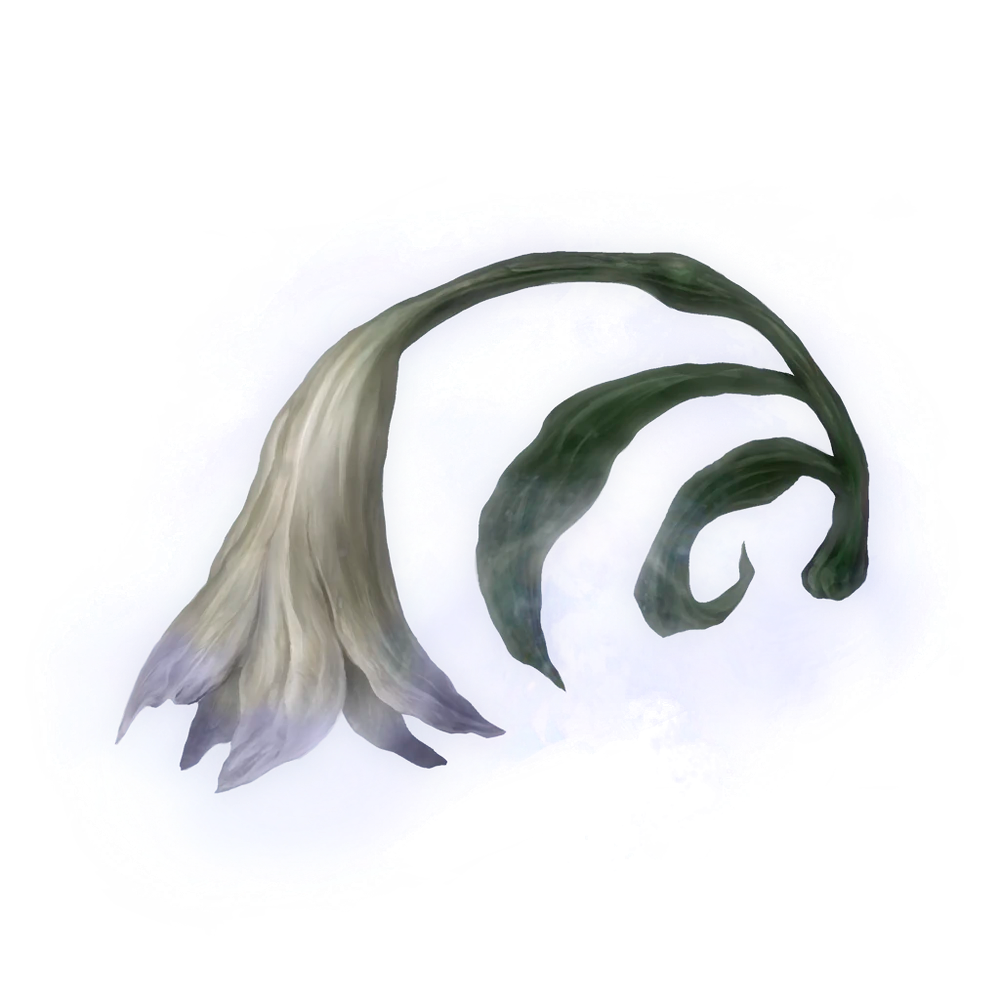
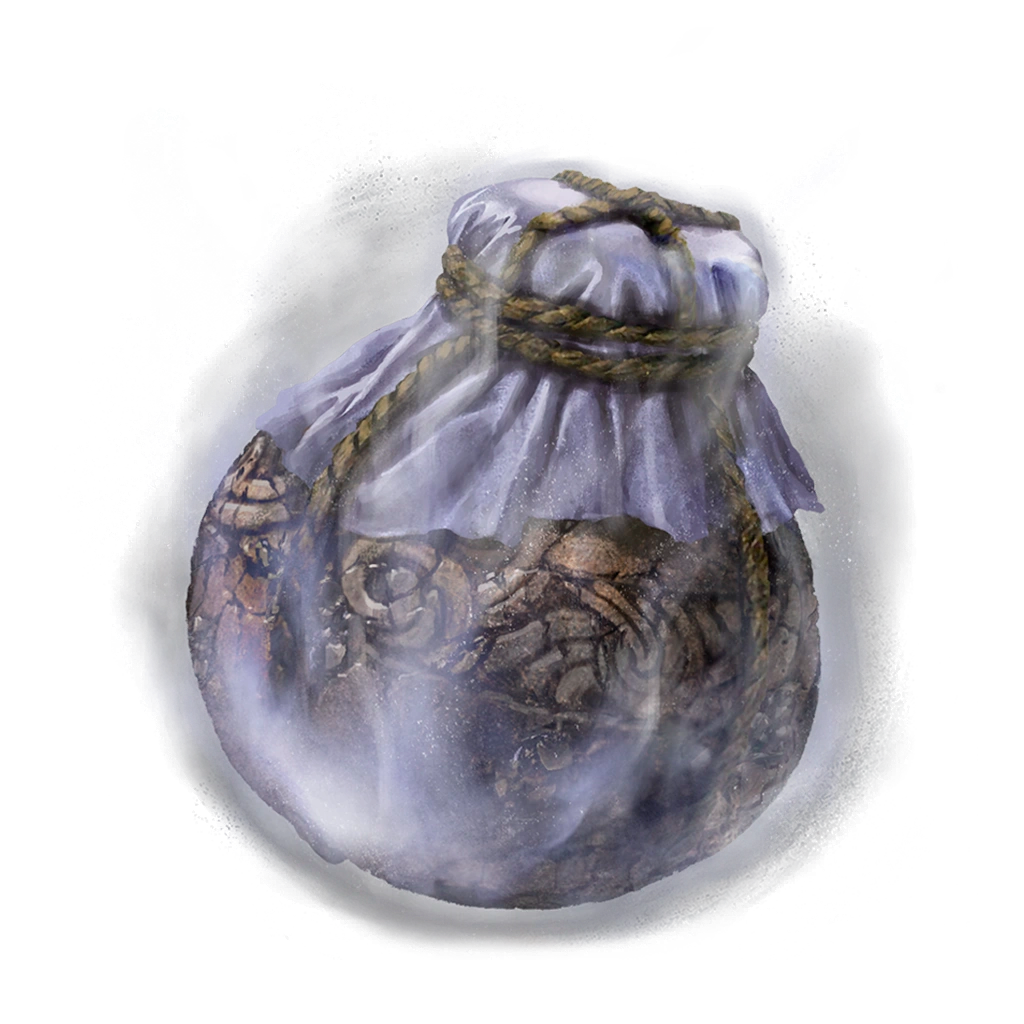
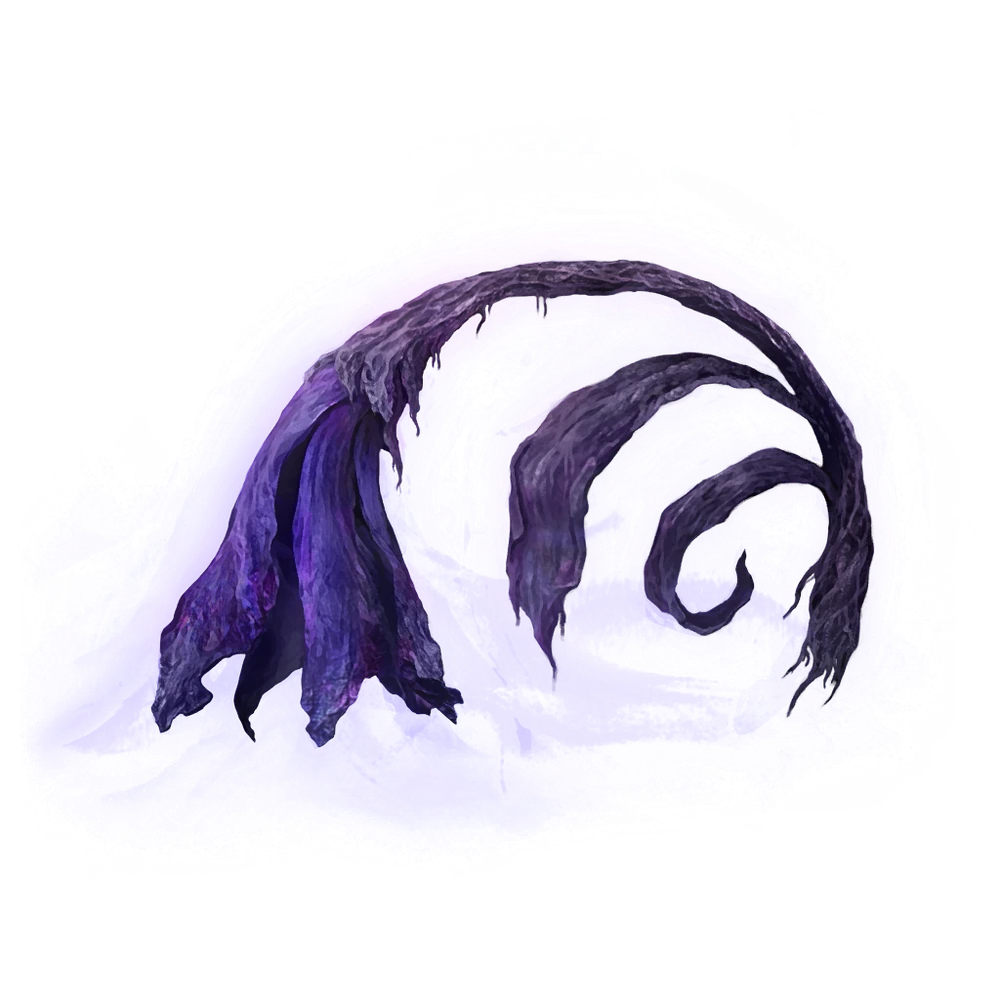
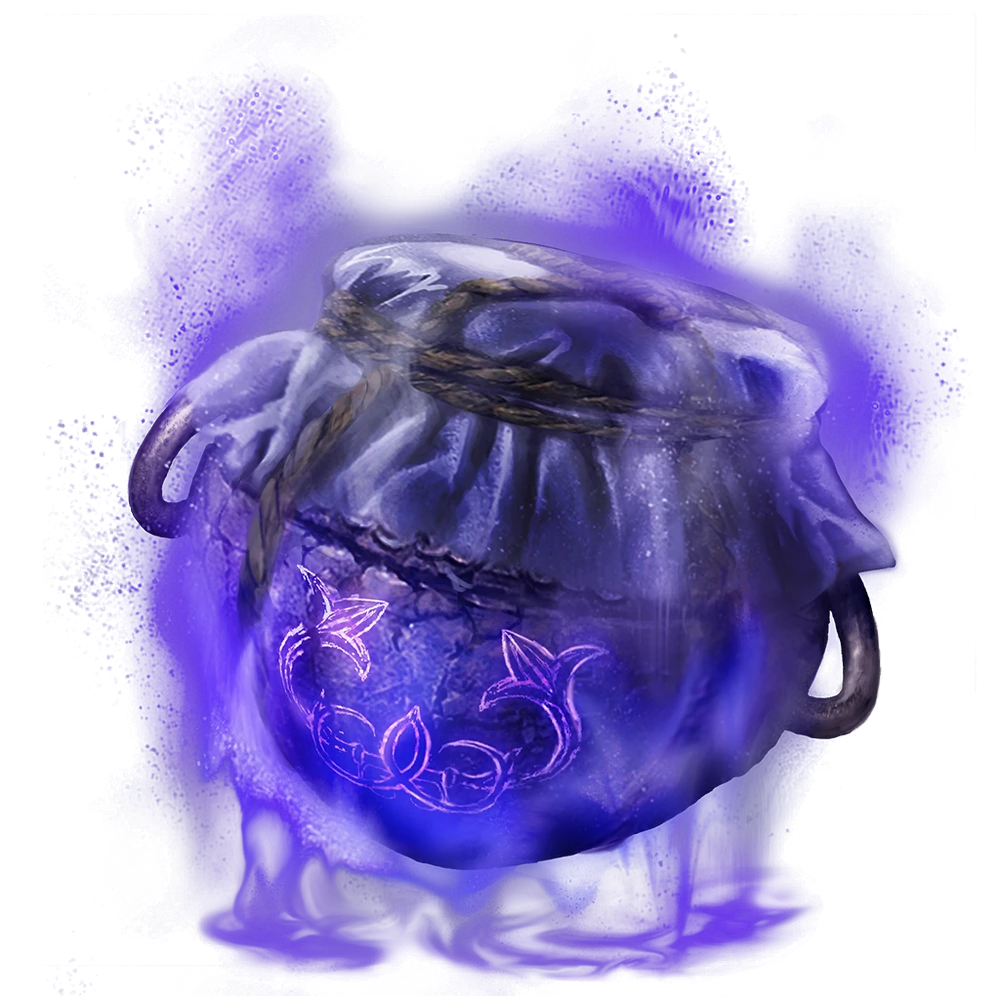
once you notice the red/blue split in elden ring, you will begin to see it and purple everywhere. the tibia mariners are purple. gloam is almost certainly purple. the beast eye that detects deathroot is purple. gravity, a primary factor in the death of a star, is purple. there’s a lot of secret purple if you look around. and now maris, who is aquatic and tied to The Night, will try to smother you in a velvety, purple sleep.
a crazy theory
before we get back on track, i have an insane idea i want to put forth that’s related to the topics we just covered, including maris.
the finger ruins appear to be where influential stars of elden ring crash landed. metyr is found in the finger ruins of miyr beneath the cathedral that shares her name. near marika’s village of origin in the hinterlands, the finger ruins of dheo glimmers with gold particles; one must assume this is where the elden beast landed.
but then there is one more finger ruin, the ruins of rhea, which sparkles with blue particles on the cerulean coast in opposition to the gold of the elden beast.
whose particles are these? who landed here?
libra, creature of night
 |
|

obsessed with equality, libra invented a sort of fool’s gold (as opposed to the true gold of the titular elden ring) via alchemy that induces madness. in reference to his interest in maintaining equilibrium, his staff is topped by a five fingered hand: two fingers to represent order and three fingers to represent chaos. in his everdark form, his fur and skin become bleached and his chest rips open, revealing that he has become the vessel (in the same manner as marika, radagon, and heolstor) of something represented by a chain of glowing eyes. whatever this guy was up to, it couldn’t have been good. libra is only associated with the night because he was entranced by the impartiality of the night’s wave of destruction.
a familiar whorl shape can be seen on his back.
fulghor, champion of nightglow
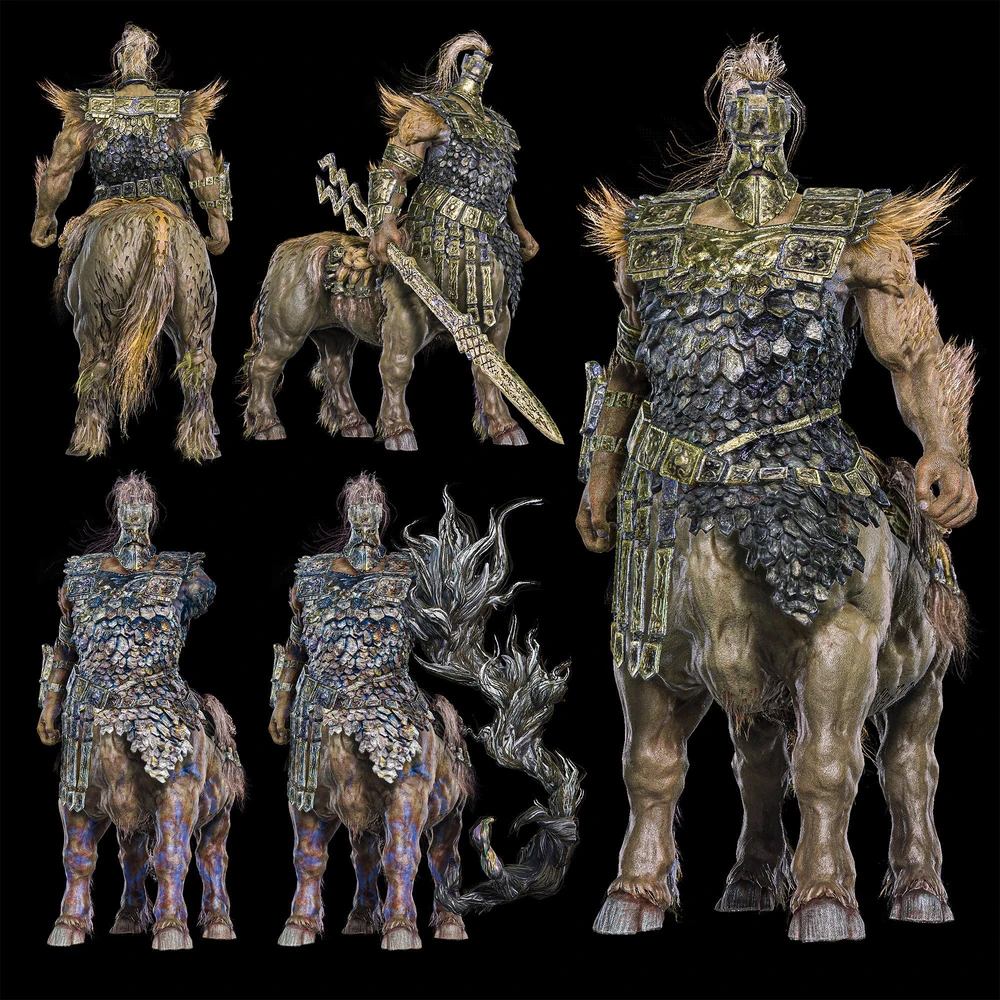
this is…more difficult. fulghor is a centaur (previously seen only in the dlc as an aspect of the crucible) who goes from having no left arm (as it was severed by his former comrades when they conspired to forsake the gods they served), to wielding a wildly out of control left arm that splatters night goo everywhere, to becoming bathed in a golden glow resulting in the recovery of his lost limb. because of his fervent love of the gods, his form of night is unique and sacred, causing holy damage; hence “nightglow”. our only clue regarding the gods he served is that they “conceal[ed] themselves in the roar of thunder” which would point to either godwyn or something relating to the ancient dragons (as placidusax has attacks that fit the description quite well). or someone totally new and unheard of. who knows.
additionally, he can jump on the air in the same manner as other spirit steeds such as torrent or the ancestor spirit and to further confuse things, his bow has a strong, but not exact, resemblance to miquella’s cross.
|
|
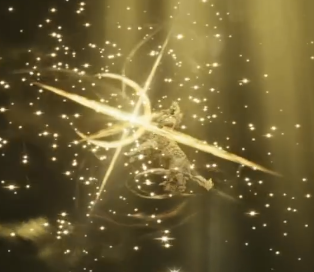
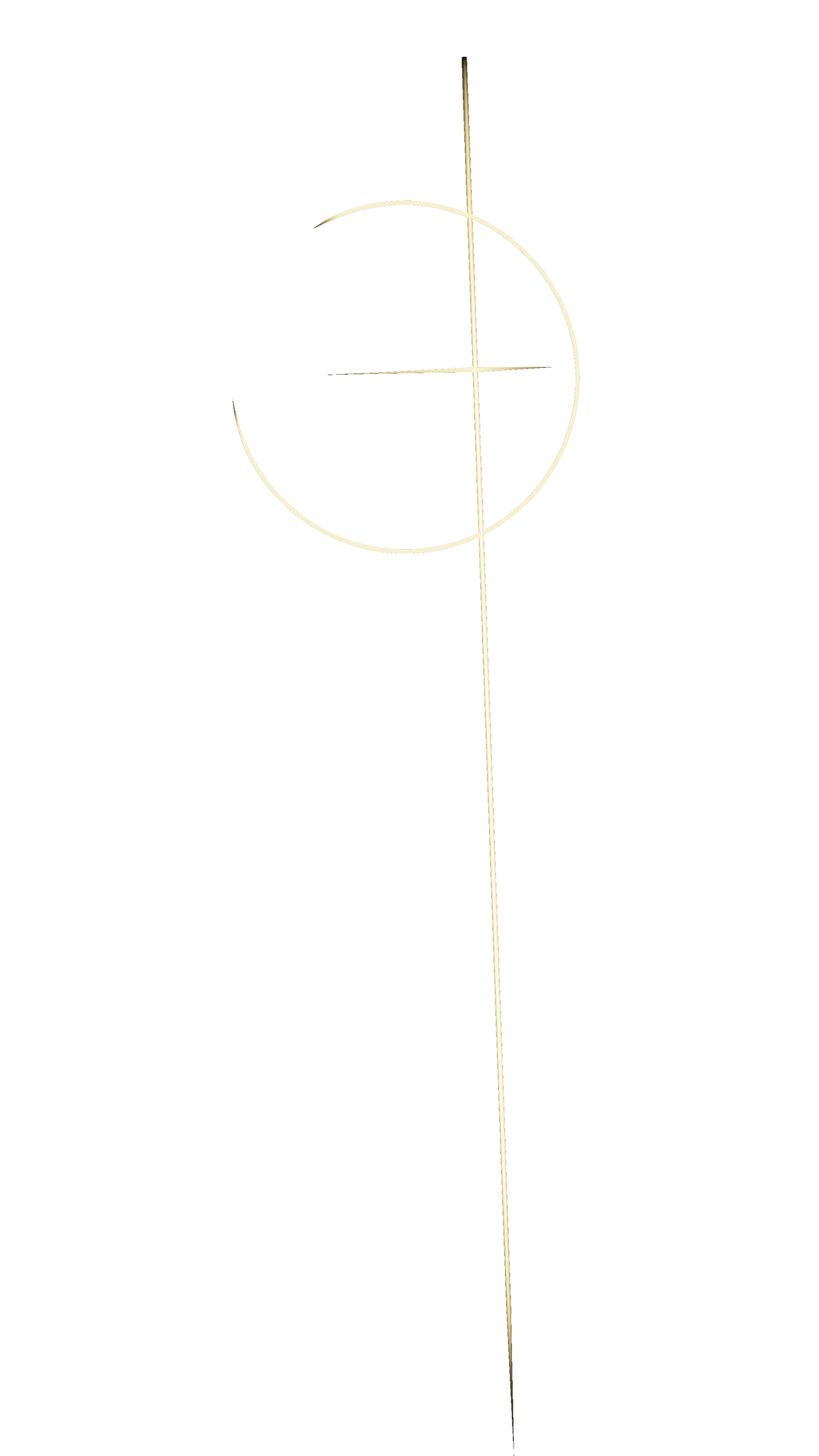
ultimately, fulghor’s narrative and thematic purpose is to act as a representative of some of fromsoft’s favorite boss design principles: he’s a guy with a big fucked up left arm and he’s a former hero becoming corrupted by a dark goo. his status when it comes to his relationship to the night is “outsider getting dragged in against his wishes as a product of despair”.
caligo, miasma of night

originally intended to be in elden ring (likely in place of borealis), caligo instead made her debut in nightreign as the first good dragon boss ever made by fromsoft. caligo, much like maris, simply found the night intriguing and got involved out of an interest to document a significant historical event. the last of her kind, ice dragons were wiped out by the fire giants long ago.
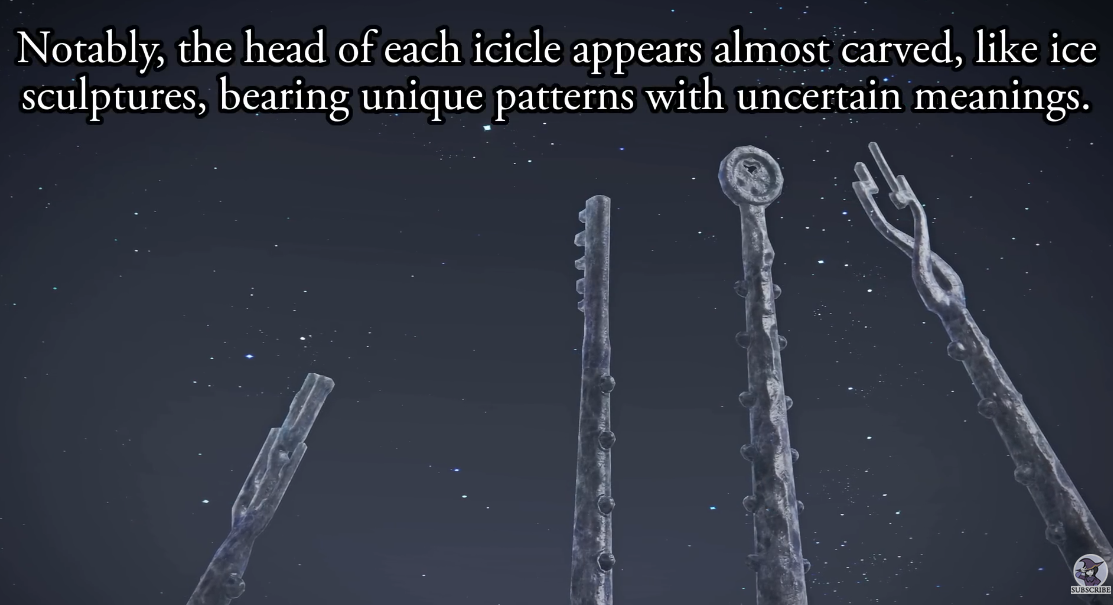
i don’t have much to say about caligo. her most unusual trait is what happens to the tips of her wings in her everdark form. to my knowledge, no one has figured out what these are supposed to be or what they represent.
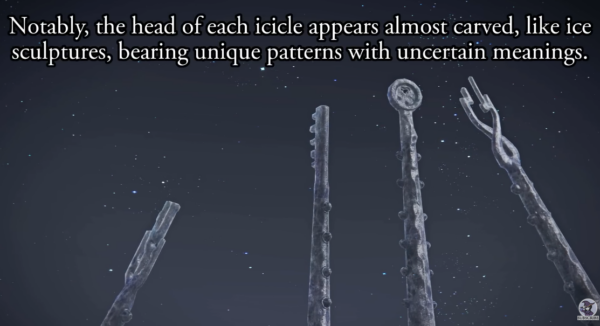 caligo’s bizarre, carved icicles. (source)
traitorous straghess
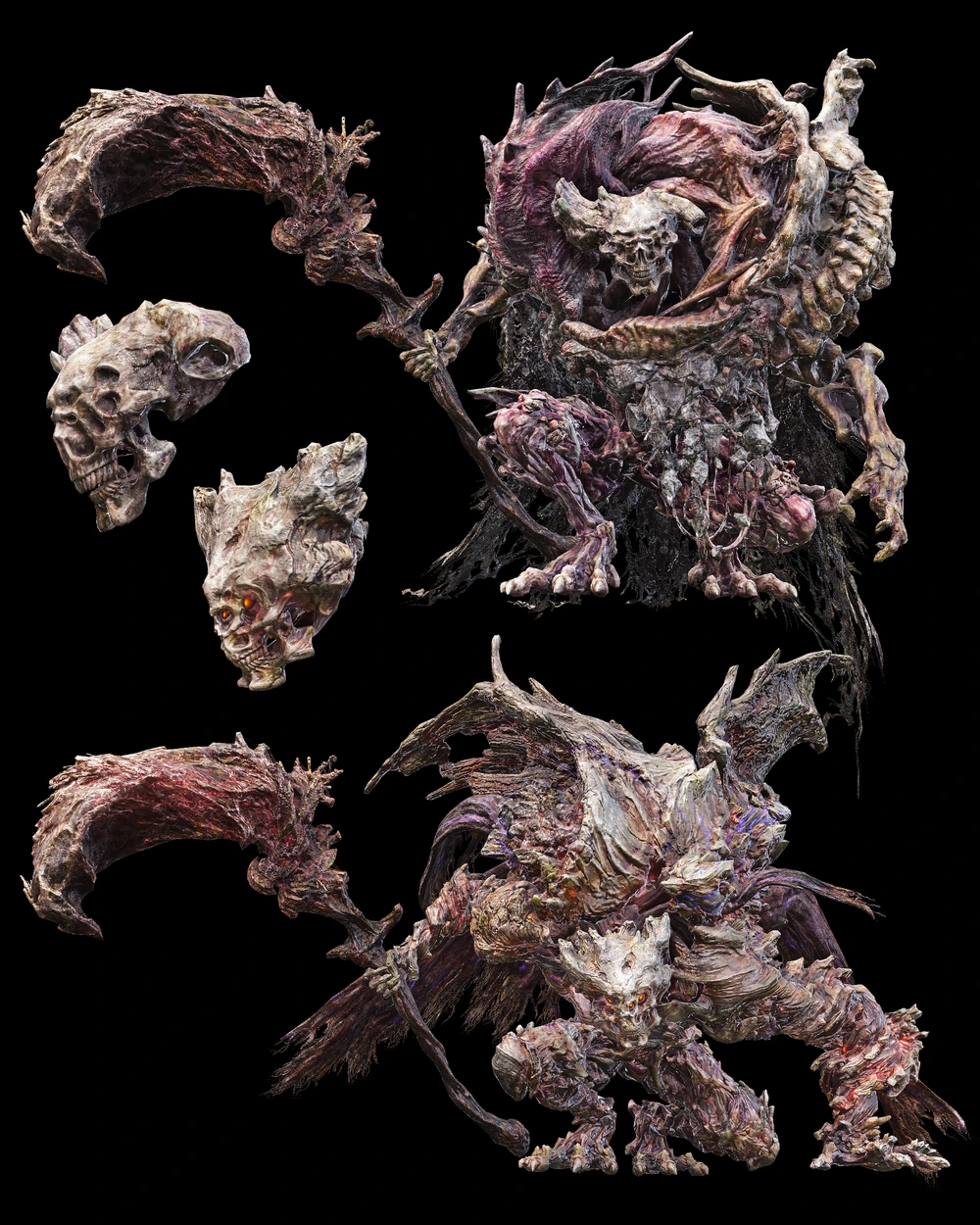
a collection of discarded corpses brought back to life due to a shared loathing of the night and a desire for vengeance, traitorous straghess opposes The Night’s encroachment. however, as it has no obvious weaknesses and does not resemble any form of life that exists, it poses a new ecological and existential threat to what remains of The Lands Between. when straghess is defeated, the player receives a “CALAMITY OVERCOME” message instead of “NIGHTLORD FELLED”.
after phase 2, straghess starts crawling around on all fours and gains the title “pure impulse straghess”. not much to say about this fella. he’s another classic fromsoft boss design: a bunch of garbage that got together and decided to kill everything. straghess is only unlocked after you defeat weapon-bequeathed harmonia, as they were the force keeping him at bay.
weapon-bequeathed harmonia
|
|
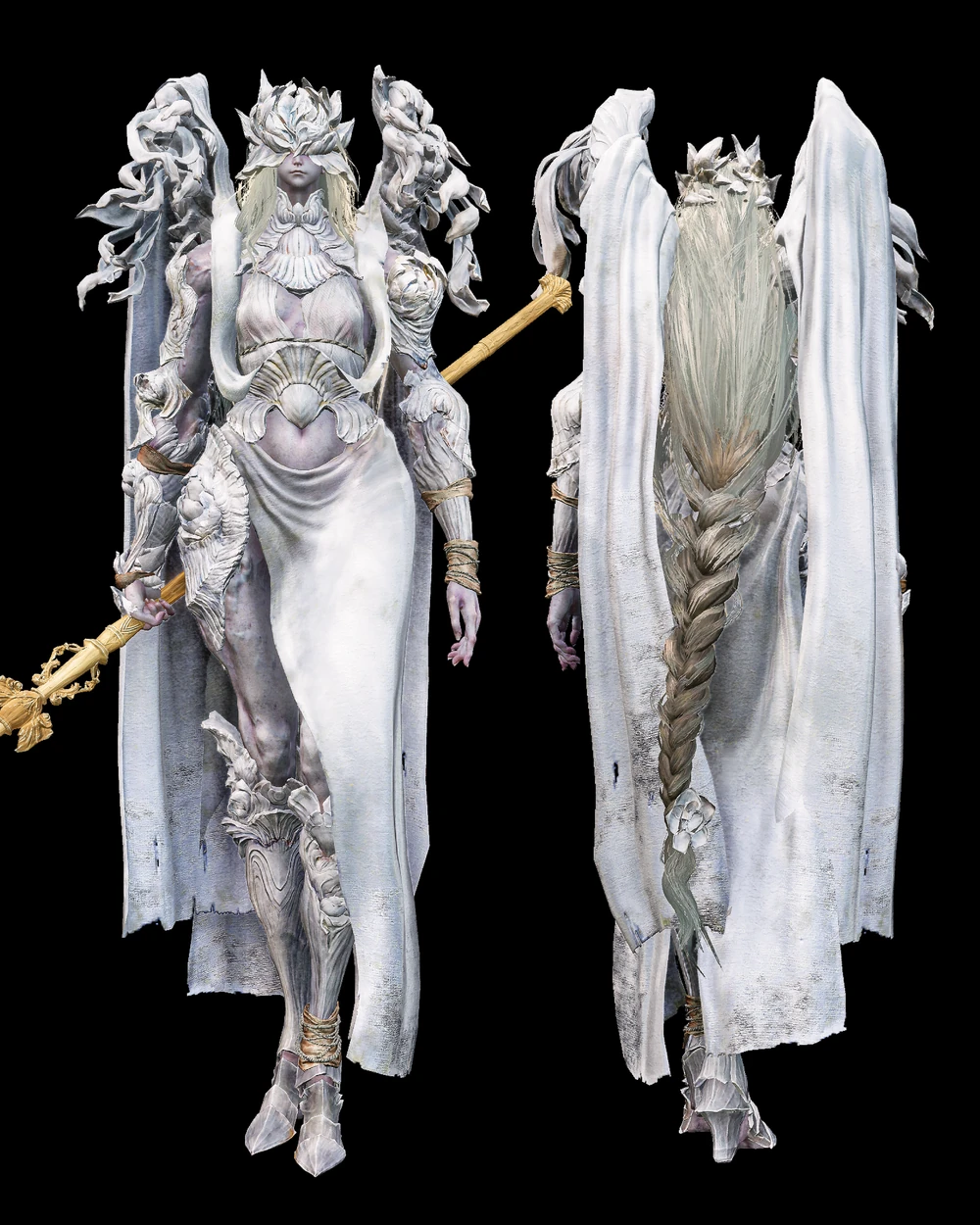
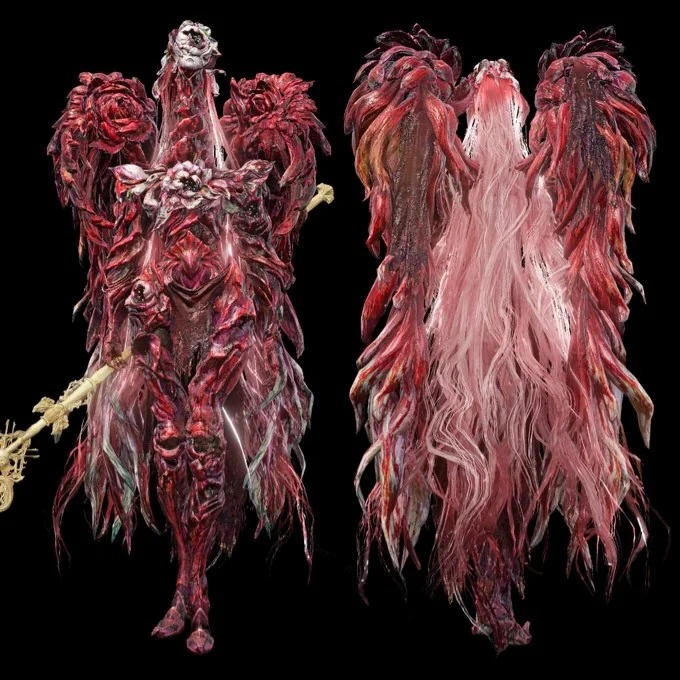
this one’s nuts.
when you defeat harmonia (which is not one enemy, but a gaggle of white-winged women with golden weapons20), you get a “BALANCE DISRUPTED” message. rather than receiving a “night” from them, you receive “an inhuman will“:
A tiny farming village was besieged by bandits, who proceeded to ravage both its plots and people.
A young village girl, seeking help, dashed into the forest, where she prayed to the statue of a protective deity that held a weapon raised overhead.
By the end the village was steeped in red and settled in silence. The village girl, drenched in blood, stood with a vacant stare and a heroic weapon in her grip.
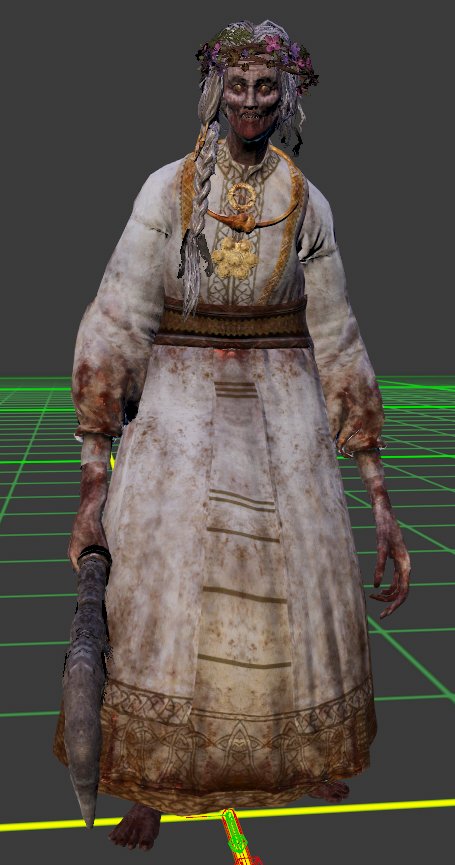
we don’t know what the deity is, but that’s the least intriguing part of harmonia’s story. upon closer inspection, their bodies are cut, bruised, pale, and bloodless. when they “die”, the weapon they hold (which actively shimmers strangely compared to other golden weapons) drags their body back onto their feet. these women are likely dead (or something close to it), animated by the will of the weapons they clutch. their white hair is collected into a long braid and beneath their mask is a face that strongly, uncannily, resembles the sleeping visage of saint trina.
|
|
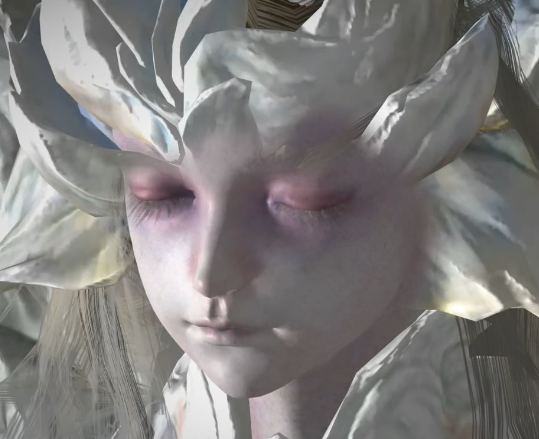
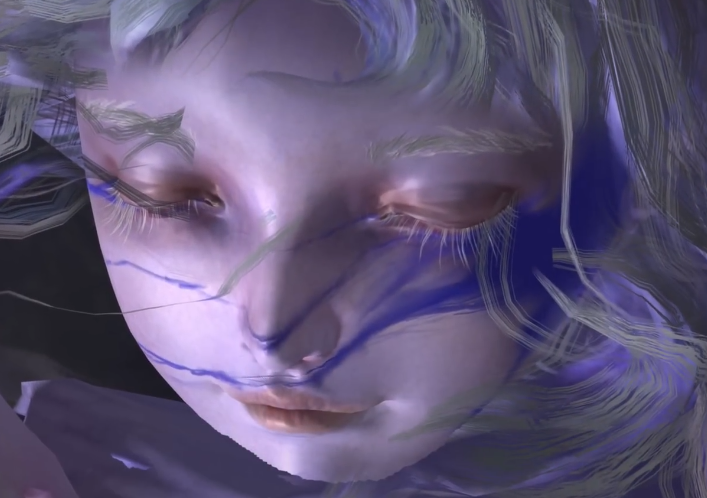
in elden ring, sleep is so close to death it basically counts as dead. despite being a saint of sleep, trina’s nectar kills any tarnished who dares to imbibe it. the winged scythe was an outlier in elden ring; until this game it did not appear to fit into the lore or narrative literally at all. but now, the item description makes sense:
Sacred scythe resembling a pair of white wings. Deals holy damage.
According to pagan belief, white-winged maidens are said to be Death’s gentle21 envoys.
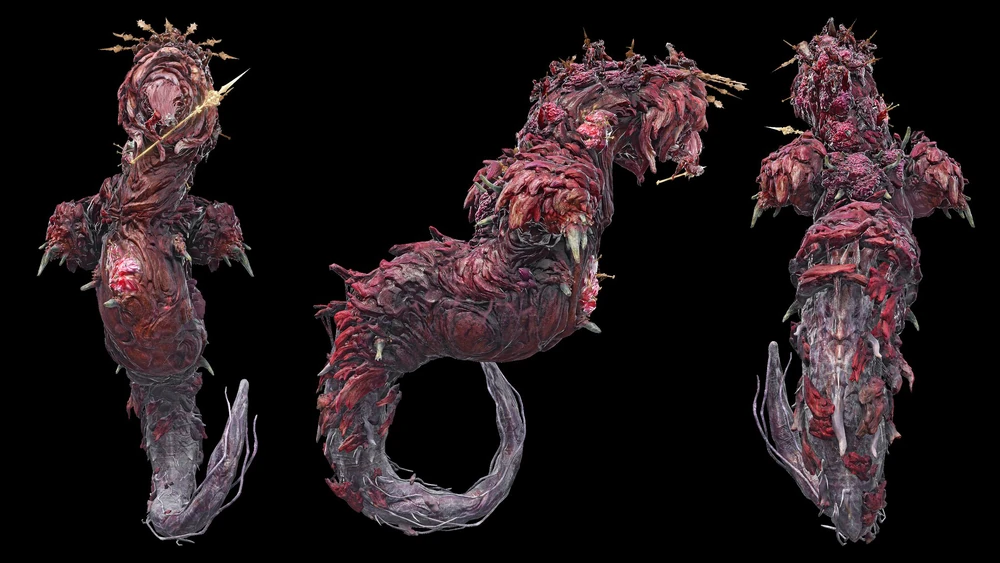
everdark harmonia swaps the white lily motif for red roses. harmonia appears to now be under the influence of the formless mother, an outer god of blood. like many of the mother’s worshipers, they have become twisted and malformed. in this case, the women have become seedbeds for blooming flowers of unknown origin or purpose. they combine their bodies to create the wretched “beast of salvation”, a gigantic creature that vaguely resembles a seahorse.
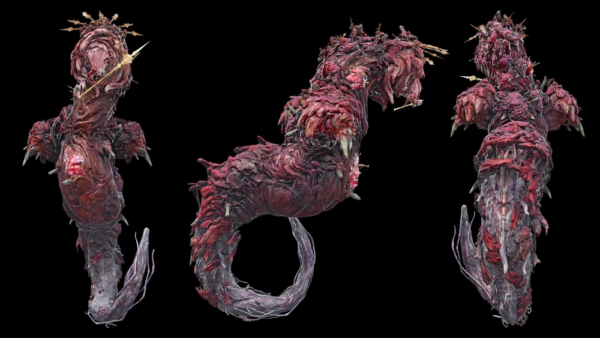 the “beast of salvation” in all its glory.
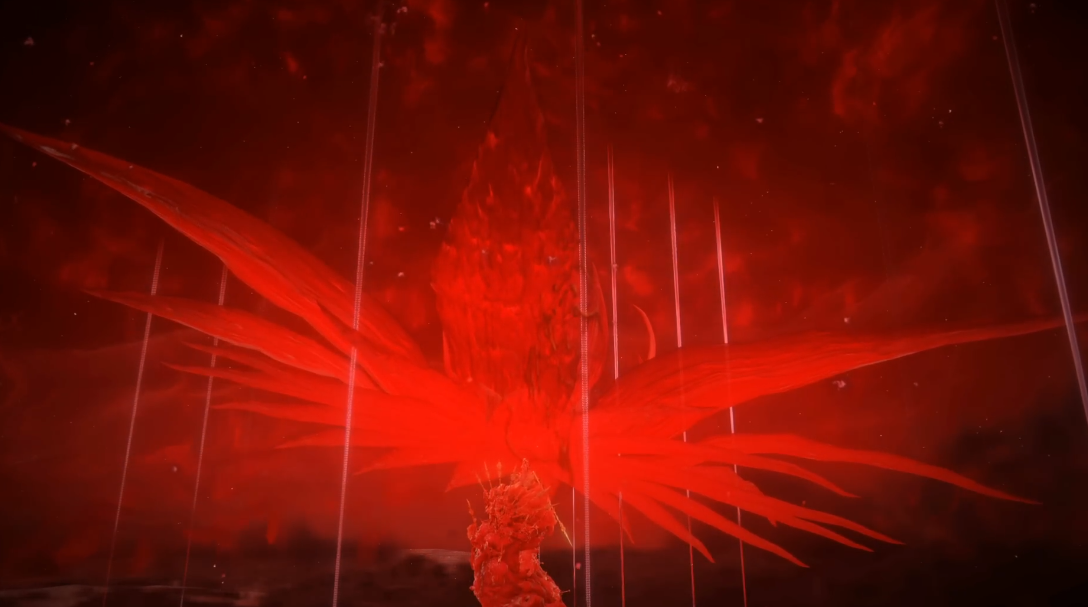
the appearance of the beast culminates in the blossoming of an enormous grotesque flower, similar to malenia’s scarlet aeonia, but inflicting massive blood loss instead of rot.
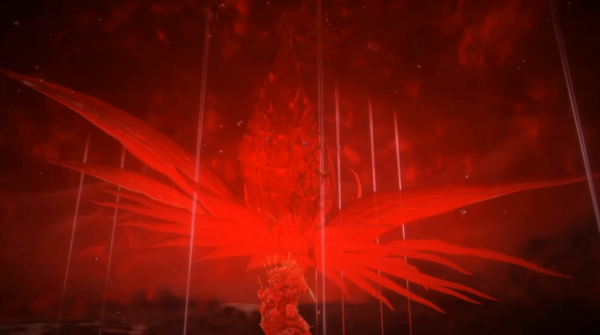 the blossoming flower. (source)
one last thing
this didn’t fit in cleanly anywhere else, but what got me started on this whole kick was learning that the albinaurics, artificial lifeforms whose creation stemmed from nox experimentation (and whose name, “white gold” references their silver heritage), have dialog they murmur that’s almost impossible to hear in game.
Oh, stars. Oh, night. Oh…fate. Punish them all. Punish the world, entire. We speak to those who forsake us to this world that shuns our kind. Punish every living thing…
wish granted! apparently!
in conclusion:
nightreign provides some intriguing context and flavor to elden ring. nightreign is not required to enjoy and analyze the story of elden ring, but as supplemental material, i think it plays with some interesting ideas and builds off of the material left deliberately open in the base game without sacrificing the delicious ambiguity we’ve come to know and love about the series. you know. its just neat. not hugely consequential. but fascinating enough that i was driven to write 12k words about it. i hope you enjoyed this.
if you liked reading this, consider a small donation to my ko-fi so i can get a sandwich. thanks!
1. they gave the nameless king a name. lol. completely unnecessary. for those not “in the know”: this is a character that loomed large over the series and whose identity was deliberately removed from history within the world of dark souls. its a funny thing to do for no reason 14 years after he was first mentioned in a completely different game.
2. by dark souls 2 its made abundantly clear that the world is in a state of inert rot as a result of refusing to let the age of gods die. bloodborne revolves around blood (lol) that grants the recipient eternal life and good health, at the cost of transforming into hideous, mindless, bloodthirsty (lol) beasts. sekiro features a type of immortality that causes the world to grow spiritually and literally sick from “stagnation”. and so on and so forth. once is a plot. multiple times is a theme.
3. a sort of wonky translation here. “shaman” in marika’s case is actually “miko” in japanese. once you understand that they’re a race of shrine maidens, the narrative importance of their ability to summon/pacify spirits (“spirit tuning”) and play host to gods is more contextualized. i’m not sure “shaman” conveys that idea successfully.
4. the giant stone ships from the dlc were, apparently, going to appear in the base game, but were cut.
5. the fingerslayer blade bears striking resemblance to the sacred relic sword, received as a potential reward for defeating the elden beast. the sword is made from the body of marika/radagon and has this item description: “Thoughts on what the weapon portends are many and varied. Some consider it the mark of a great sin, or a sign of a great devastation. Some think it as the end of an age, while others; the beginning.”
6. this phenomenon is not unheard of and the DLC introduced a talisman that suggests that the lands between had taken measures to keep their towns from slipping underground. from the “shattered stone talisman“: “Linchpin stones are spiritual anchors said to hold the ground in place and quell the fury of earthquakes—when this one shattered, the surrounding town fell into the broken earth.” in nightreign, the world is subject to “shifting earth” events, where a lost eternal city of the nox (!) will suddenly become accessible above ground.
7. rennala is the queen of the full moon. ranni is the princess of the “dark moon”. rennala’s twin sister rellana is represented by “twin moons”. if the sky is viewed from manus celes, you can see for yourself: there are two moons in elden ring.
8. im not debating this one. godwyn’s death was intentional, maybe even consensual, and the woman who once served as his nursemaid says as much. he was just supposed to come back and didn’t lol.
9. wraiths are also present in nightreign. these summoned spirits (of which there are a variety of different colors and origins) will chase down any targets once summoned. they are strongly associated with resentment and vengeance. as for whether this information is relevant to heolstor’s spirits, who can say?
10. “founding rain of stars” appears in nightreign as a special power up received from defeating bosses, cementing it as relatively important (if not convenient; its a pretty useful power up) to the lore.
11. “naturalborn” means “bastard”. elden ring lore writer george r.r. martin appears to use it frequently as a euphemism in his work.
12. it would be reasonable to assume this is a reference to the properties of a black hole.
13. this reflects ymir’s fall into darkness after the loss his son yuri, who he openly mourns in the graveyard connected to the cathedral.
14. as a reminder, the nox also live near exclusively underground.
15. limveld is the nightreign equivalent to limgrave, whose map gets twisted and altered with each new attempt at taking on a nightlord.
16. gladius is, in many ways, intended to evoke the memory of the boss “sif”, a sword wielding wolf with an absent master, from dark souls 1.
17. with the exception of the one nestled in sellen’s primal glintstone, where the soul is clearly visible.
18. see this spectacular zullie the with video for a deep dive (lol) on maris.
19. if you recall from the beginning of this document: the first life that slithered out of the stone coffins underground were clumps of purple, living goo. it would not be unreasonable to assume the claymen have some relation to this substance due to their unique body composition.
20. three spears, three halberds, one mace. if it matters.
21. the word used for “gentle” here in japanese is “優し”, used very, very, very often to refer to trina (sometimes miquella) specifically in item descriptions.


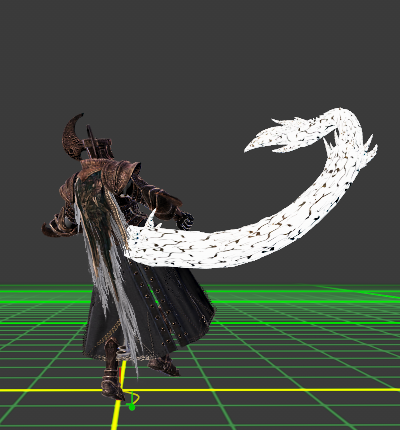
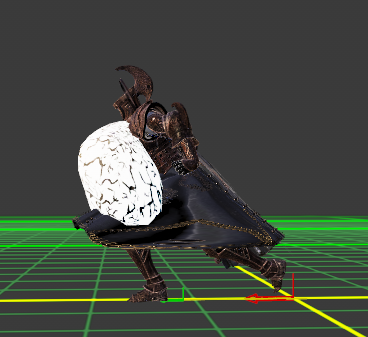
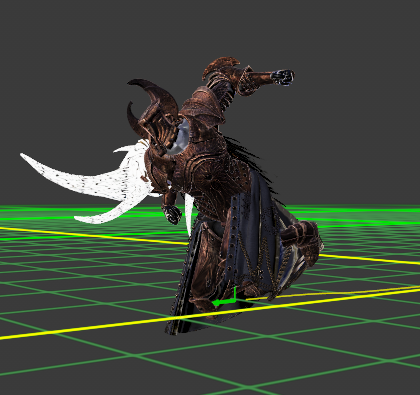
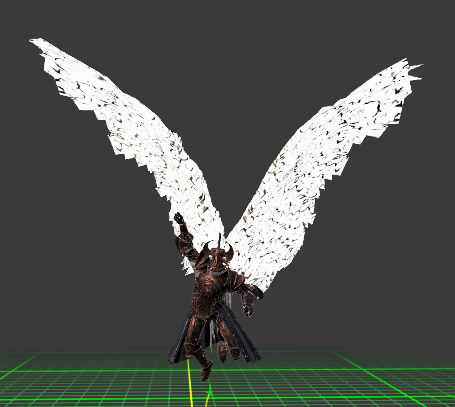
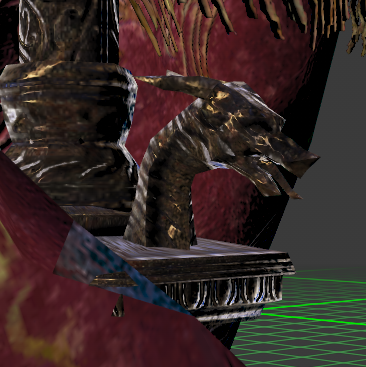
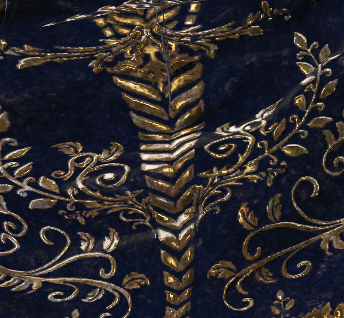
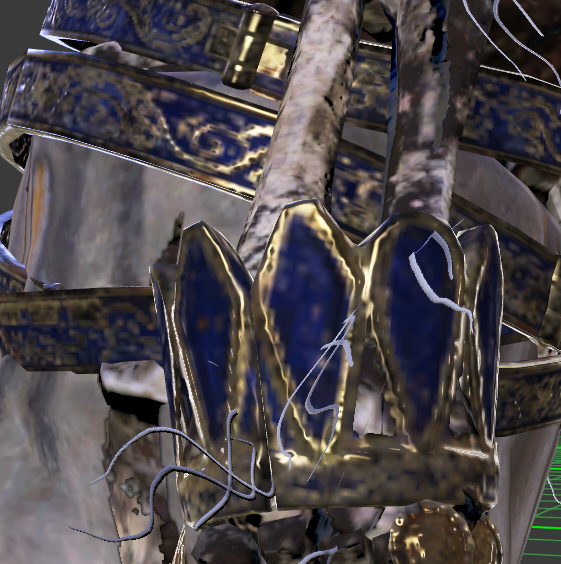
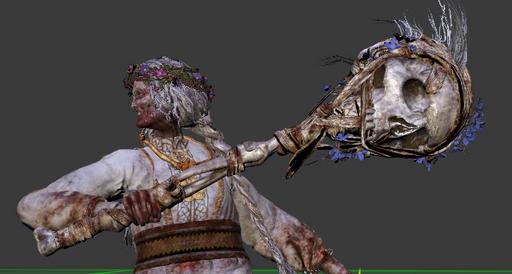
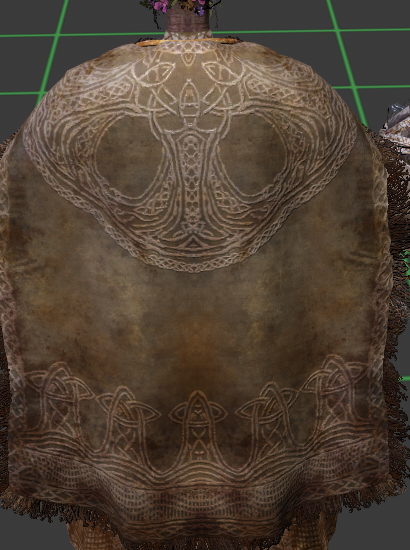
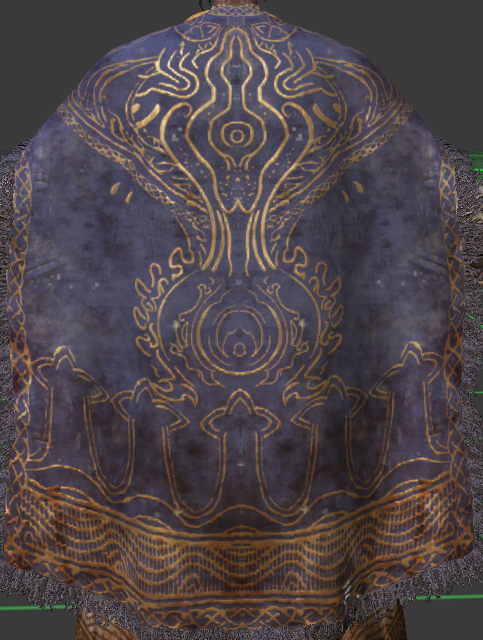
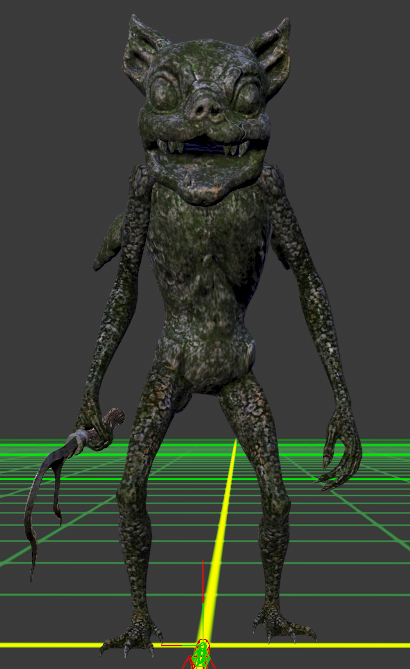
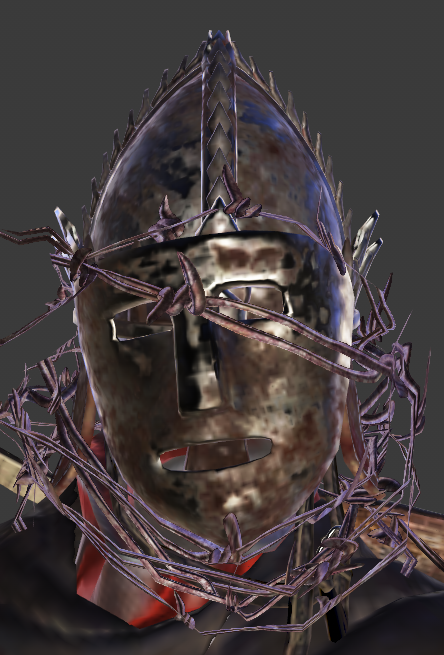
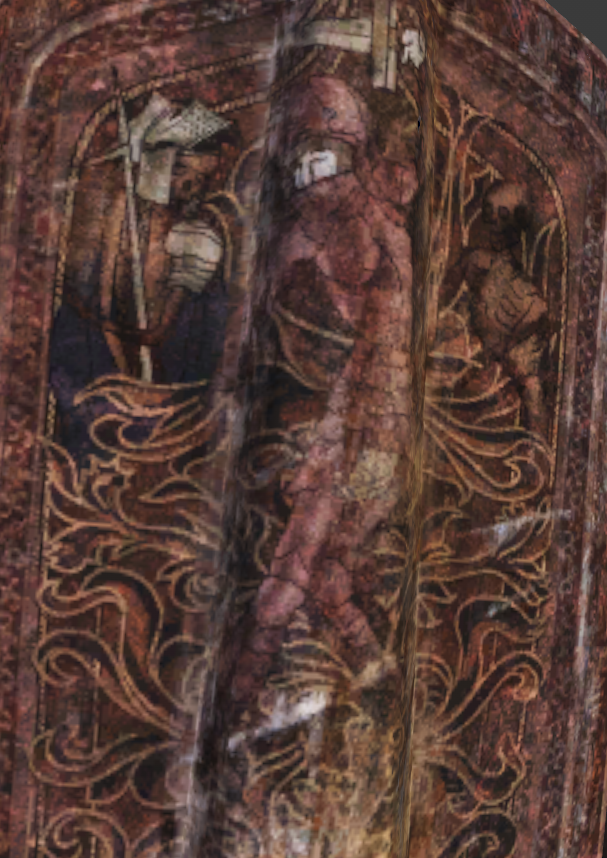
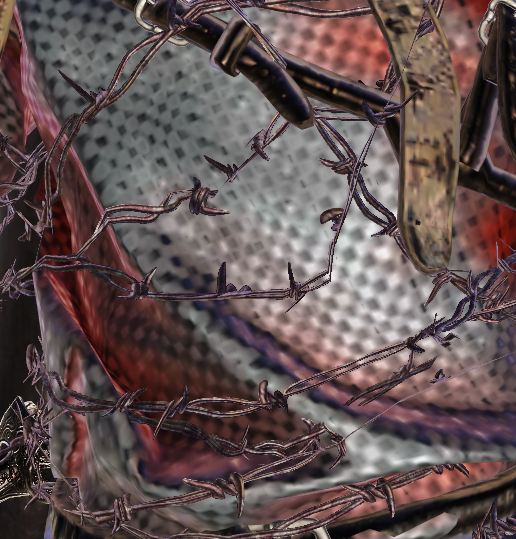
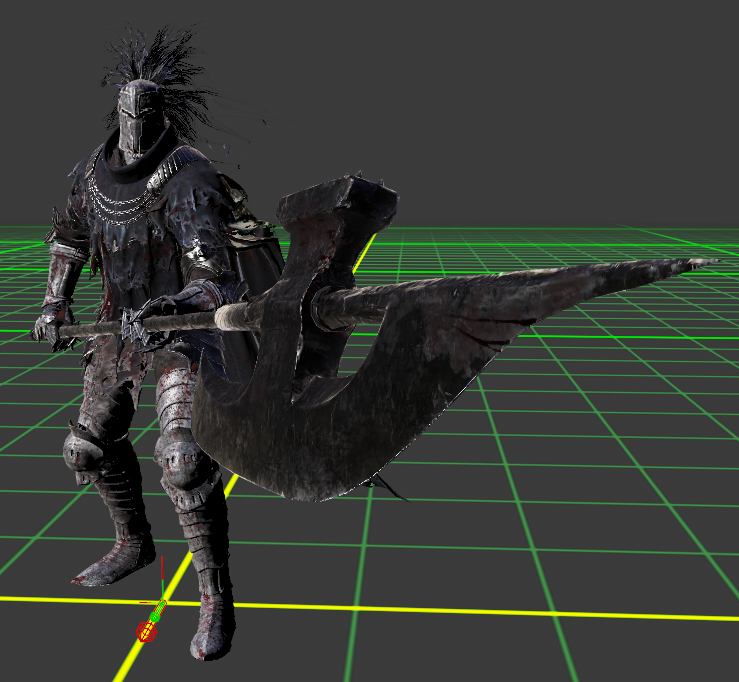
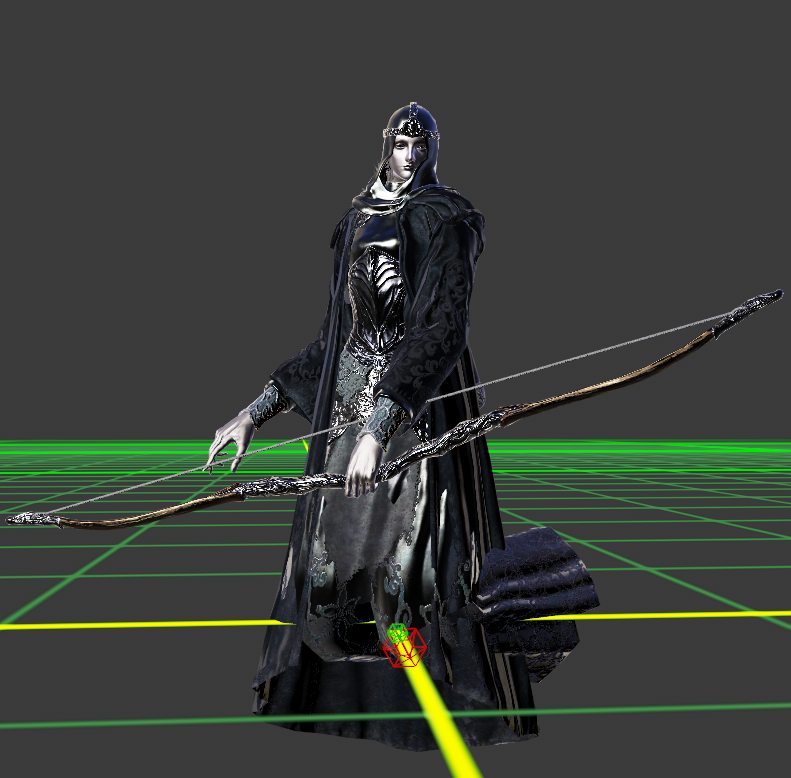
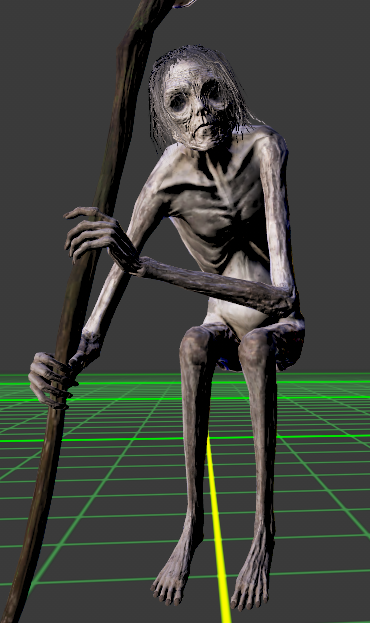
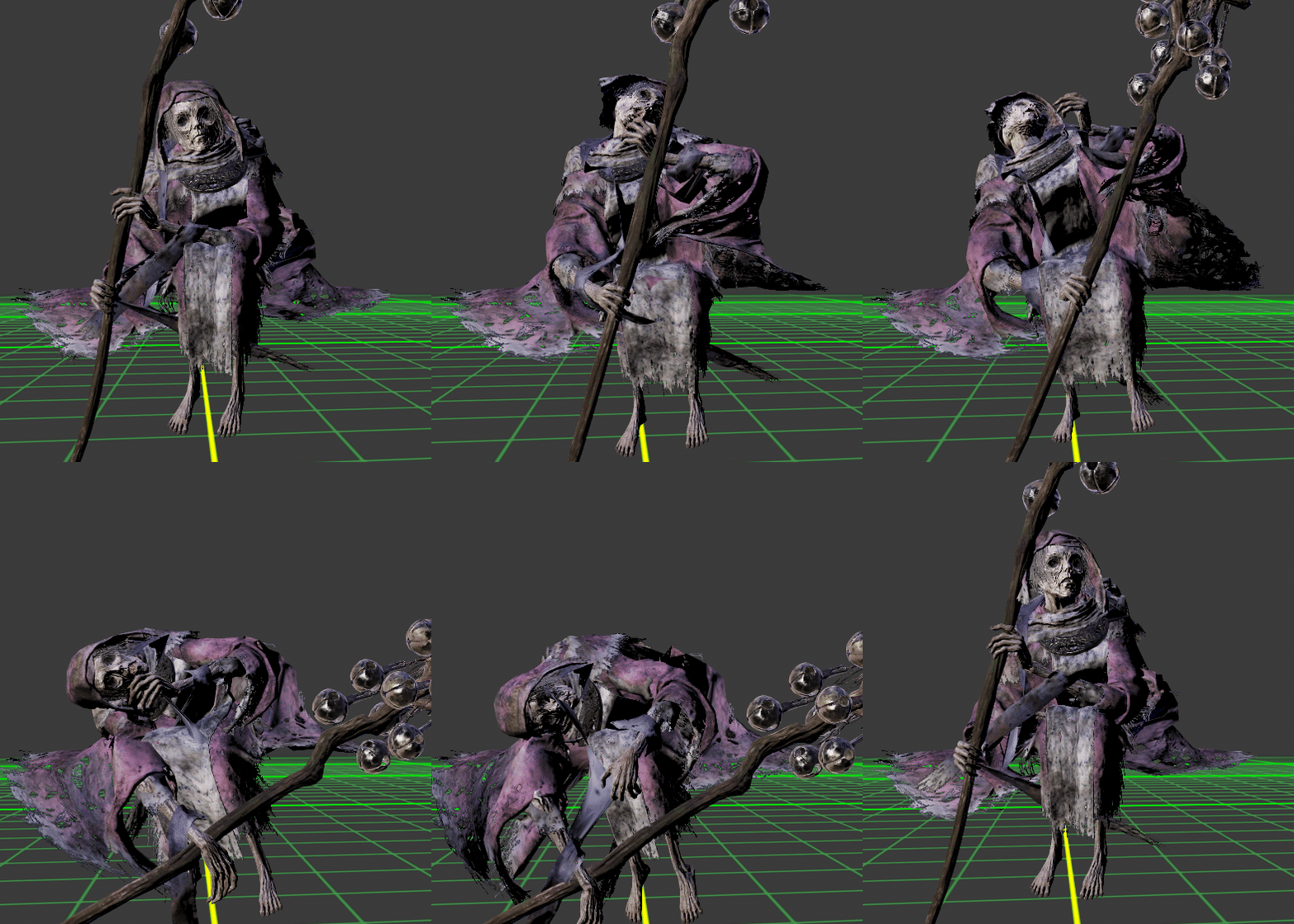
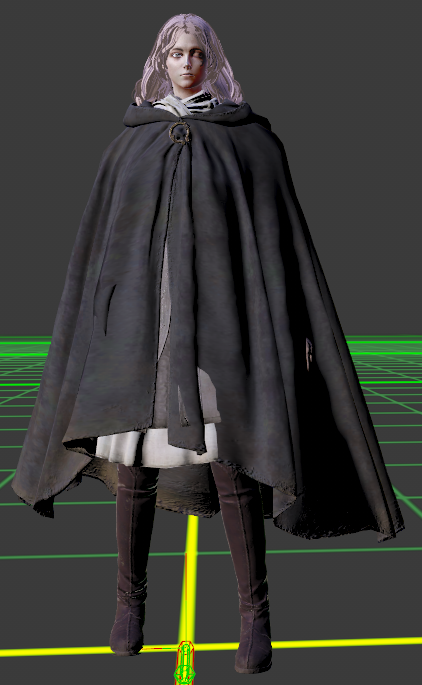
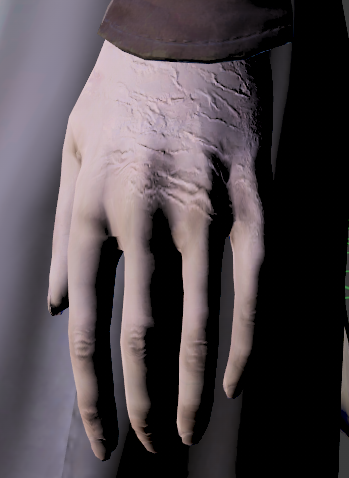
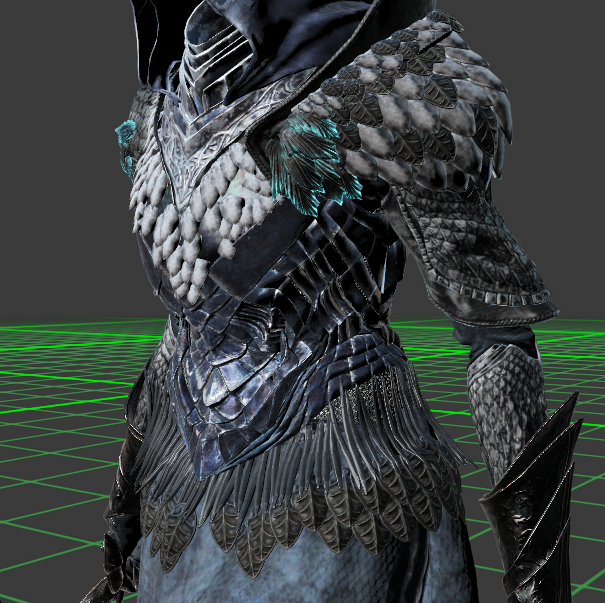
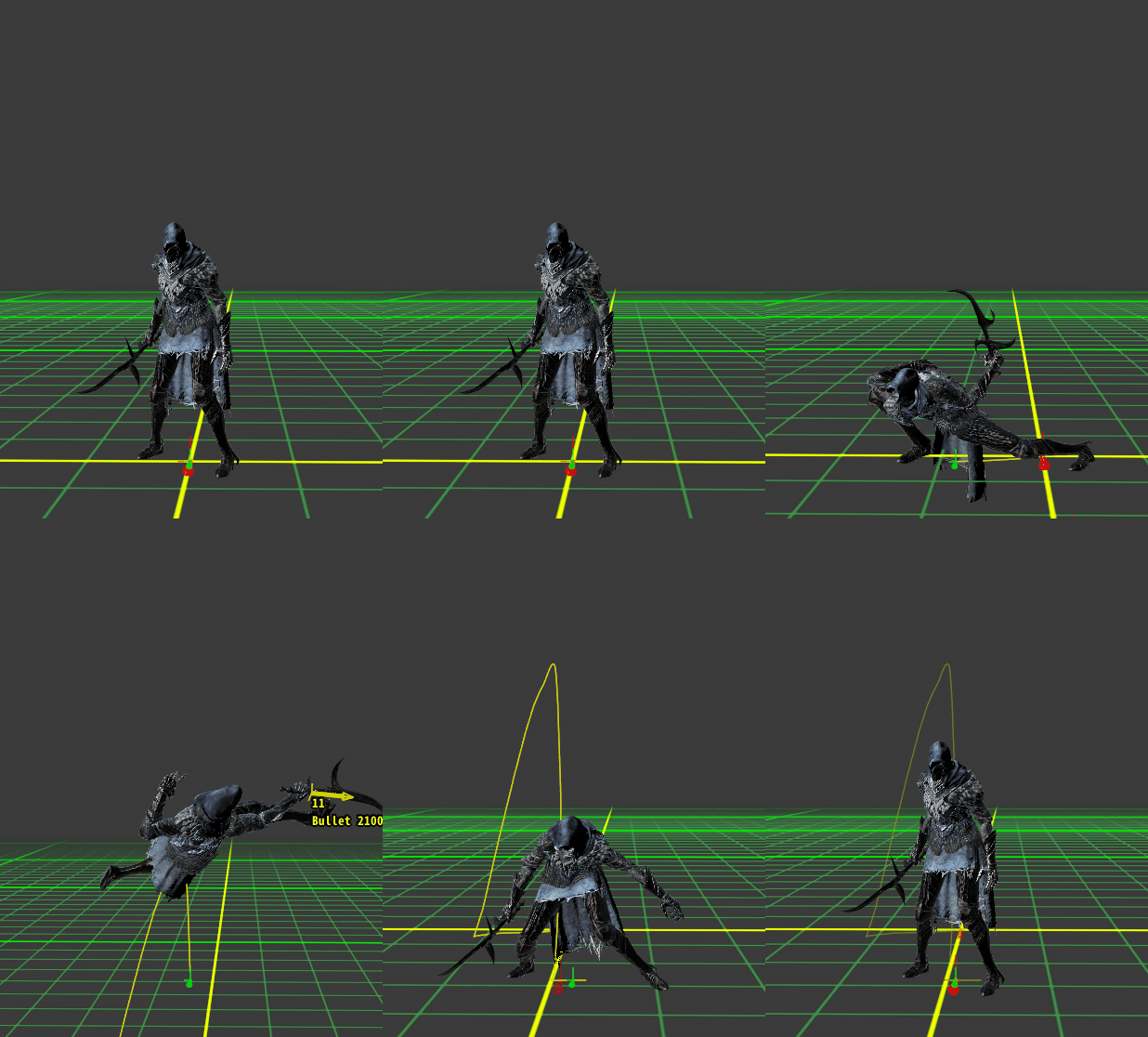
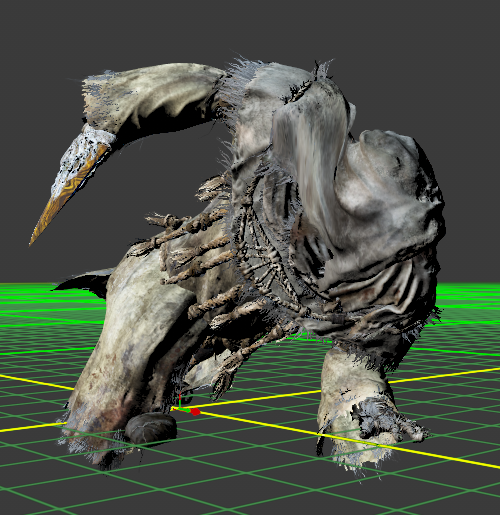
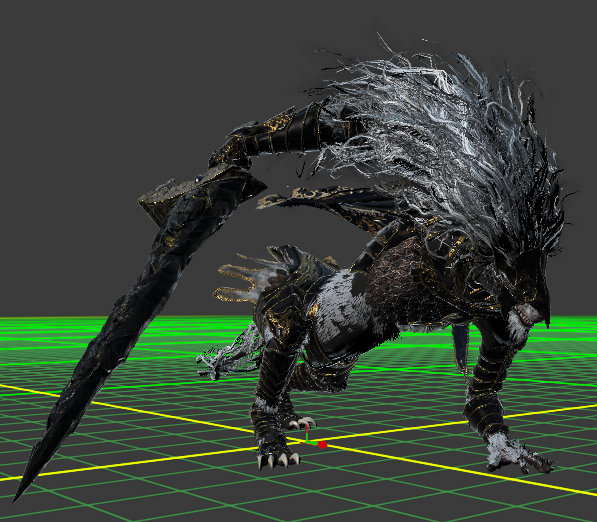


 scaled armor.
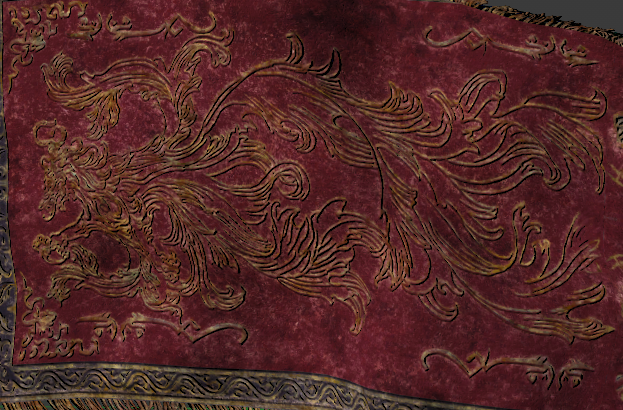
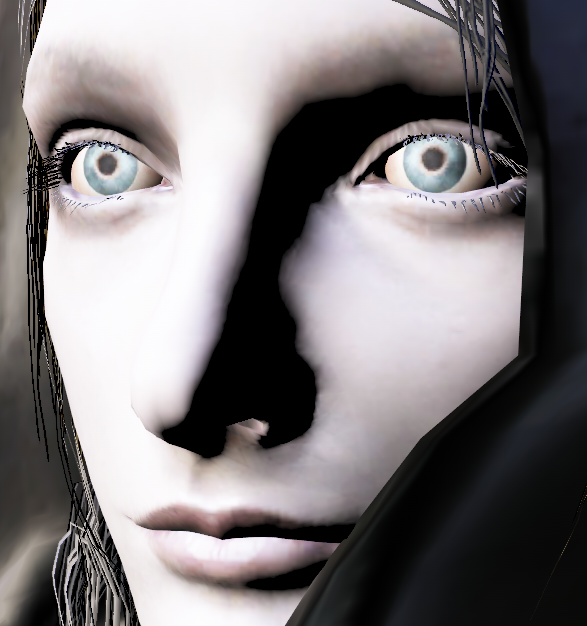
 perfumer robe.


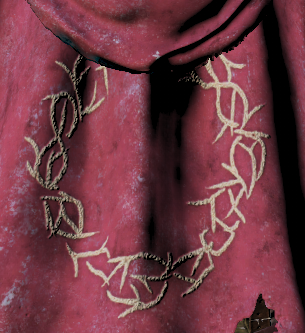
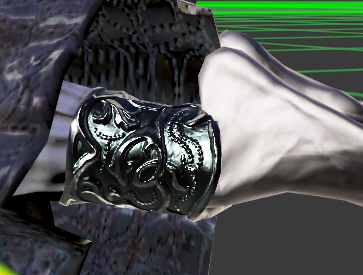
 lionel’s greaves.
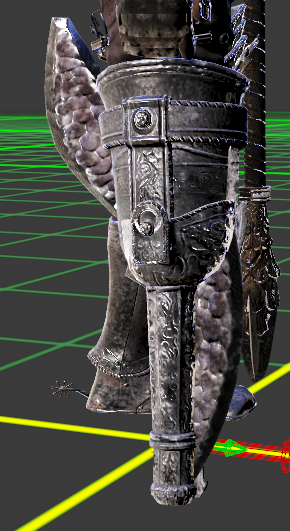
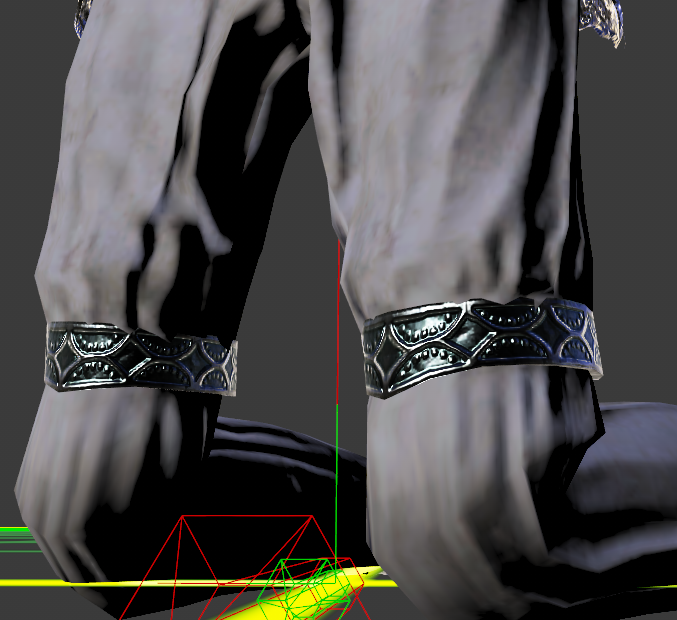
 leyndell greaves.


 scorpion’s stinger.